The Ultimate Betta Care Checklist for Happy and Healthy Fish
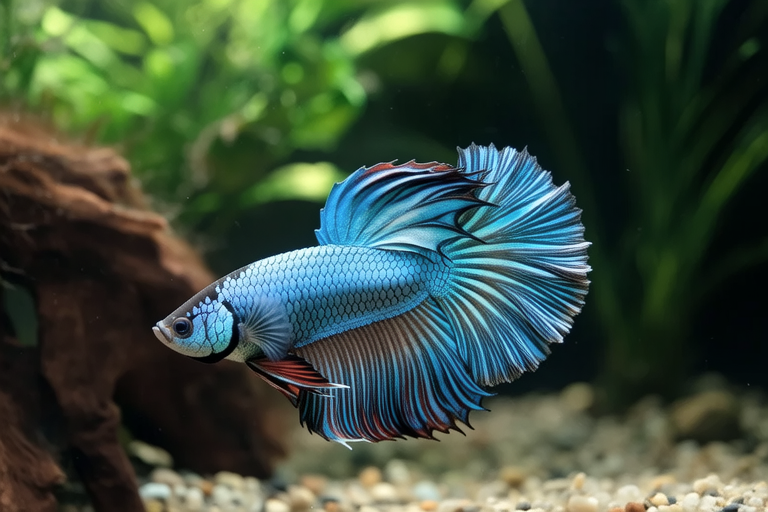
Betta fish, also known as Siamese fighting fish, are among the most popular choices for aquarium enthusiasts due to their vibrant colors and flowing fins. However, their beauty comes with specific care requirements that many novice fish keepers may overlook. Providing a proper environment and diet is crucial for the well-being of your betta. This guide offers a comprehensive checklist to ensure your betta lives a happy and healthy life.
Tank Setup
Setting up the right tank is essential for your betta’s comfort. Bettas thrive in environments that mimic their natural habitats, which are typically small, warm, and slow-moving waters.
- Tank Size: A minimum tank size of 5 gallons is recommended for a single betta. Larger tanks offer more space and better water quality.
- Tank Type: Opt for a glass or acrylic tank with a secure lid to prevent your betta from jumping out.
- Filter: While bettas are labyrinth fish and can breathe air directly from the surface, they still benefit from a gentle filter to maintain water quality. Choose a low-flow filter to avoid strong currents that could stress your betta.
- Heater: Bettas require a constant water temperature between 76°F and 82°F (24°C to 28°C). Use a reliable aquarium heater to maintain this temperature range.
Water Parameters
Maintaining optimal water conditions is vital for your betta’s health.
- Temperature: Keep the water temperature between 76°F and 82°F (24°C to 28°C) using a heater.
- pH: The ideal pH level for bettas is between 6.5 and 7.5. Regularly test the water to ensure it stays within this range.
- Hardness: Aim for water hardness between 5 and 19 dGH. Soft water can lead to health issues, while very hard water may cause stress.
Diet and Feeding Schedule
Bettas are carnivorous by nature and need a balanced diet rich in protein.
- Diet: Feed your betta a high-quality flake or pellet food designed for tropical fish. Supplement their diet with live or frozen foods like bloodworms, brine shrimp, and daphnia for variety.
- Feeding Schedule: Feed your betta two to three times daily, offering only what they can consume within two minutes. Overfeeding can lead to poor water quality and health problems.
Tank Mates Compatibility
Choosing appropriate tank mates for your betta is crucial to avoid aggression and stress.
- Companions: Consider peaceful, non-aggressive fish species that share similar water conditions. Good companions include neon tetras, harlequin rasboras, and cherry barbs.
- Avoid Aggressive Species: Avoid keeping bettas with aggressive or fin-nipping fish, such as tiger barbs or certain cichlids.
- Solo Living: Male bettas are highly territorial and should not be housed with other males. Female bettas can be kept together in groups, provided they have enough space and hiding spots.
Regular Maintenance
Proper maintenance ensures a clean and healthy environment for your betta.
- Water Changes: Perform partial water changes of about 20% weekly to remove toxins and maintain water quality. Ensure the replacement water matches the tank’s temperature and chemistry.
- Cleaning: Clean the tank and its accessories regularly but avoid using harsh chemicals. Rinse decorations and gravel gently to prevent disturbing the beneficial bacteria.
Disease Prevention
Prevention is key to maintaining your betta’s health.
- Quarantine New Fish: Always quarantine new fish before introducing them to the main tank to prevent the spread of diseases.
- Monitor Water Quality: Regularly test water parameters and perform water changes to maintain optimal conditions.
- Healthy Diet: Provide a balanced diet to boost your betta’s immune system.
Signs of a Healthy Betta
Understanding the signs of a healthy betta helps you monitor its well-being.
- Active Swimming: A healthy betta swims actively throughout the tank, exploring and interacting with its surroundings.
- Good Appetite: Your betta should show interest in food and eat regularly without difficulty.
- Vibrant Colors: Bright, vibrant colors indicate good health. Pale or dull colors may suggest illness or stress.
- Fresh Fins: Healthy fins are smooth and free from tears or discoloration.
Tips for Enriching the Environment
Creating an enriching environment enhances your betta’s happiness and longevity.
- Decorations: Add plants, caves, and driftwood to create hiding spots and stimulate exploration. Live plants not only enhance aesthetics but also improve water quality.
- Lighting: Provide 8 to 12 hours of light per day to mimic natural daylight cycles. Avoid overly bright lights that could stress your betta.
- Interactive Toys: Introduce floating toys or interactive objects to encourage play and exercise.
- Consistent Routine: Establish a consistent feeding and maintenance routine to reduce stress and promote stability.
By following this comprehensive checklist, you can provide your betta with a thriving environment that promotes happiness and health. Whether you’re a beginner or an experienced fish keeper, these guidelines will help you ensure your betta enjoys a long and fulfilling life.
