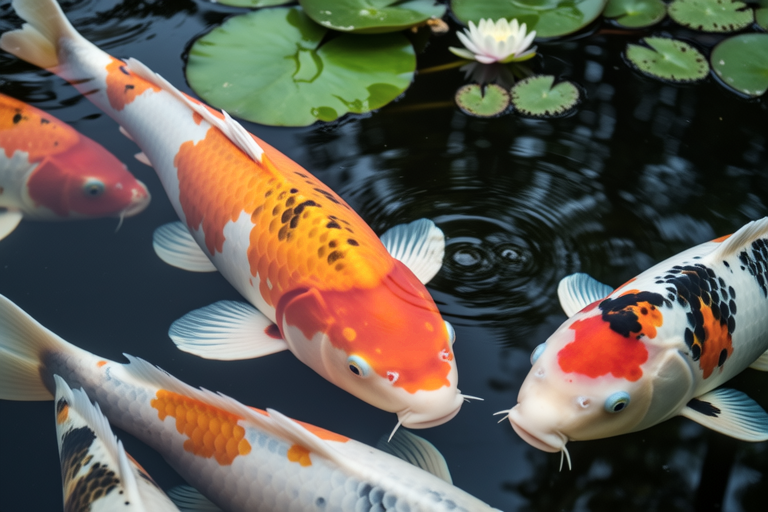
Uncover the Secrets of Raising Vibrant Koi in Your Garden Pond
Raising vibrant koi in your garden pond can be an incredibly rewarding experience. Not only do they add beauty and tranquility to your outdoor space, but they also provide endless fascination for pond enthusiasts. This guide aims to provide you with essential tips on setting up your pond, maintaining optimal water quality, feeding your koi correctly, addressing common health issues, and ensuring a thriving ecosystem through proper plant selection and filtration systems. We’ll also discuss seasonal care and its impact on koi health and color vibrancy.
Pond Setup: The Foundation for Success
Creating a suitable habitat for koi begins with careful planning. When designing your pond, consider size, depth, and location. A pond that is at least 3 feet deep ensures ample space for koi to swim comfortably and provides protection from predators and extreme temperatures. Position your pond in a partially shaded area to prevent excessive algae growth and maintain stable water temperatures.
Substrate choice plays a vital role in pond aesthetics and functionality. Gravel or pebbles not only enhance visual appeal but also serve as a natural filter by trapping debris and promoting beneficial bacteria growth. Avoid using fine sand, which can cloud the water and create maintenance challenges.
Water Quality Maintenance: The Heartbeat of Your Pond
Water quality directly affects the health and longevity of your koi. Regular monitoring of key parameters such as pH, ammonia, nitrite, and nitrate levels is crucial. Maintaining a pH between 7.2 and 8.0 ensures optimal conditions for koi. Ammonia and nitrite levels should remain undetectable, while nitrates should be kept below 40 ppm.
Implementing an efficient filtration system is paramount. Biological filters support the growth of beneficial bacteria that break down harmful compounds, keeping the water clean and safe for your koi. Mechanical filters trap large particles, preventing them from clogging biological media. Chemical filters, often containing activated carbon, remove dissolved organic compounds and medications from the water.
Adequate aeration promotes oxygen exchange and prevents stagnation. Surface agitation from waterfalls, fountains, or air stones enhances gas exchange, benefiting both fish and aquatic plants. Additionally, aeration helps to prevent the buildup of toxic gases like hydrogen sulfide.
Suitable Diet for Koi: Fueling Their Growth and Health
Feeding koi correctly is essential for their overall well-being. High-quality commercial koi food, rich in protein and fats, supports healthy growth and vibrant colors. Offer small amounts of food multiple times daily during warmer months when koi are most active. Reduce feeding frequency and quantity as temperatures drop in colder seasons.
Incorporate supplementary foods to diversify nutrients and promote varied textures. Boiled vegetables, shrimp, and earthworms provide additional vitamins and minerals. However, ensure these supplements make up no more than 10% of the total diet to avoid digestive issues.
Common Health Issues and Preventive Measures
Like any pet, koi are susceptible to various health problems. Parasites, bacterial infections, and fungal diseases are prevalent. Regular observation allows early detection and treatment of potential issues.
Preventive measures include maintaining pristine water quality, providing adequate space for each fish, and avoiding overcrowding. Quarantine new arrivals before introducing them to the main pond to minimize disease transmission. Implement a routine vaccination schedule to protect against common pathogens.
The Importance of Choosing the Right Plants
Plants play a pivotal role in creating a balanced ecosystem within your pond. Oxygenating plants, such as hornwort and anacharis, release oxygen during photosynthesis and absorb excess nutrients, reducing the likelihood of algal blooms. Floating plants like water lettuce and water hyacinth shade the water surface, lowering temperatures and inhibiting algae growth.
Marginal plants, positioned around the pond’s edges, contribute to aesthetic appeal while providing hiding spots for koi. Examples include iris, pickerel rush, and cattails. Submerged plants, like cabomba and elodea, offer spawning sites and shelter for young fry.
Filtration Systems: Ensuring Clean Water
Selecting the appropriate filtration system is critical for sustaining a healthy pond environment. Biofilters utilize bacteria to break down waste products, maintaining nitrogen balance. Skimmers remove floating debris and oils, keeping the water clear. Mechanical filters trap larger particles, preventing clogging of biological media.
Regular cleaning and maintenance of filtration systems ensure peak performance. Inspect and clean filters every two weeks during peak growing season. Replace filter media annually or as needed based on manufacturer recommendations.
Seasonal Care: Adapting to Changing Conditions
Seasonal changes significantly impact koi health and color vibrancy. During spring, gradually increase feeding frequency and quantity as water temperatures rise. Monitor water quality closely, adjusting filtration and aeration systems accordingly.
In summer, maintain consistent water temperature and oxygen levels. Introduce floating plants to provide shade and reduce algae growth. Continue regular feeding but monitor fish activity for signs of stress or reduced appetite.
As autumn approaches, reduce feeding amounts and frequency. Prepare the pond for winter by ensuring proper insulation and aeration. Check that heaters and de-icers function correctly before freezing temperatures set in.
Winter requires special attention to ensure koi survival. Maintain adequate aeration to prevent ice formation over the entire pond surface. Use pond heaters or de-icers if necessary. Keep an eye on oxygen levels, especially during prolonged periods of cold weather.
Conclusion
Raising vibrant koi in your garden pond involves careful planning, diligent maintenance, and thoughtful care throughout the year. By setting up a suitable habitat, maintaining water quality, providing nutritious diets, addressing health concerns promptly, selecting appropriate plants, and utilizing effective filtration systems, you can create a thriving environment for your koi. Seasonal adjustments further enhance their health and color vibrancy, making each day spent watching them swim a delightful experience.
