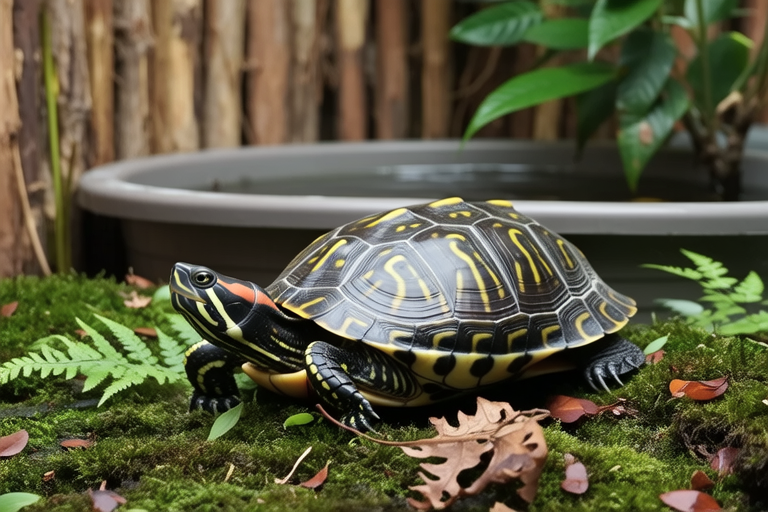
DIY Habitat Design for Three-Striped Box Turtles
Welcome to your guide on creating a perfect habitat for your three-striped box turtles. These delightful creatures are known for their distinctive markings and docile nature, making them popular pets among turtle enthusiasts. However, providing them with a suitable environment that mimics their natural habitat is crucial for their happiness and health. This comprehensive guide will walk you through the essential elements of designing a DIY habitat for your three-striped box turtles.
Understanding the Natural Environment
Before diving into the specifics of habitat design, it’s important to understand the natural environment of three-striped box turtles. Native to parts of Asia, these turtles thrive in humid, forested areas near freshwater sources. They enjoy burrowing in soft soil, basking under the sun, and swimming in shallow waters. By replicating these conditions in captivity, you can ensure your turtles lead healthy and active lives.
Habitat Size
The first step in creating a suitable habitat is ensuring it’s large enough for your turtles. A general rule of thumb is to provide at least 10 square feet of space per turtle. This allows them ample room to move around, explore, and engage in natural behaviors such as burrowing and swimming. For a pair of turtles, a 4′ x 8′ enclosure would be ideal.
Lighting
Proper lighting is vital for your turtles’ overall well-being. UVB light, which simulates sunlight, is necessary for calcium absorption and vitamin D synthesis. Invest in a high-quality UVB lamp designed for reptiles, and position it so that it covers approximately 50% of the enclosure. Ensure that the bulbs are replaced every six months or according to the manufacturer’s instructions, as their effectiveness diminishes over time.
Temperature and Humidity
Three-striped box turtles require a specific temperature gradient within their enclosure to thermoregulate. The warm end should reach between 85-90°F (29-32°C), while the cool end should be around 75-80°F (24-27°C). Use heat mats or ceramic heat emitters to achieve this gradient. Maintaining the correct humidity level is equally important; aim for 60-80% humidity. Employing a hygrometer to monitor humidity levels and misting the enclosure daily can help maintain the appropriate moisture.
Substrate
Selecting the right substrate is crucial for your turtles’ comfort and health. Opt for a mix of topsoil and coconut fiber, which provides a natural feel and helps retain moisture. Avoid substrates like sand or gravel, as they can cause impaction if ingested. Ensure the substrate is deep enough for burrowing, typically 4-6 inches, to allow your turtles to dig and hide as they would in the wild.
Hiding Spots
Providing hiding spots is essential for your turtles’ mental and physical well-being. In the wild, turtles seek refuge from predators and harsh weather conditions. Incorporate various hiding spots throughout the enclosure, such as upturned flower pots, hollow logs, or specially designed turtle caves. These shelters offer a sense of security and encourage natural behaviors.
Water Area
Three-striped box turtles need access to clean, fresh water for drinking and soaking. A shallow dish or small pond should be provided, ensuring easy access and proper depth. The water should be changed daily to prevent bacterial growth and contamination. Consider incorporating a filter system for larger water areas to maintain cleanliness and oxygenation.
Diet Considerations
Feeding your three-striped box turtles a balanced diet is fundamental to their health. Their diet should consist of a variety of foods, including commercial turtle pellets, leafy greens, fruits, and occasional protein sources like insects or fish. It’s important to offer a diverse selection to ensure they receive all necessary nutrients. Consult with a veterinarian specializing in reptiles for specific dietary recommendations tailored to your turtles’ age and health status.
Maintenance and Safety Precautions
Regular maintenance is key to keeping your turtles’ habitat clean and safe. Clean the enclosure weekly, removing waste and replacing any soiled substrate. Check water quality and perform partial water changes as needed. Inspect heating and lighting equipment regularly for proper function. Additionally, handle your turtles gently and wash your hands before and after interaction to prevent the spread of bacteria.
When designing the habitat, consider safety precautions to prevent accidents. Ensure there are no sharp edges or harmful materials within the enclosure. Secure the habitat to prevent escapes and protect your turtles from external threats. Supervise children and other pets when they are around the enclosure to ensure the safety of both your turtles and those interacting with them.
Conclusion
Creating a habitat that closely mirrors the natural environment of three-striped box turtles is essential for their well-being. By carefully considering factors such as size, lighting, temperature, humidity, substrate, hiding spots, water area, and diet, you can provide a comfortable and stimulating home for your pet turtles. Regular maintenance and adherence to safety precautions will further contribute to their health and happiness. With dedication and care, you can ensure your three-striped box turtles live long, healthy, and fulfilling lives in their new home.
