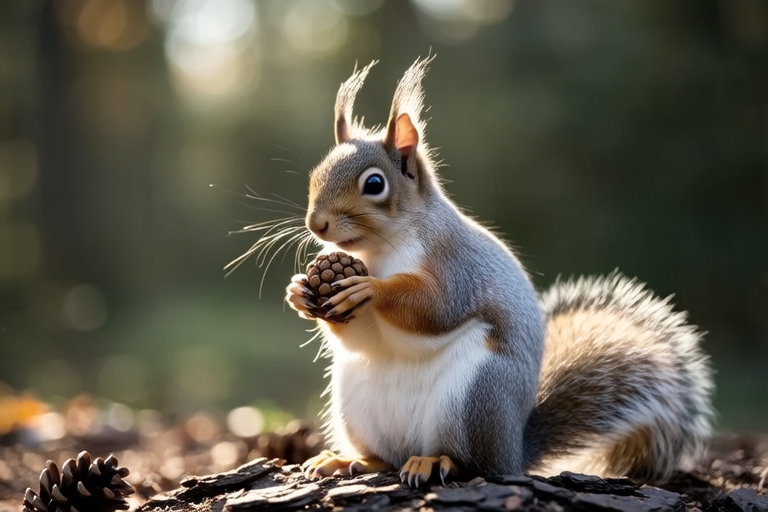
Squirrel Secrets Unveiled: What Your Backyard Critters Are Really Up To
For many of us, squirrels are familiar faces in our backyards, darting from tree to tree or scurrying across lawns. These small, agile rodents are often seen but rarely understood. While they may seem like simple backyard visitors, squirrels are actually complex creatures with intriguing behaviors and important roles within their environments. This article delves into the world of squirrels, revealing what these critters are really up to in your backyard.
The Mysterious Visitors
Squirrels are common sights in urban and suburban areas, but despite their ubiquity, there’s something enigmatic about them. With their bushy tails and quick movements, they can be both elusive and entertaining. The most commonly seen species in North America include the Eastern Gray Squirrel and the Fox Squirrel. Both species have similar physical characteristics, such as sharp claws for climbing trees and large eyes that provide excellent peripheral vision. Their fur coloration varies, offering some camouflage against predators.
Feeding Habits and Nest-Building Techniques
Squirrels are primarily herbivores, consuming a diet rich in nuts, seeds, fruits, and sometimes fungi. They play a crucial role in seed dispersal, inadvertently planting new trees and plants as they bury and forget caches of food. Their feeding habits are not just about survival; they’re also part of a complex strategy to ensure long-term survival.
Nest-building is another fascinating aspect of squirrel behavior. Squirrels construct two types of nests: dreys, which are leafy nests built high in trees, and cavities within hollowed-out tree trunks. Dreys are typically used for raising young and sheltering during bad weather, while cavities offer protection from predators and harsh conditions. Building these nests requires significant effort, involving the gathering of twigs, leaves, moss, and other materials.
Communication Methods
Squirrels communicate through a variety of vocalizations and body language. They use chirps, barks, and chatters to signal danger, attract mates, or assert dominance. Their tail movements also convey messages; a flicking tail might indicate agitation or warning. Understanding these signals can help you better interpret their behavior and interactions.
Seasonal Activities
The arrival of autumn marks the beginning of an intense period for squirrels. As temperatures drop, they become more active, gathering and storing food for the upcoming winter. This activity peaks in late fall when acorns, hickory nuts, and walnuts are plentiful. Squirrels employ a technique known as scatter hoarding, where they bury individual caches of food throughout their territory. This method ensures that even if one cache is found by a predator, others remain hidden.
Winter brings a slower pace for squirrels. While they don’t hibernate, they spend more time in their nests and rely heavily on cached food. Spring and summer are times of renewal, with mating seasons occurring in late winter and early spring. Newborn squirrels are born blind and hairless, requiring constant care from their mothers until they can fend for themselves.
The Relationship Between Squirrels and Their Environment
Squirrels play vital roles in maintaining the health of local ecosystems. By eating and dispersing seeds, they contribute to forest regeneration. Their digging activities also aerate soil, improving its structure and fertility. Additionally, squirrels serve as prey for various predators, including birds of prey, foxes, and snakes. This makes them an essential part of the food chain.
Tips for Coexisting Peacefully
Living alongside squirrels doesn’t have to be problematic. Here are some tips for coexisting peacefully:
- Provide Food Sources: Instead of encouraging them to raid bird feeders, set up squirrel-proof feeders or plant native trees and shrubs that produce edible seeds and nuts.
- Secure Trash: Keep garbage cans sealed tightly to prevent squirrels from rummaging through your trash.
- Protect Gardens: Use physical barriers like fencing or netting to protect plants and crops from being dug up or eaten.
- Encourage Natural Habitats: Leave dead trees standing, if safe to do so, and plant native vegetation to support local wildlife.
Having squirrels in your backyard has numerous benefits. They add a lively presence to outdoor spaces and provide endless entertainment. Plus, their ecological contributions are invaluable, helping to maintain healthy ecosystems.
