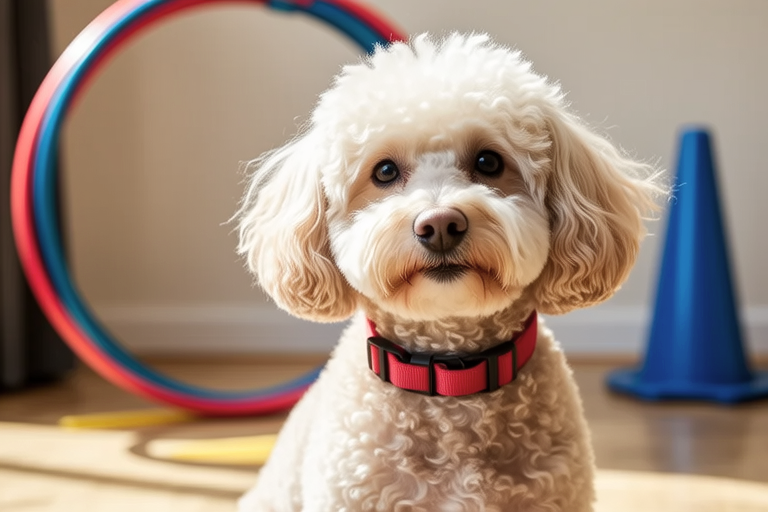
How to Train Your Poodle Like a Pro: Tips and Tricks
Welcome to the wonderful world of poodle training! Whether you’re a seasoned dog owner or a first-time pet parent, training your poodle can be an exciting and rewarding experience. This guide will provide you with everything you need to know about how to train your poodle like a pro, from understanding their behavior to mastering basic obedience commands and beyond.
Understanding Poodle Behavior
Poodles are intelligent, energetic, and highly trainable dogs. They have a strong desire to please their owners, which makes them excellent candidates for training. However, understanding their behavior is crucial before diving into training. Poodles can sometimes be stubborn, especially if they’re bored or not challenged mentally. They thrive on mental stimulation and enjoy problem-solving tasks.
It’s important to recognize that poodles are social animals and may become anxious or destructive if left alone for long periods. Providing plenty of mental and physical exercise can help alleviate these issues. Additionally, poodles are known for their cleanliness and may try to avoid getting dirty, so keep this in mind when planning outdoor activities.
Basic Obedience Training Commands
Teaching your poodle basic obedience commands is essential for their safety and your peace of mind. Start with simple commands like ‘sit,’ ‘stay,’ ‘come,’ and ‘heel.’ These commands form the foundation of good behavior and help establish a clear communication between you and your dog.
- Sit: Hold a treat above your poodle’s head and move it back towards their tail. As they follow the treat with their nose, their bottom should naturally lower to the ground. Once they sit, give them the treat and praise them enthusiastically.
- Stay: Have your poodle sit first, then extend one hand forward while saying ‘stay.’ Take a few steps back, then return to your poodle and reward them for staying put. Gradually increase the distance and duration as they master the command.
- Come: Use a short, sharp word like ‘come’ and encourage your poodle with a happy tone. Reward them immediately upon returning to you. It’s crucial to make this command positive, as poodles may associate it with punishment if they’re called to stop doing something enjoyable.
- Heel: Walk beside your poodle and hold a treat near their nose. Encourage them to walk alongside you without pulling. Praise them when they maintain the correct position and gradually phase out the treat as they get better at heeling.
Effective Positive Reinforcement Techniques
Positive reinforcement is key to successful training. It involves rewarding your poodle for good behavior, which encourages them to repeat that behavior in the future. Rewards can include treats, verbal praise, petting, or playtime. The goal is to make training sessions enjoyable and rewarding for both you and your poodle.
Consistency is vital in positive reinforcement. Always use the same word or gesture for each command and ensure everyone in the household uses the same approach. This helps prevent confusion and reinforces the desired behavior.
Be patient and celebrate small victories. Poodles are quick learners, but every dog has its own pace. Avoid scolding or punishing your poodle for mistakes; instead, redirect their attention to the correct behavior and reward them when they get it right.
Solving Common Training Challenges
Training a poodle comes with its share of challenges. Here are some common issues and solutions:
- Stubbornness: Poodles can be stubborn if they’re not interested in what you’re trying to teach them. To combat this, mix up your training routine and incorporate fun games or toys. Make training sessions enjoyable and challenging enough to keep their interest.
- Separation Anxiety: Poodles are social animals and may suffer from separation anxiety if left alone for too long. Combat this by gradually increasing the time you spend away from your poodle. Provide them with toys or puzzles that keep them occupied and calm during your absence.
- Barking: Barking can be a challenge, especially if your poodle is overexcited or bored. Teach your poodle the ‘quiet’ command by saying the word firmly and waiting for them to stop barking. Reward them immediately when they comply. Consistency is key in teaching this command.
- House Training: House training can be tricky, but with patience and consistency, your poodle will learn. Establish a regular schedule for bathroom breaks and reward them generously when they eliminate outside. Be patient and avoid scolding accidents; instead, clean them up calmly and continue with the training routine.
Maintaining Consistency in Training
Consistency is one of the most important factors in successful training. Dogs thrive on routine and structure, and poodles are no exception. Stick to a consistent schedule for feeding, walking, and training sessions. This helps your poodle understand what’s expected of them and reinforces good behavior.
When teaching new commands, practice them frequently throughout the day. Short, frequent training sessions are more effective than long, infrequent ones. Each session should last only a few minutes to keep your poodle engaged and focused.
Ensure everyone in the household follows the same training methods. Inconsistent commands or rewards can confuse your poodle and slow down the training process. Clear communication and teamwork among family members are essential for successful training.
Enriching Training Sessions with Mental Stimulation Activities
Poodles are highly intelligent and require mental stimulation to stay happy and healthy. Incorporating brain-stimulating activities into your training sessions can make them more engaging and enjoyable for both you and your poodle. Here are some ideas:
- Food Puzzles: Food puzzles are an excellent way to keep your poodle mentally engaged. Fill treat-dispensing toys with their favorite snacks and let them figure out how to retrieve them. This activity promotes problem-solving skills and keeps your poodle busy for extended periods.
- Hide and Seek: Play hide and seek with your poodle by hiding treats around the house or yard. Encourage them to search for the treats using scent cues. This game enhances their sense of smell and provides mental stimulation.
- Obstacle Courses: Create an obstacle course using household items or agility equipment. Guide your poodle through the course, encouraging them to jump, weave, and crawl. This activity provides both physical and mental exercise, keeping your poodle entertained and challenged.
- Interactive Toys: Invest in interactive toys that engage your poodle’s mind. Puzzle toys, tug-of-war ropes, and fetch toys are great options. Rotate toys regularly to prevent boredom and keep your poodle interested.
Remember, the key to successful training is patience and praise. Celebrate your poodle’s successes and offer encouragement when they struggle. With time and dedication, your poodle will become a well-behaved and joyful companion.
Training your poodle is a journey filled with learning and growth for both you and your furry friend. By understanding their behavior, using positive reinforcement, maintaining consistency, and enriching training sessions with mental stimulation activities, you’ll be well on your way to raising a well-trained and happy poodle. Enjoy the process and cherish the bond you build with your beloved pet.
