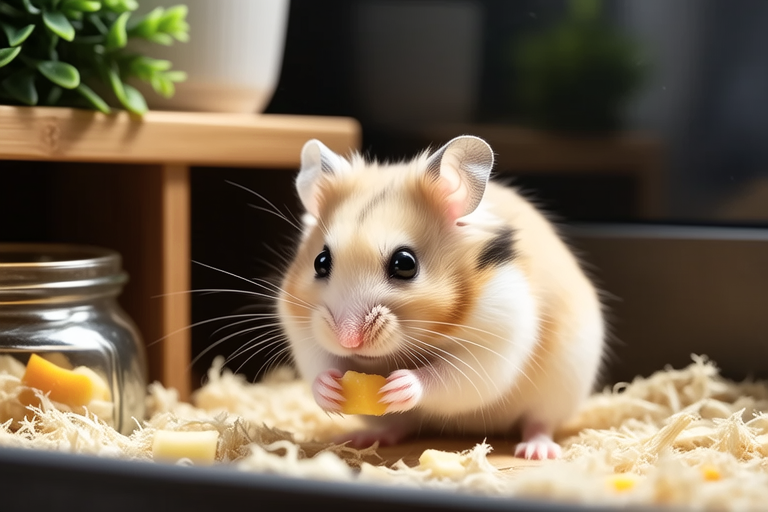
Adorable and Active: Discover the Secrets to Keeping Your Golden Hamster Happy
Welcome to the world of golden hamsters! These little creatures are not only adorable but also full of energy. If you’re considering adopting a golden hamster or are already a proud owner, this guide will help you understand how to keep your furry friend happy and healthy. From housing to diet, exercise, and social interaction, we’ll cover everything you need to know about these delightful pets.
The Perfect Home for Your Golden Hamster
Adequate housing is crucial for your golden hamster’s comfort and happiness. Golden hamsters require spacious cages that allow them to move around freely. The cage should be at least 8 inches tall, 24 inches long, and 12 inches wide. A wire cage with a solid floor is ideal, as it provides good ventilation while protecting your hamster’s feet.
Ensure the cage has multiple levels, as golden hamsters love to explore and climb. Provide ramps, tunnels, and platforms to encourage physical activity. The cage should also have a cozy sleeping area lined with soft bedding, such as shredded paper or commercial hamster bedding. Avoid cedar and pine shavings, as they can irritate your hamster’s respiratory system.
In addition to bedding, include nesting materials like tissue paper, toilet paper rolls, and cardboard boxes. These items provide entertainment and help your hamster feel secure. Place the cage in a quiet, draft-free area away from direct sunlight and drafts. Avoid placing the cage near windows, fish tanks, or areas with strong odors, as these can stress your hamster.
Nutritious Diet for a Healthy Hamster
A balanced diet is key to maintaining your golden hamster’s health. Their diet should consist of a high-quality hamster mix that includes seeds, grains, pellets, and dried fruits. Supplement this mix with fresh vegetables and fruits, such as carrots, cucumbers, and apples. Avoid feeding your hamster too many sugary treats, as excessive sugar can lead to obesity and other health issues.
Provide fresh water daily using a sipper bottle. Change the water regularly to ensure it remains clean and palatable. You can also offer small amounts of cooked egg, cottage cheese, and mealworms as occasional treats. Remember, a varied diet ensures your hamster receives all necessary nutrients, promoting optimal health and longevity.
Encouraging Exercise and Playtime
Golden hamsters are naturally active animals that need regular exercise to stay healthy and happy. In addition to providing a spacious cage, give your hamster a wheel for running. Choose a solid-surfaced wheel to prevent injuries. Rotate toys and add new items to stimulate your hamster’s curiosity and prevent boredom.
Supplement cage activities with supervised playtime outside the cage. Use a hamster ball or create a safe play area with tunnels and obstacles. This allows your hamster to explore and burn off excess energy. Always supervise your hamster during playtime to ensure their safety. Regular exercise helps maintain a healthy weight and reduces the risk of behavioral problems.
Social Interaction and Bonding
Golden hamsters are solitary animals that prefer living alone. While they enjoy interacting with humans, they may become stressed or aggressive when housed with other hamsters. Spend time handling your hamster gently each day to build trust and strengthen your bond. Offer treats and praise during handling sessions to create positive associations.
Talk to your hamster softly and mimic its sounds to establish a connection. Respect your hamster’s boundaries and avoid handling it if it shows signs of stress or discomfort. By providing a stimulating environment and spending quality time with your hamster, you can foster a strong relationship based on trust and affection.
Understanding Common Behaviors
Observing your golden hamster’s behavior can provide valuable insights into its well-being. Digging is a natural behavior for hamsters, so provide a digging box filled with sand or shredded paper. Burrowing helps them feel secure and entertained. Hamsters also hoard food, storing it in various locations within their cage. This behavior is instinctual and reflects their wild ancestry.
Your hamster may also exhibit territorial behavior, especially during adolescence. Provide hiding spots and tunnels to reduce tension. Be patient and consistent in your interactions to help your hamster adjust to its environment. Understanding and accommodating these behaviors promotes a harmonious relationship between you and your pet.
Health Concerns and Preventative Care
Regular veterinary check-ups are essential for maintaining your golden hamster’s health. Schedule annual visits with a small animal veterinarian who specializes in exotic pets. Monitor your hamster for signs of illness, such as lethargy, loss of appetite, weight changes, or unusual behavior. Early detection and treatment improve outcomes for many conditions.
Common health issues include dental problems, respiratory infections, and digestive disorders. Provide chew toys to help maintain proper tooth length. Clean the cage regularly to prevent bacterial growth and ensure a healthy living environment. Vaccinations are generally not required for hamsters, but consult your veterinarian for specific recommendations based on your location.
Enrichment Activities for Mental Stimulation
To keep your golden hamster mentally stimulated, incorporate enrichment activities into its routine. Rotate toys to keep things interesting and challenging. Introduce puzzle feeders that require problem-solving skills to access treats. Hide treats throughout the cage to encourage exploration and foraging.
Create a sensory experience by offering different textures, such as smooth stones, rough bark, and soft fabrics. Introduce new scents, like vanilla or lavender, sparingly to enhance olfactory stimulation. By providing a variety of enriching experiences, you can help your hamster stay engaged and content.
