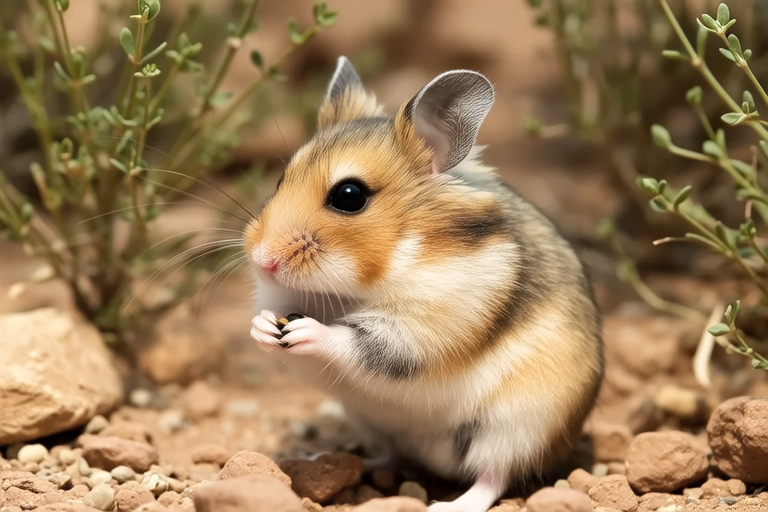
The World’s Smallest Hamster: The Roborovski
The Roborovski hamster (Cricetulus roborovskii) is the smallest hamster species in the world. This diminutive creature has captured the hearts of many pet enthusiasts due to its unique characteristics, small size, and endearing behavior. In this article, we will explore the origins, physical traits, dietary needs, and behavioral patterns of the Roborovski hamster. Additionally, we’ll discuss why it makes an excellent pet and provide tips for setting up the ideal habitat and ensuring your Roborovski stays healthy and happy.
Origins and Physical Traits
The Roborovski hamster was first discovered in the deserts of Central Asia, specifically in regions such as Kazakhstan, Mongolia, and parts of China. These tiny creatures have adapted to survive in harsh desert conditions, which has contributed to their robust health and longevity. Named after the Russian explorer Lt. Vsevolod Roborovski, who first documented them in the late 19th century, these hamsters are native to arid environments where temperatures can fluctuate dramatically between day and night.
One of the most striking features of the Roborovski hamster is its petite size. Adults typically measure around 4-5 cm (1.6-2 inches) in length, making them the smallest hamster species available as pets. Their small stature combined with their high energy levels creates a delightful and entertaining pet. They have a sandy or beige-colored coat, which helps them blend into their natural desert surroundings. The Roborovski also possesses a distinctive white tail tip, which serves as an important identification feature.
Lifespan and Dietary Needs
Roborovski hamsters generally live for about two to three years, though some may reach four years under optimal care conditions. Their relatively short lifespan underscores the importance of providing them with a nutritious diet and a stimulating environment.
Dietary requirements for Roborovski hamsters include a balanced mix of commercial hamster food, fresh vegetables, and occasional treats. Commercial diets are specifically formulated to meet the nutritional needs of small rodents, containing essential vitamins and minerals. Fresh vegetables like carrots, broccoli, and spinach can be offered in moderation to supplement their diet. However, it’s crucial to avoid feeding them foods that are harmful to hamsters, such as citrus fruits, chocolate, and sugary snacks. Providing a variety of safe and nutritious foods ensures your Roborovski remains healthy and active.
Behavioral Patterns
Roborovski hamsters are known for their high energy levels and curious nature. They are highly active during the day and night, often engaging in running, digging, and exploring their environment. Their natural inclination towards activity means they require ample space to move around freely. These hamsters are also quite social but prefer living alone, so it’s best to keep them in individual cages unless you have a pair or trio that has been raised together since birth.
In addition to their energetic behavior, Roborovski hamsters exhibit fascinating burrowing habits. They dig tunnels and create intricate underground systems, which can be replicated in captivity by providing them with suitable bedding material and hiding spots. This behavior not only keeps them entertained but also satisfies their instinctual need to create safe spaces.
Why Roborovski Hamsters Make Excellent Pets
Despite their small size, Roborovski hamsters are incredibly popular among pet owners for several reasons:
- Quiet and gentle: Unlike some larger rodent species, Roborovski hamsters are relatively quiet and gentle, making them ideal for apartment dwellers or those who prefer low-maintenance pets.
- Low odor: Due to their small size and efficient waste disposal system, Roborovski hamsters produce minimal odor, further enhancing their appeal as indoor pets.
- Adaptable: These hamsters are highly adaptable and can thrive in various environments, provided their basic needs are met.
- Interactive: Roborovski hamsters enjoy interacting with their human companions and can be trained to perform simple tricks or come when called.
Special Care Requirements Compared to Other Hamster Breeds
While Roborovski hamsters share many similarities with other hamster species, there are some key differences in their care requirements:
- Space: Roborovski hamsters require more space than their larger counterparts due to their high energy levels. A cage with a minimum floor area of 30 x 45 cm (12 x 18 inches) is recommended for a single hamster.
- Bedding: Soft, dust-free bedding such as shredded paper or aspen shavings is ideal for Roborovski hamsters. Avoid cedar or pine shavings, as they can cause respiratory issues.
- Temperature: Roborovski hamsters are accustomed to warm temperatures and can tolerate higher heat better than other hamster species. However, they still require a temperature range between 65-75°F (18-24°C).
- Water: Ensure your Roborovski has access to clean, fresh water at all times. A sipper bottle is preferable over a water bowl to prevent spills and contamination.
Tips for Setting Up the Ideal Habitat
To ensure your Roborovski hamster thrives, follow these guidelines when setting up their habitat:
- Cage size: Provide a spacious cage with multiple levels and plenty of room for running and climbing. A wire mesh top allows for ventilation while preventing escape.
- Bedding: Use soft, dust-free bedding to create a comfortable sleeping area. Place the bedding in a corner of the cage and add nesting materials such as tissue paper or cotton wool.
- Hiding spots: Include tunnels, tubes, and boxes for your hamster to explore and hide in. This mimics their natural burrowing behavior and provides mental stimulation.
- Toys: Offer toys that encourage exercise and exploration, such as wheels, ladders, and chew toys. Regularly rotate the toys to keep your hamster engaged.
- Food dishes: Position food dishes in different areas of the cage to promote exploration and prevent boredom.
- Grooming: Roborovski hamsters are self-grooming animals, but regular nail trimming and dental checks are necessary to maintain their overall health.
Ensuring Health and Happiness
To keep your Roborovski hamster healthy and happy, follow these tips:
- Regular vet check-ups: Schedule routine visits to a veterinarian experienced with small mammals to monitor your hamster’s health.
- Proper hygiene: Clean the cage and replace bedding regularly to prevent the buildup of bacteria and odors.
- Social interaction: Spend time handling and interacting with your hamster daily to build trust and strengthen your bond.
- Mental stimulation: Provide a variety of toys and activities to keep your hamster mentally stimulated and prevent boredom.
- Exercise: Ensure your hamster has ample opportunity for exercise through playtime outside the cage and the provision of appropriate toys.
Fascinating Facts About Roborovski Hamsters
Roborovski hamsters are not only charming pets but also fascinating creatures with unique characteristics:
- Speedy runners: Roborovski hamsters are known for their impressive running speed, sometimes reaching speeds of up to 6 miles per hour (9.6 km/h). This makes them one of the fastest small rodents.
- Nocturnal habits: Despite being active during both day and night, Roborovski hamsters tend to be more active during dawn and dusk, mirroring their natural desert environment.
- Blind in the womb: Roborovski hamsters are born blind and without fur, developing these features gradually over the first few weeks of life.
- Fast breeders: Female Roborovski hamsters can give birth to litters of up to eight pups, with an average gestation period of 22 days.
- Unique markings: Each Roborovski hamster has a distinct white tail tip, which can be used for identification purposes.
In conclusion, the Roborovski hamster is a delightful and fascinating pet that offers a unique combination of size, personality, and adaptability. By understanding their origins, physical traits, dietary needs, and behavioral patterns, you can provide your Roborovski with the ideal habitat and care they deserve. With proper attention and love, these tiny creatures will bring joy and companionship to your home for years to come.
