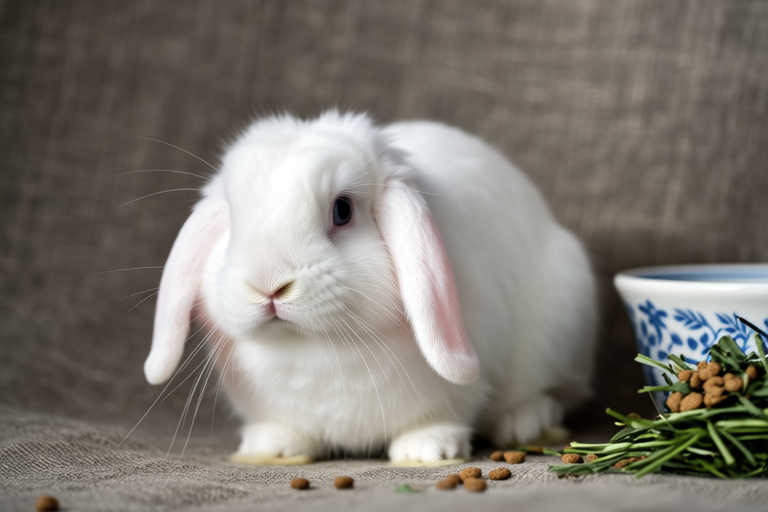
Hotot Rabbit Care Tips for First-Time Owners
Welcome to the world of Hotot rabbits! These charming creatures are known for their striking black eyes and white fur, making them an attractive choice for both experienced and first-time rabbit owners. Caring for a Hotot rabbit involves understanding their specific needs regarding housing, diet, grooming, health, exercise, and bonding. This guide will walk you through the essentials, providing you with practical advice to ensure your Hotot rabbit leads a healthy and happy life.
Housing Requirements
Providing a safe and comfortable living space is crucial for your Hotot rabbit. The ideal cage should be large enough for your rabbit to move around freely, stretch out fully, and stand up on its hind legs without hitting the top of the cage. A minimum size of 3 feet by 4 feet is recommended for one rabbit, but larger is always better. If possible, consider giving your rabbit access to a spacious room where it can explore and play under supervision.
The cage should have a solid bottom to prevent injury from wire flooring. Line the bottom with soft bedding such as hay or shredded paper to make it cozy and absorbent. Ensure good ventilation and protection from drafts. Place the cage away from direct sunlight and strong air currents. Clean the cage regularly to maintain hygiene and reduce odors.
Dietary Needs
A balanced diet is vital for maintaining your Hotot rabbit’s health. Their primary food source should be fresh hay, which provides essential fiber for digestive health. Timothy hay is a popular choice, but other types like orchard grass hay can also be offered. Rabbits should have unlimited access to hay throughout the day.
In addition to hay, offer a small amount of pellets formulated specifically for rabbits. Look for high-quality pellets that contain 18-20% protein and at least 18% fiber. Limit the amount of pellets to about 1/4 cup per 6 pounds of body weight daily to avoid overfeeding. Fresh vegetables and fruits can be given as occasional treats. Dark leafy greens like romaine lettuce, spinach, and kale are excellent choices. Introduce new foods gradually to monitor for any adverse reactions.
Always provide clean, fresh water in a spill-proof bottle or bowl. Change the water daily and clean the container to prevent bacterial growth. Avoid feeding your rabbit sugary treats, processed foods, or human snacks, as these can lead to obesity and dental problems.
Grooming
Hotot rabbits have short, dense coats that require regular grooming to keep them clean and healthy. Brush your rabbit weekly with a soft-bristled brush to remove loose hair and prevent matting. During shedding seasons, increase brushing frequency to twice a week. Pay special attention to areas behind the ears and under the chin, where mats are more likely to form.
Bathing your rabbit is generally not necessary unless it gets excessively dirty. Overbathing can strip natural oils from its skin, leading to dryness and irritation. If you need to bathe your rabbit, use a gentle shampoo designed for pets and rinse thoroughly to avoid skin issues. Dry your rabbit completely with a towel before placing it back in its cage.
Trimming nails is another important grooming task. Long nails can cause discomfort and affect your rabbit’s ability to walk properly. Use nail clippers made for small animals and trim only the tip of each nail, avoiding the quick (the blood vessel inside the nail). If you accidentally cut into the quick, apply styptic powder to stop bleeding. Consult a veterinarian if you’re unsure about nail trimming.
Health Considerations
Regular veterinary check-ups are essential for monitoring your Hotot rabbit’s health. Choose a veterinarian who specializes in exotic pets or has experience with rabbits. Schedule annual visits for routine exams, vaccinations, and dental checks. Early detection of health issues can significantly improve treatment outcomes.
Monitor your rabbit’s behavior and physical condition daily. Watch for signs of illness such as lethargy, loss of appetite, diarrhea, or discharge from the eyes or nose. Changes in litter box habits, such as decreased urination or defecation, can also indicate underlying health problems. Address any concerns promptly by consulting a veterinarian.
Common health issues in rabbits include dental disease, gastrointestinal stasis, and respiratory infections. Providing a proper diet rich in fiber, ensuring adequate hydration, and offering plenty of opportunities for exercise can help prevent many of these conditions. Additionally, spaying or neutering your rabbit reduces the risk of reproductive cancers and territorial behaviors.
Exercise Recommendations
Rabbits are naturally active and need ample time to stretch, run, and explore. Allow your Hotot rabbit supervised playtime outside its cage for at least 3-4 hours daily. Create a safe play area by removing hazards like electrical cords, toxic plants, and small objects that could be swallowed. Use baby gates or close doors to restrict access to dangerous areas.
Provide toys and enrichment items to stimulate your rabbit’s mind and encourage physical activity. Cardboard boxes, tunnels, and chew toys are great options. Rotate toys periodically to keep things interesting. Interactive play sessions with you can also strengthen your bond and provide mental stimulation.
Supervise your rabbit during playtime to ensure safety. Keep an eye out for signs of distress or discomfort, and remove any potentially harmful items. Encourage gentle exercise by allowing your rabbit to hop and jump in a secure environment.
Tips for Bonding with Your Rabbit
Bonding with your Hotot rabbit takes time and patience. Start by spending quiet time near its cage, talking softly and offering treats. Gradually introduce gentle petting, beginning with stroking its head and neck. As your rabbit becomes more comfortable, you can move to other areas like its back and sides.
Respect your rabbit’s personal space and allow it to approach you at its own pace. Never force interactions or handle your rabbit roughly. Use positive reinforcement techniques, such as offering treats or praise, to encourage desired behaviors. Spend quality time together every day, engaging in activities like grooming, playing, and cuddling.
Establish a routine that includes regular interaction and playtime. Consistency helps build trust and strengthens your bond. Be patient and understanding; some rabbits may take longer than others to become fully comfortable with human interaction.
Conclusion
Caring for a Hotot rabbit is a rewarding experience that requires dedication and commitment. By providing appropriate housing, a nutritious diet, regular grooming, and ample exercise, you can ensure your rabbit lives a long, healthy, and happy life. Remember to stay attentive to your rabbit’s needs and seek professional advice when necessary. With love, patience, and proper care, you’ll form a strong bond with your Hotot rabbit and enjoy many years of companionship.
