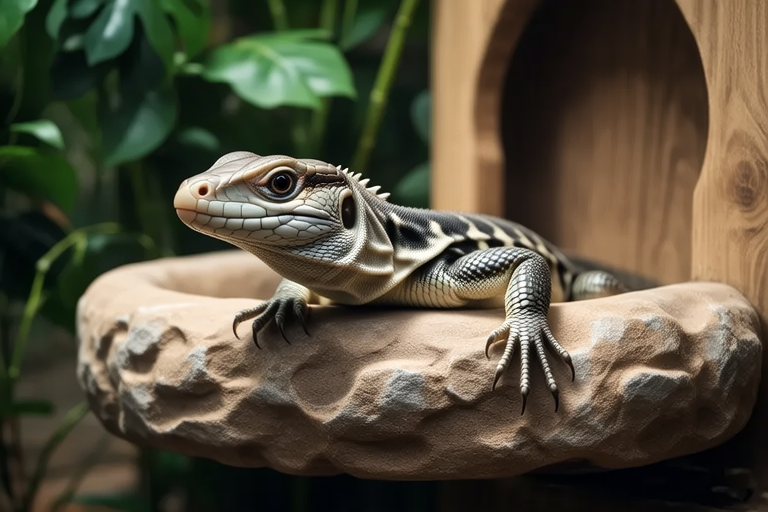
From Jungle to Home: How to Care for Your Water Monitor Pet Perfectly
Welcome to the fascinating world of water monitors! These impressive reptiles, native to Southeast Asia, are popular among exotic pet enthusiasts. However, owning a water monitor requires careful consideration and commitment. This guide will walk you through the essentials of caring for your water monitor, from understanding their natural habitat to ensuring they remain healthy and happy in your home.
Understanding Water Monitors’ Natural Habitat
Water monitors (Varanus salvator) are semi-aquatic lizards that thrive in tropical environments. Their natural habitats include dense jungles, mangroves, and riverbanks. They are excellent swimmers and can be found near bodies of water, which they use for both hunting and thermoregulation. In captivity, it’s crucial to replicate these conditions as closely as possible to ensure your monitor’s well-being.
Dietary Needs
Water monitors are carnivorous and require a diet rich in proteins. In the wild, they feed on a variety of prey including fish, insects, small mammals, birds, and even carrion. As pets, their diet should consist primarily of appropriately sized rodents, feeder fish, and insects. It’s important to provide a balanced diet to prevent nutritional deficiencies.
Variety is key when feeding your water monitor. Rotate between different types of prey items to ensure they receive all necessary nutrients. Always ensure that any live food you offer has been gut-loaded with nutritious supplements prior to feeding.
Housing Requirements
Proper housing is essential for the health and happiness of your water monitor. Due to their size and activity level, they require spacious enclosures. A juvenile monitor can start in a 4x2x2-foot enclosure, but as they grow, you’ll need to upgrade to something much larger—up to 8x4x4 feet or more for adults.
The enclosure should have a secure lid or top, as water monitors are excellent climbers and escape artists. Additionally, include a large water area for swimming. The depth of this area should allow your monitor to submerge completely, but also provide some dry land for basking. Maintain the water clean and fresh, changing it regularly.
Temperature control is vital. Water monitors require a temperature gradient within their enclosure, ranging from 85°F to 95°F during the day, with a basking spot reaching up to 100°F. At night, temperatures can drop slightly but should not go below 75°F. Use heat lamps or under-tank heaters to achieve these temperatures. Humidity levels should be kept around 60% to 80%, mimicking their humid jungle environment.
Handling Tips
Water monitors can be aggressive if mishandled or not properly socialized. Start by establishing trust with your pet from a young age. Handle them gently and consistently, allowing them to become accustomed to human interaction. Always approach your monitor slowly and avoid startling them.
When handling, support their body fully and never lift them by their tail, as this can cause injury. If your monitor bites or becomes defensive, stop handling immediately and give them time to calm down. Over time, with patience and consistency, many water monitors can become docile and even enjoy gentle interactions with their owners.
Health Issues
Like all pets, water monitors can face various health issues. Regular veterinary check-ups are crucial to maintaining their health. Common problems include respiratory infections, metabolic bone disease (MBD), and parasites.
To prevent respiratory infections, maintain proper humidity and temperature levels within the enclosure. Signs of respiratory infection may include nasal discharge, labored breathing, or lethargy. If you notice any of these symptoms, consult a veterinarian specializing in reptiles immediately.
Metabolic bone disease results from calcium and vitamin D3 deficiencies. To prevent MBD, provide a balanced diet and supplement it with calcium and vitamin D3 powders. UVB lighting is also essential for synthesizing vitamin D3.
Parasites can be introduced through live prey or contaminated substrate. Regular fecal examinations by a vet can help detect and treat parasitic infections. Keep the enclosure clean and sanitized to minimize the risk of parasites.
Enrichment Activities
Providing mental and physical stimulation is crucial for your water monitor’s overall well-being. Enrichment activities can help prevent boredom and encourage natural behaviors. Offer climbing structures like branches or logs, and create hiding spots using caves or tunnels.
Interactive playtime can also be beneficial. Supervised swimming sessions outside of the enclosure can be enjoyable for both you and your pet. Introduce new toys or objects occasionally to keep things interesting. Remember, each monitor is unique, so observe your pet’s preferences and adjust enrichment activities accordingly.
Safety Precautions and Responsible Pet Care
Owning a water monitor comes with significant responsibilities. Before acquiring one, ensure you have the space, resources, and knowledge to provide the best possible care. Research thoroughly and consult with experienced breeders or veterinarians.
Always prioritize your safety and that of others. Water monitors can deliver powerful bites and scratches. Handle them with caution and never leave them unattended around children or other pets. Teach children about safe interactions with reptiles and supervise all encounters.
Responsible pet care extends beyond individual ownership. Be mindful of the environmental impact of keeping exotic pets. Consider the sustainability of your practices and support ethical breeding and conservation efforts.
Conclusion
Caring for a water monitor is a rewarding yet challenging endeavor. By understanding their natural habitat, providing appropriate nutrition, creating suitable living conditions, handling them safely, addressing potential health issues, and offering enriching activities, you can ensure your water monitor leads a fulfilling life in your home.
Remember, every water monitor is unique. Observe your pet closely, adapt to their specific needs, and always seek professional advice when needed. With dedication and love, you and your water monitor can share a wonderful companionship.
