Chasing Legends: Everything You Need to Know About Siberian Huskies
Welcome to the world of Siberian Huskies, one of the most fascinating and iconic dog breeds. These dogs have captured the hearts of many with their striking appearance and legendary endurance. From their origins in Siberia to their starring roles in sled racing, Siberian Huskies are a breed rich in history and full of character. This article will guide you through everything you need to know about these magnificent creatures, providing insights into their history, physical traits, temperament, health, and care requirements.
A Brief History of Siberian Huskies
The story of Siberian Huskies begins in the harsh landscapes of northeastern Asia, where the Chukchi people of Siberia first bred them over 3,000 years ago. These hardy dogs were originally used to herd reindeer and pull heavy loads across long distances. Their resilience and strength made them indispensable to the Chukchi people, who relied on them for survival in the unforgiving Arctic climate.
In the early 20th century, Siberian Huskies gained international recognition when they were brought to Alaska to participate in sled races. One of the most famous events was the 1925 serum run to Nome, where a relay of mushers and their dogs transported life-saving diphtheria antitoxin across treacherous terrain. The lead dog, Balto, became an instant celebrity and immortalized the breed in American culture.
Siberian Huskies in Sled Racing
Siberian Huskies have been integral to sled racing since their introduction to North America. Known for their speed, endurance, and ability to thrive in cold conditions, these dogs have dominated the sport for decades. They are renowned for their efficiency, capable of covering long distances at high speeds while maintaining their stamina. In the hands of skilled mushers, Siberian Huskies can achieve remarkable feats, such as completing the Iditarod Trail Sled Dog Race, a grueling 1,000-mile journey across Alaska.
Their success in sled racing has not only showcased their physical prowess but also highlighted their intelligence and teamwork. Siberian Huskies are highly trainable and respond well to positive reinforcement, making them ideal partners for mushers. Their natural instinct to pull and their strong sense of direction further enhance their performance in sled racing.
Key Characteristics of Siberian Huskies
Appearance
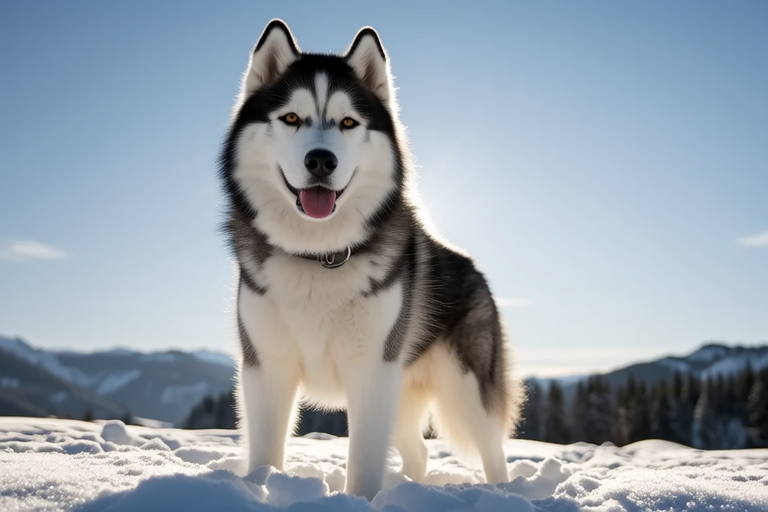
Siberian Huskies are medium-sized dogs known for their striking blue or brown eyes, which sometimes appear as one of each (heterochromia). Their thick, double coat provides excellent insulation against cold weather, with a soft undercoat and a coarser outer coat that comes in various colors, including black and white, grey and white, copper red and white, and pure white.
These dogs have a distinctive wolf-like appearance, with a wedge-shaped head, erect ears, and a curled tail. Their strong, muscular build is perfectly suited for their role as working dogs. Despite their imposing looks, Siberian Huskies are agile and graceful, with a lively gait that reflects their energy and spirit.
Temperament
Contrary to their fierce appearance, Siberian Huskies are generally friendly and gentle, making them great companions for families. They are known for their affectionate nature towards humans and other animals. However, due to their independent streak, they can be challenging to train and may require consistent, patient guidance from their owners.
Siberian Huskies are social dogs that thrive on interaction and attention. They enjoy being part of a pack and often form strong bonds with their human families. Their playful and energetic nature makes them excellent playmates for children, but they still require proper supervision to ensure safety for both the dog and the child.
Health
Despite their robust appearance, Siberian Huskies are prone to certain health issues. Hip dysplasia, a common condition affecting many large breeds, can cause discomfort and mobility problems. Regular veterinary check-ups and a balanced diet can help manage this condition.
Another concern for Siberian Husky owners is progressive retinal atrophy (PRA), a hereditary eye disease that can lead to blindness. Early detection and genetic testing can help identify carriers and prevent the spread of the disease within breeding lines.
To maintain optimal health, Siberian Huskies require regular exercise, a nutritious diet, and routine veterinary care. Proper grooming is also essential to keep their thick coats in good condition and prevent skin issues.
Tips for Potential Owners
Training
Training Siberian Huskies requires patience and consistency. Due to their independent nature, they may not always respond to commands immediately. Positive reinforcement techniques, such as treats and praise, are effective in encouraging desired behaviors. Socialization from an early age is crucial to ensure your Siberian Husky becomes a well-behaved and confident adult dog.
Consistency is key in training these dogs. Establishing clear rules and boundaries helps them understand what is expected of them. Training sessions should be short and fun to keep their attention and enthusiasm high. With time and dedication, Siberian Huskies can become obedient and responsive companions.
Exercise Needs
Siberian Huskies are high-energy dogs that require ample exercise to stay healthy and happy. Daily walks and playtime are essential to meet their physical and mental needs. Engaging activities, such as hiking, running, and playing fetch, can help burn off excess energy and prevent destructive behavior.
While Siberian Huskies are well-suited for cold weather, they can adapt to warmer climates with proper precautions. Providing access to shade, fresh water, and cooling options like fans or swimming pools can help keep them comfortable during hot days. It’s important to monitor their activity levels and adjust accordingly to avoid overheating.
Grooming
Siberian Huskies have a thick double coat that requires regular grooming to maintain its condition and prevent matting. Brushing them at least twice a week is recommended, especially during shedding season, when they lose their undercoat in large amounts. Using a slicker brush or a rake can help remove loose fur and distribute natural oils throughout the coat.
Bathing your Siberian Husky should be done sparingly, as frequent bathing can strip their coat of its natural oils. Instead, focus on spot cleaning and regular brushing to keep their coat clean and shiny. Pay special attention to their ears, eyes, and paws to prevent infections and ensure overall hygiene.
Dietary Requirements
Feeding a balanced diet is vital for the health and well-being of your Siberian Husky. High-quality dog food that meets their nutritional needs is essential. Look for foods that provide adequate protein, fat, and carbohydrates, along with vitamins and minerals. Consult with your veterinarian to determine the appropriate portion sizes based on your dog’s age, weight, and activity level.
Hydration is equally important, especially for active dogs. Always provide fresh, clean water to keep your Siberian Husky hydrated. During periods of intense exercise or hot weather, consider offering electrolyte-rich drinks or adding ice cubes to their water to help them cool down.
Why Siberian Huskies Are Popular Pets
Despite their challenging nature, Siberian Huskies have become popular pets for several reasons. Their striking appearance and unique eye color make them stand out among other breeds. Their friendly and affectionate nature towards family members and children endears them to many pet owners. Additionally, their intelligence and problem-solving abilities make them intriguing companions.
Siberian Huskies are also known for their loyalty and protective instincts, which can be comforting for families. Their adaptability to various living environments, including apartments and houses, makes them suitable for different types of households. Their playful and energetic demeanor adds a dynamic element to daily life, keeping owners engaged and entertained.
Myths About Siberian Huskies
There are several misconceptions surrounding Siberian Huskies that potential owners should be aware of. One common myth is that they are hyperactive and require constant supervision. While Siberian Huskies are energetic, they can be calm and relaxed when properly exercised and mentally stimulated. Another myth is that they are aggressive and difficult to handle. In reality, Siberian Huskies are generally friendly and trainable with the right approach.
It’s also important to note that Siberian Huskies are not suitable for everyone. Their independent nature and high exercise requirements mean they may not be the best choice for first-time dog owners or those with limited time and resources. Prospective owners should carefully consider their lifestyle and commitment before bringing a Siberian Husky into their home.
In conclusion, Siberian Huskies are a breed rich in history and full of character. Their contributions to sled racing and their role as loyal companions make them truly legendary. By understanding their unique characteristics and providing proper care, owners can enjoy a rewarding relationship with these magnificent dogs. Whether you’re a seasoned dog enthusiast or a first-time owner, Siberian Huskies offer a lifetime of adventure and companionship.
