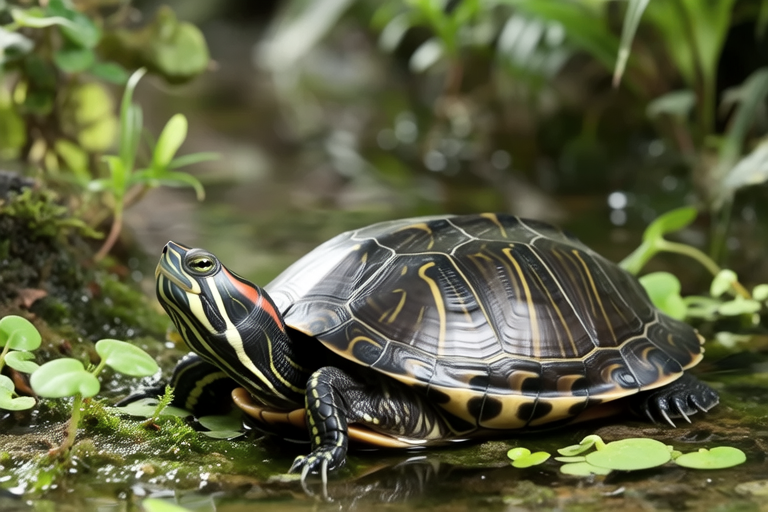
From Swamp to Home: How to Care for a Captive-Bred Three-Striped Box Turtle
The three-striped box turtle (Terrapene triunguis) is a small, land-dwelling turtle native to the southeastern United States. Known for its distinct three yellow stripes on each side of its head, this turtle is a popular choice among reptile enthusiasts. Caring for a captive-bred three-striped box turtle requires specific knowledge about their natural habitat, dietary needs, and health maintenance. This guide will walk you through everything you need to know to provide your turtle with a healthy and happy life.
Natural Habitat and Species Overview
Three-striped box turtles inhabit a range of environments, from open fields and woodlands to marshes and swamps. They are semi-aquatic, meaning they spend time both on land and in water. In the wild, these turtles enjoy a varied diet that includes insects, plants, fruits, and mushrooms. Their natural habitat provides them with the necessary nutrients and environmental stimuli, which must be replicated as closely as possible in captivity.
Understanding the species’ natural behaviors and needs is crucial for their care. Captive-bred three-striped box turtles are less stressed when introduced to a new environment compared to their wild counterparts, but they still require a carefully designed living space that mimics their natural habitat.
Ideal Housing Conditions
Tank Size
The size of the enclosure is one of the most important factors in turtle care. For a single adult three-striped box turtle, a minimum of 4 square feet of floor space is recommended. A larger enclosure is preferable, especially if you plan to house multiple turtles or provide more enrichment. The height of the enclosure should be sufficient to prevent escape, ideally at least 12 inches tall.
Lighting
Proper lighting is essential for the health of your turtle. UVB lighting is particularly important, as it helps the turtle synthesize vitamin D3, which is necessary for calcium absorption. Use a high-quality UVB bulb designed for reptiles and replace it every six months. The light should cover at least half of the enclosure and be placed within 12 inches of the basking area. Additionally, provide a heat lamp to maintain the correct temperature gradient.
Temperature
Three-striped box turtles thrive in temperatures ranging from 75°F to 85°F during the day and can tolerate cooler temperatures at night. It’s important to maintain a temperature gradient within the enclosure, allowing the turtle to regulate its body temperature by moving between warmer and cooler areas. Use a thermometer to monitor the temperature and adjust heating elements as needed.
Substrate
The substrate, or bedding material, should be safe, easy to clean, and mimic the turtle’s natural environment. Cypress mulch, coconut fiber, or eco-earth are good choices. Avoid substrates like sand or gravel, which can cause impaction if ingested. Keep the substrate dry to prevent bacterial growth and ensure it’s deep enough for the turtle to burrow into.
Proper Diet and Feeding Schedules
A balanced diet is key to maintaining your turtle’s health. Three-striped box turtles are omnivorous, requiring a mix of plant matter and animal protein. Offer a variety of foods, including leafy greens, fruits, vegetables, insects, and occasional pinkie mice or feeder fish. Commercial turtle pellets can supplement their diet but should not form the sole source of nutrition.
Feed adult turtles daily, providing as much food as they can consume in 15 minutes. Juveniles may require more frequent feedings, up to twice a day. Always remove uneaten food to prevent spoilage and contamination. Vitamins and mineral supplements can be added to the diet, but consult with a veterinarian before introducing any new products.
Health Maintenance and Common Diseases
Regular veterinary check-ups are essential for early detection and treatment of health issues. Common problems include shell rot, respiratory infections, and metabolic bone disease. Signs of illness may include lethargy, loss of appetite, swollen eyes, or abnormal breathing. If you notice any of these symptoms, contact a veterinarian specializing in reptiles immediately.
To prevent illness, maintain clean living conditions, provide appropriate lighting and temperature, and offer a balanced diet. Quarantine new turtles for at least 30 days before introducing them to existing pets to avoid the spread of diseases.
Handling and Socialization Tips
Handle your turtle gently and infrequently to minimize stress. Wash your hands before and after handling to prevent the spread of bacteria. Turtles can become accustomed to human interaction over time, but it’s important to respect their boundaries and avoid excessive handling.
Providing opportunities for socialization can enhance your turtle’s well-being. Introduce toys, tunnels, and other enrichments to stimulate their natural behaviors. Rotate these items periodically to keep the environment interesting and engaging.
Responsible Ownership Guidelines
Owning a three-striped box turtle comes with responsibilities. Research thoroughly before making a commitment, as these turtles can live for 30 years or more. Consider the long-term financial and time investment required for their care. Be prepared to adapt your living situation to accommodate the turtle’s needs.
Additionally, always purchase captive-bred turtles from reputable breeders to support ethical practices and reduce pressure on wild populations. Never release pet turtles into the wild, as this can disrupt local ecosystems and introduce diseases to native species.
Resources for Further Learning
To deepen your understanding of three-striped box turtle care, consider joining online forums, attending reptile expos, or consulting books and articles written by experts in the field. Local herpetological societies often host events and workshops that can provide valuable insights and networking opportunities.
Remember, the journey of caring for a three-striped box turtle is rewarding and educational. By providing a nurturing environment and staying informed, you can ensure your turtle enjoys a long and healthy life.
