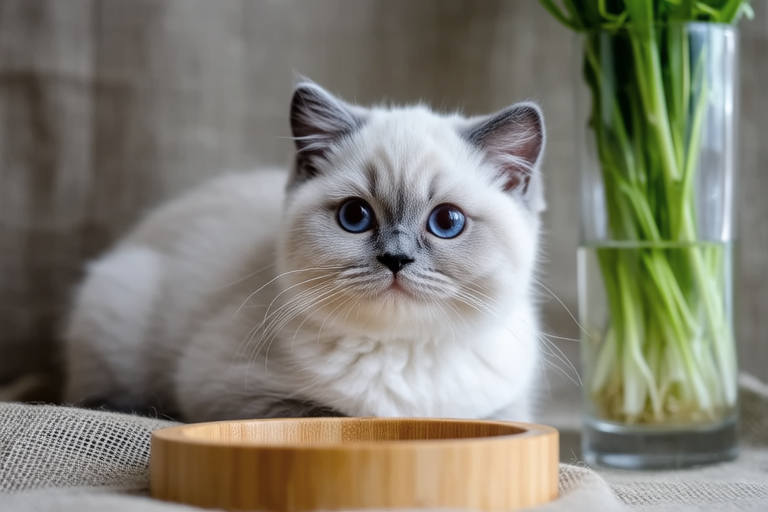
Adorable Chinchilla Care Tips That Will Make You Fall in Love
Welcome to the world of chinchillas! These small, fluffy creatures are not just adorable; they’re also incredibly unique. Known for their thick, soft fur and playful personalities, chinchillas have captured the hearts of many pet lovers. Their endearing behavior and low-maintenance lifestyle make them perfect companions for those who want a pet that is both charming and easy to care for. Whether you’re considering adopting one or already have a chinchilla as your furry friend, this guide will provide you with essential tips to ensure your chinchilla’s happiness and well-being.
Understanding Your Chinchilla: A Unique Pet
Chinchillas are native to the Andes Mountains in South America. They have adapted to live in high altitudes, which explains their thick fur that helps them regulate body temperature. This adaptation makes them sensitive to heat, so it’s crucial to keep their living environment cool. Chinchillas are nocturnal, meaning they are most active during the night, but don’t let that deter you from enjoying their company. With the right setup, you can share quality time with your chinchilla during the day too.
Proper Diet: Fueling Your Chinchilla’s Energy
A healthy diet is vital for any pet, and chinchillas are no exception. Their diet primarily consists of hay, pellets, and fresh water. Timothy hay is the best choice as it aids digestion and keeps teeth worn down, preventing overgrowth. Pellets formulated specifically for chinchillas should be offered in moderation, as excessive consumption can lead to obesity. Fresh vegetables and fruits can be given sparingly as treats. Always ensure that your chinchilla has access to clean, fresh water. A water bottle with a sipper tube is ideal, as it prevents contamination and spillage.
Habitat Setup: Creating a Safe and Comfortable Home
The habitat for your chinchilla should mimic its natural environment as closely as possible. A spacious cage with multiple levels is ideal, allowing your chinchilla to explore and exercise. The cage should be placed away from direct sunlight, drafts, and areas with high humidity. Use a solid-bottom cage to prevent injuries from wire floors. Line the bottom of the cage with dust-free bedding, such as paper-based products or wood shavings, ensuring they are safe for small animals. Include toys, tunnels, and platforms to encourage climbing and play. A wheel designed specifically for chinchillas can also be added for exercise.
Grooming Needs: Maintaining That Silky Fur
One of the most striking features of chinchillas is their luxurious fur. To maintain its health and appearance, regular grooming is necessary. Chinchillas take dust baths to clean themselves, using volcanic ash or specially formulated dust. Provide a shallow container filled with dust at least three times a week for about 15 minutes each session. Avoid bathing them with water, as it can damage their fur and lead to skin issues. Regular nail trimming is also important to prevent overgrowth and discomfort. Consult with a veterinarian on how to properly trim your chinchilla’s nails.
Exercise Requirements: Keeping Your Chinchilla Active
Despite their small size, chinchillas are very active and need plenty of exercise. In addition to providing a multi-level cage with toys, supervised out-of-cage time is recommended. Allow your chinchilla to roam in a safe, chinchilla-proofed area under supervision. Ensure there are no small objects that could be swallowed, toxic plants, or gaps where your chinchilla could get stuck. Exercise not only benefits their physical health but also reduces stress and enhances their overall well-being.
Common Health Issues: Keeping Your Chinchilla Healthy
Like all pets, chinchillas can face certain health challenges. Dental problems are common due to improper diet or genetics. Overgrown teeth can cause pain and difficulty eating. Regular check-ups with a veterinarian specializing in exotic animals are recommended. Respiratory infections can occur if the environment is too humid or dirty. Signs include sneezing, discharge from the nose or eyes, and lethargy. If you notice any of these symptoms, seek veterinary care immediately. Proper hygiene and maintaining a clean habitat can help prevent many health issues.
Bonding and Training: Building a Strong Relationship
Building a bond with your chinchilla takes time and patience. Begin by spending quiet time near their cage, allowing them to become accustomed to your presence. Gradually introduce gentle handling, offering treats as positive reinforcement. Training your chinchilla can be fun and rewarding. Teach them simple commands like coming when called or sitting on your hand. Use small, tasty treats to encourage desired behaviors. Remember, chinchillas are sensitive, so avoid rough handling or loud noises that might startle them.
Where to Adopt or Purchase a Chinchilla
If you’re ready to welcome a chinchilla into your home, consider adoption first. Many shelters and rescue organizations have chinchillas available for adoption. Purchasing from a reputable breeder is another option, ensuring the chinchilla comes from a healthy and ethical background. When choosing a breeder, ask questions about the chinchilla’s lineage, health records, and socialization. It’s also wise to visit the breeding facility to observe the conditions in which the chinchillas are raised.
Resources for Further Learning
Becoming a responsible chinchilla owner involves continuous learning. Books, online forums, and local clubs dedicated to small animal care can be valuable resources. Websites like the American Cavy Breeders Association and the National Chinchilla Breeders Association offer information and support for chinchilla enthusiasts. Joining a community of fellow chinchilla owners can provide practical advice and emotional support.
In conclusion, owning a chinchilla is a rewarding experience that requires dedication and knowledge. By following these care tips, you’ll ensure your chinchilla leads a happy, healthy life. Remember, every chinchilla is unique, so take the time to understand your pet’s individual needs. With love and proper care, you’ll form a deep bond with your chinchilla, making your life fuller and more joyful.
