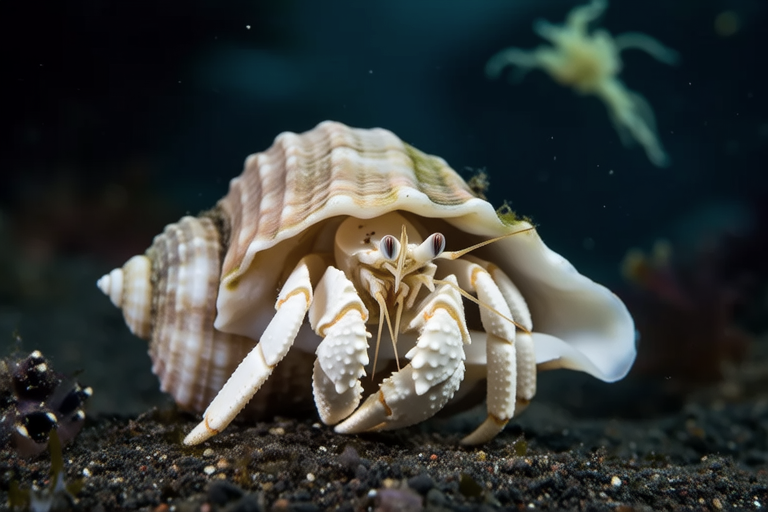
The Pea Crab Phenomenon: Tiny Powerhouses in Marine Ecosystems
In the vast and intricate world of marine ecosystems, there exists a remarkable partnership that has captured the attention of marine biologists and enthusiasts alike. This partnership is none other than the symbiotic relationship between pea crabs and their hosts. These tiny crustaceans, named for their resemblance to a pea in size, play a crucial role in maintaining the delicate balance of marine life. Let us delve into the fascinating world of pea crabs, exploring their symbiotic relationships, the diversity of species, their ecological significance, and the challenges they face.
The Symbiotic Relationship: A Dance of Dependence
Symbiosis, the close and long-term interaction between different biological species, comes in various forms, and the relationship between pea crabs and their hosts is a prime example of mutualism. Mutualism is a type of symbiosis where both organisms benefit from the relationship. In this case, pea crabs live inside the bodies of various marine animals, such as sea cucumbers, sea anemones, and even certain types of mollusks, including scallops, oysters, and clams.
Pea crabs are obligate commensals, meaning they cannot survive without their hosts. The host provides protection and sometimes food for the pea crab. In return, the pea crab can help clean the host’s body by consuming parasites or dead tissue. Additionally, some pea crabs may assist in reproductive processes by acting as a barrier against predators, thereby increasing the chances of successful reproduction for the host.
This relationship is particularly beneficial for the host because it can enhance its survival and reproductive success. For instance, in scallops, pea crabs have been observed to protect the gonads of their hosts, ensuring the scallop’s ability to reproduce effectively. This mutualistic relationship underscores the intricate interdependencies within marine ecosystems.
Diversity of Pea Crab Species: A Hidden World of Varieties
Pea crabs belong to the family Pinnotheridae, which includes over 100 species distributed across the globe. These crabs are found in diverse marine habitats, from shallow coastal waters to deeper ocean floors. Each species has adapted to live with specific hosts, showcasing the remarkable adaptability of these tiny creatures.
One notable species is Pinnixa fabulosa, commonly known as the scallop pea crab. As its name suggests, it lives inside scallops and is well-adapted to the scallop’s lifestyle. Another interesting species is Pinnixa littoralis, which inhabits sea anemones. These pea crabs are often seen waving their claws, which helps them catch small particles of food floating in the water.
The diversity of pea crab species highlights the complexity of marine ecosystems. Each species has evolved unique adaptations to thrive within its specific host environment, contributing to the overall biodiversity of marine life.
The Role of Pea Crabs in Maintaining Ecological Balance
Pea crabs play a vital role in maintaining the balance of marine ecosystems. By living inside their hosts, pea crabs help regulate populations of parasites and harmful microorganisms. They also contribute to nutrient cycling within their host environments, enhancing the overall health of marine ecosystems.
For instance, when pea crabs consume parasites and dead tissue from their hosts, they reduce the load of harmful substances that could otherwise harm the host. This process not only benefits the individual host but also contributes to the broader health of the ecosystem. Moreover, pea crabs’ feeding habits can influence the distribution and abundance of prey species, further illustrating their impact on marine food webs.
In addition to their direct effects on host health, pea crabs also serve as a food source for larger marine animals. Their presence in the diet of predators can indirectly affect the population dynamics of other species, highlighting the interconnectedness of marine life.
Recent Scientific Discoveries and Challenges Facing Pea Crabs
Recent scientific studies have shed light on new aspects of pea crab biology and ecology, offering valuable insights into their role in marine ecosystems. One significant discovery is the identification of new species and the expansion of known distributions for existing species. This research has helped scientists better understand the global diversity of pea crabs and their ecological roles.
However, pea crabs face several threats that could jeopardize their existence and the ecosystems they support. Habitat destruction, pollution, and climate change are among the most pressing concerns. Coastal development, for example, can destroy the habitats of many pea crab hosts, reducing the availability of suitable living spaces for these tiny crustaceans.
Moreover, pollution, particularly from agricultural runoff and industrial waste, can introduce harmful chemicals into marine environments. These pollutants can accumulate in the tissues of pea crabs and their hosts, potentially causing health issues and reducing reproductive success. Climate change, with its associated changes in temperature and ocean chemistry, poses additional challenges by altering the suitability of habitats for pea crabs and their hosts.
The Importance of Pea Crabs in Ecological Health and Biodiversity
The significance of pea crabs in ecological health and biodiversity cannot be overstated. As mutualistic partners in marine ecosystems, they contribute to the overall stability and resilience of these environments. Their role in regulating parasite populations and enhancing nutrient cycling helps maintain the health of their hosts and the broader marine community.
Furthermore, the diversity of pea crab species reflects the richness and complexity of marine life. Each species represents a unique adaptation to its host environment, contributing to the biodiversity of marine ecosystems. Protecting pea crabs and their hosts is essential for preserving the intricate web of life in our oceans.
In conclusion, pea crabs are tiny powerhouses in marine ecosystems, playing a crucial role in maintaining ecological balance and supporting biodiversity. Their symbiotic relationships with hosts, the diversity of species, and their contributions to nutrient cycling and pest control underscore their importance. However, the threats posed by habitat destruction, pollution, and climate change highlight the need for conservation efforts to protect these remarkable creatures and the ecosystems they inhabit.
