The Captivating World of Arowana: Scales, Behavior, and Cultural Significance
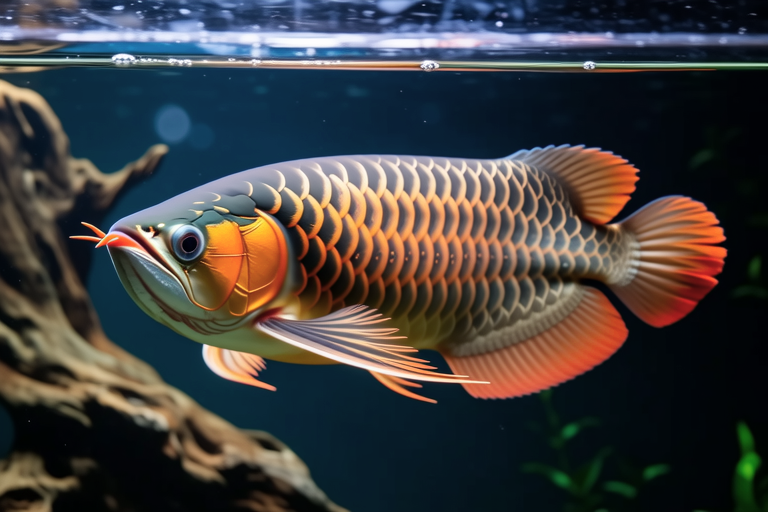
The arowana, also known as dragonfish, is an ancient and majestic creature that has captivated humans for centuries. These fish are renowned for their mesmerizing scales, which not only add to their visual appeal but also serve significant functions in their aquatic environment. Their scales are intricately designed, offering protection and facilitating movement. Additionally, the arowana’s scales have cultural and historical importance, particularly in Southeast Asia.
Unique Physical Characteristics of Arowana Scales
Arowanas possess large, overlapping scales that are often iridescent and display a metallic sheen. This shimmering appearance is due to the presence of guanine crystals embedded within the scales, which reflect light in various directions. The scales are also covered with tiny sensory organs called neuromasts, which help the fish detect vibrations in the water, aiding in prey detection and navigation. These scales are incredibly strong and durable, providing excellent protection against predators and injuries. Furthermore, the scales play a crucial role in thermoregulation, allowing the fish to maintain optimal body temperature in varying water conditions.
The Significance of Scales in the Fish’s Environment
In their natural habitats, arowanas use their scales to navigate through dense vegetation and avoid entanglement. The scales’ smooth surface reduces friction, enabling swift movements through aquatic environments. Additionally, the scales act as armor, shielding the fish from potential harm caused by sharp objects or other fish. The scales’ coloration can also serve as camouflage, helping the arowana blend into its surroundings and avoid detection by predators. In some cases, the scales may even change color slightly to match the lighting conditions, further enhancing their ability to remain inconspicuous.
Cultural and Historical Importance
In Southeast Asian cultures, arowanas are considered symbols of good luck and prosperity. They are often associated with wealth and success, making them popular choices for ornamental ponds and aquariums. In Chinese culture, arowanas are believed to bring financial fortune and protect homes from evil spirits. The fish’s reputation as a guardian extends beyond mere superstition; their impressive size and strength make them formidable creatures that command respect. Historically, arowanas have been depicted in art and literature, symbolizing power and resilience.
Peculiar Behaviors of Arowana
Arowanas exhibit several fascinating behaviors that set them apart from other fish species. One of the most notable traits is their ability to leap out of the water to catch flying insects, small birds, or even bats. This behavior, known as “surface feeding,” is a testament to their agility and adaptability. In addition to their jumping prowess, arowanas are known for their territorial nature. They establish and defend specific areas within their habitat, often engaging in aggressive displays to ward off intruders. These behaviors are crucial for survival in the wild, where competition for resources and mates is intense.
Interactions Within Their Habitat
Arowanas are highly social animals that form complex relationships within their communities. They communicate through a series of body movements, fin displays, and vocalizations. These interactions play a vital role in establishing hierarchies and maintaining social order. In the wild, arowanas live in groups called shoals, where they work together to find food and protect themselves from predators. In captivity, it is essential to provide ample space and hiding spots to accommodate their need for personal space and reduce stress.
Care Requirements for Aquarium Enthusiasts
Maintaining arowanas in an aquarium requires careful consideration of their specific needs. These fish require spacious tanks with plenty of swimming room and ample filtration to ensure clean water. Arowanas thrive in temperatures between 78°F and 84°F (25°C and 29°C) and prefer slightly acidic to neutral water conditions. It is crucial to provide a varied diet consisting of high-quality pellets, live or frozen foods, and occasional treats like feeder fish or insects. Regular water changes and monitoring of water parameters are essential to maintain optimal health.
Challenges in Maintaining Arowana
One of the primary challenges in keeping arowanas is ensuring their tank is appropriately sized. Due to their large size and active nature, arowanas require significantly larger tanks than many other fish species. Another challenge is meeting their dietary requirements, as arowanas are carnivorous and require a balanced diet rich in protein. Providing a variety of foods and ensuring proper nutrition can be time-consuming but necessary for their well-being. Additionally, arowanas can be territorial and aggressive towards other fish, especially those of similar size or species, making tankmates selection critical.
Behavior in Captivity vs. the Wild
While arowanas exhibit many of the same behaviors in captivity as they do in the wild, there are some differences. In captivity, arowanas tend to be less active and may spend more time resting near the surface. This reduced activity level can lead to weight gain if not managed properly through diet and exercise. In the wild, arowanas are constantly on the move, searching for food and avoiding predators. This difference in activity levels can affect their overall health and longevity. Additionally, captive arowanas may engage in less surface feeding due to limited access to flying prey, relying more on food provided by their caretakers.
Myths and Misconceptions
Despite their popularity, there are several myths and misconceptions surrounding arowanas. One common myth is that arowanas can predict the future or bring good luck to their owners. While these beliefs are rooted in cultural traditions, they lack scientific evidence. Another misconception is that arowanas are easy to care for, when in reality, they require specialized care and attention. It is important for potential owners to research and understand the true demands of keeping arowanas before committing to this responsibility.
Conclusion
The arowana is a truly remarkable fish with a rich history and cultural significance. Their mesmerizing scales, peculiar behaviors, and complex social interactions make them a fascinating subject for study and admiration. For aquarium enthusiasts, caring for arowanas presents both challenges and rewards. By understanding their unique needs and providing appropriate care, aquarists can enjoy the beauty and wonder of these ancient creatures. Whether observed in the wild or in captivity, arowanas continue to captivate and inspire, leaving a lasting impression on all who encounter them.
