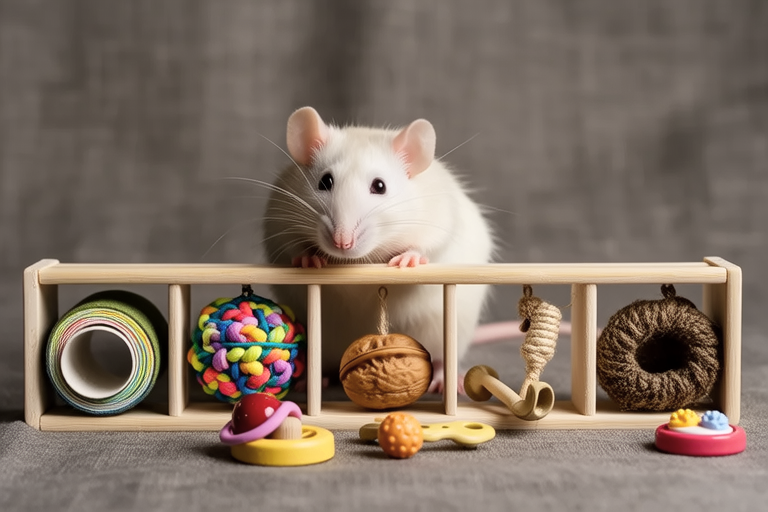
Top 10 Toys Every Fancy Rat Needs In Its Life
Fancy rats, also known as domesticated rats, are intelligent and social creatures that require mental and physical stimulation to thrive. Providing your pet with a variety of toys can significantly enhance their quality of life by promoting exercise, stimulating natural behaviors, and providing entertainment. This article will explore the top ten toys every fancy rat needs in its life, detailing their benefits for physical and mental health, materials used, safety considerations, and sizes suitable for these delightful rodents.
1. Chew Toys
Benefits: Rats have strong incisors that grow continuously throughout their lives. Providing chew toys helps them wear down their teeth naturally, preventing overgrowth and related health issues. Additionally, chewing is a natural behavior for rats, offering mental stimulation and stress relief.
Materials: Safe wood, cardboard, or untreated natural fibers are ideal materials for chew toys. Avoid plastics, metals, and painted objects, as they may be toxic or cause choking hazards.
Sizes: Toys should be large enough to allow the rat to gnaw comfortably but small enough to fit into their mouths. A good rule of thumb is to choose items that are approximately the size of a small mouse.
2. Exercise Wheels
Benefits: Exercise wheels provide an excellent opportunity for rats to engage in aerobic activity, which strengthens their cardiovascular system and muscles. Regular exercise also aids in maintaining a healthy weight and reduces the risk of obesity-related diseases.
Materials: Solid-surface wheels made from plastic or metal are recommended to prevent injury from slipping through gaps. Avoid wire wheels, as they can trap tails or paws.
Sizes: Wheels should be at least 8 inches in diameter to accommodate larger rats comfortably. Smaller wheels may be suitable for younger rats, but upgrading to a larger size as they grow is essential.
3. Tunnels and Hideouts
Benefits: Tunnels and hideouts offer rats a safe space to retreat when feeling overwhelmed or stressed. These structures stimulate exploration and curiosity, encouraging natural foraging behaviors. They also provide opportunities for social interaction among multiple rats.
Materials: Tunnels and hideouts can be made from various materials, including plastic, cardboard, or fabric. Ensure all edges are smooth and rounded to avoid injuries. Cardboard tunnels are biodegradable and can be easily replaced when soiled.
Sizes: Tunnels should be long enough to allow rats to crawl through comfortably, with diameters ranging from 2 to 4 inches. Hideouts should be spacious enough for the rat to turn around inside and feel secure.
4. Ladders and Bridges
Benefits: Ladders and bridges encourage climbing, which strengthens muscles and improves coordination. Climbing activities mimic natural behaviors found in wild environments, where rats often navigate complex terrains. These structures also promote mental engagement and problem-solving skills.
Materials: Non-toxic woods, such as pine or bamboo, are suitable for ladders and bridges. Ensure all parts are securely fastened to prevent accidents. Avoid slippery surfaces that could lead to falls.
Sizes: Ladders and bridges should be proportionate to the size of your rat, with rungs spaced about half an inch apart. The overall height and length should allow for easy navigation without causing strain.
5. Balls and Baskets
Benefits: Balls and baskets offer fun playtime activities that promote agility and balance. These toys stimulate natural behaviors like running, jumping, and playing fetch. They also encourage social interaction between humans and rats, strengthening the bond between owner and pet.
Materials: Soft, non-abrasive fabrics are best for balls and baskets. Look for toys that are machine washable for easy cleaning. Avoid toys with small parts that could be swallowed or sharp edges that might cause injury.
Sizes: Balls should be large enough to roll easily underfoot but not so big that they become cumbersome. Baskets should have openings wide enough for rats to enter and exit comfortably.
6. Puzzle Feeders
Benefits: Puzzle feeders challenge rats mentally by requiring them to solve problems to access food rewards. This type of enrichment enhances cognitive abilities, reduces boredom, and encourages natural foraging behaviors. It also helps control portion sizes, aiding in weight management.
Materials: Food-safe plastics, wood, or ceramic are suitable materials for puzzle feeders. Ensure all components are durable and free from harmful chemicals. Avoid toys with small parts that could break off and pose choking hazards.
Sizes: Puzzle feeders should be appropriately sized for the rat’s head and paws, allowing easy manipulation but not too small to cause frustration.
7. Hammocks and Platforms
Benefits: Hammocks and platforms provide resting spots within the enclosure, mimicking natural habitats where rats seek refuge. These structures promote relaxation and reduce stress levels. They also encourage climbing and jumping, contributing to overall fitness.
Materials: Natural fibers, such as cotton or hemp, are ideal for hammocks. Ensure the material is soft yet sturdy to support the rat’s weight. Platforms can be made from wood or plastic, ensuring they are stable and non-slippery.
Sizes: Hammocks should be large enough for the rat to stretch out fully. Platforms should offer sufficient space for the rat to stand and move around comfortably.
8. Mirrors and Reflections
Benefits: Mirrors and reflective surfaces stimulate curiosity and social interaction in rats. They perceive their reflections as potential companions, leading to increased activity and engagement. This type of enrichment can alleviate loneliness and promote mental well-being.
Materials: Use shatterproof mirrors designed for pets to ensure safety. Place mirrors strategically within the enclosure to create interesting visual stimuli.
Sizes: Mirrors should be large enough to reflect the entire body of the rat clearly. Small mirrors may not provide adequate visual feedback.
9. Scent Marking Toys
Benefits: Scent marking is an important aspect of rat communication. Providing toys that allow scent marking satisfies this instinctive behavior while reducing stress. It also helps establish territories within the enclosure, promoting harmony among multiple rats.
Materials: Untreated wood, cardboard, or fabric are suitable materials for scent marking toys. Ensure all surfaces are clean and free from harmful substances.
Sizes: Toys should be large enough for rats to rub against comfortably but small enough to fit into their enclosures.
10. Water Play Toys
Benefits: Water play toys, such as water bottles or misters, introduce novelty into the environment and encourage exploration. They also help maintain hydration, especially during hot weather. However, ensure that any water-based toys are used safely and cleaned regularly to prevent bacterial growth.
Materials: Plastic or stainless steel containers are ideal for water play toys. Ensure all parts are dishwasher-safe for easy cleaning. Avoid porous materials that could harbor bacteria.
Sizes: Containers should be shallow enough for rats to drink from comfortably but deep enough to hold an appropriate amount of water.
Conclusion
Incorporating a variety of toys into your fancy rat’s life is crucial for their overall well-being. Each of the ten toys discussed above offers unique benefits for physical and mental health, stimulating natural behaviors, promoting exercise, and providing entertainment. By choosing appropriate materials, sizes, and safety measures, you can create a stimulating and enriching environment that keeps your rat happy and healthy. Whether you’re a new or experienced rat owner, investing in high-quality toys will undoubtedly enhance your pet’s quality of life.
