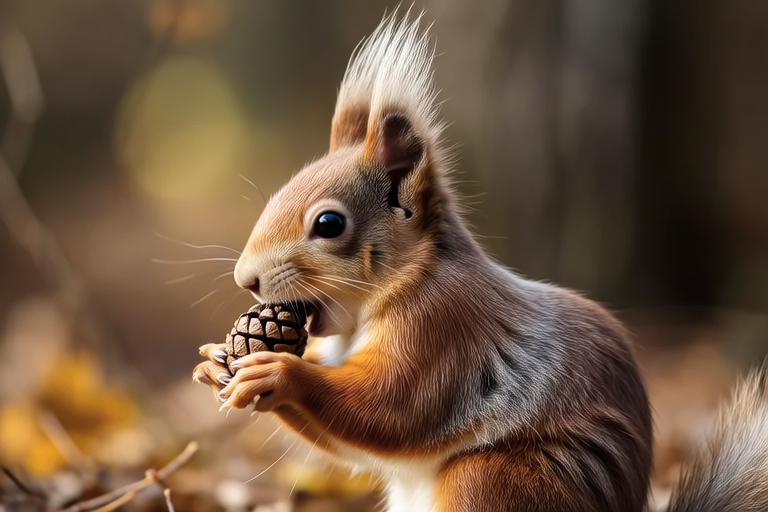
The Secret Life of Squirrels
Squirrels are ubiquitous in our parks, gardens, and forests, yet their lives remain largely hidden from human eyes. These nimble creatures are not just cute rodents; they are fascinating animals with complex behaviors, social structures, and remarkable survival strategies. From their foraging habits to their ability to adapt in various environments, squirrels offer an intriguing glimpse into the world of small mammals. This article delves into the secret life of squirrels, exploring their behaviors, habitats, communication methods, and interactions within their ecosystems.
Habitats and Adaptations
Depending on the species, squirrels inhabit diverse environments, ranging from tropical rainforests to arid deserts. The most common type, the Eastern Gray Squirrel, thrives in deciduous forests across North America. They have adapted to urban settings as well, finding homes in city parks and suburban neighborhoods. Their agility and dexterity allow them to navigate trees and power lines with ease, making them adept at exploiting both natural and artificial structures.
One of the most impressive physical adaptations of squirrels is their bushy tail, which serves multiple purposes. It acts as a rudder when jumping between branches, provides balance, and can be used as a blanket or umbrella depending on the weather. Additionally, squirrels possess sharp claws that help them grip tree trunks and branches securely. Their keen sense of smell allows them to locate buried nuts and seeds, even under layers of snow, while their excellent hearing helps them detect approaching predators.
Foraging Behavior
Foraging is a critical activity for squirrels, ensuring they have enough energy to survive and reproduce. Nibbling on acorns, hazelnuts, and other seeds, squirrels spend a significant portion of their day searching for food. They are opportunistic feeders, meaning they will eat whatever is available, including insects, fungi, and occasionally bird eggs. However, their diet primarily consists of plant material, especially during autumn when they gather and store large quantities of nuts for winter.
Squirrels have developed sophisticated caching techniques to ensure food availability throughout the year. They bury nuts and seeds in scattered locations, creating what is known as a larder. This behavior not only benefits the squirrel but also aids in forest regeneration by dispersing seeds across the landscape. Some studies suggest that squirrels may even engage in strategic deception, digging up and re-burying cached items to prevent theft by other animals.
Communication Methods
Despite their solitary nature, squirrels communicate extensively through vocalizations and body language. They produce a variety of chirps, barks, and chatters to warn others of potential threats or signal danger. These calls vary in pitch and duration, allowing squirrels to convey specific messages. For example, a high-pitched alarm call might indicate the presence of a predator like a hawk or a cat, while a lower frequency sound could signal a ground-based threat such as a fox.
In addition to vocal cues, squirrels rely heavily on visual signals for communication. They flick their tails rapidly when alarmed or agitated, serving as a warning to nearby squirrels. Tail flicking also plays a role in courtship displays during mating season. Male squirrels perform elaborate tail-flicking routines to attract females, showcasing their fitness and readiness to mate.
Seasonal Activities
The life of a squirrel is closely tied to the changing seasons. In spring, after emerging from their winter dens, squirrels focus on establishing territories and finding mates. Mating occurs during this time, with males competing for females through aggressive displays and vocal contests. After a gestation period of around 44 days, female squirrels give birth to litters of two to six offspring, called kits. Newborn squirrels are blind and hairless, relying entirely on their mother for warmth and nourishment.
Summer marks the peak of activity for squirrels, who spend much of their time gathering food for storage. This period is crucial for building fat reserves and preparing for the upcoming winter. As autumn approaches, squirrels become increasingly focused on caching food. They dig shallow holes in the ground and bury nuts and seeds, covering them with leaves or soil to conceal their location from potential thieves. By the time winter arrives, squirrels have amassed sufficient resources to sustain them through the colder months.
Interactions Within Ecosystems
Squirrels play important roles within their ecosystems, influencing plant communities and shaping landscapes. Through their caching behavior, they contribute to seed dispersal, promoting forest regeneration and biodiversity. Some plants, such as oak trees, depend on squirrels for reproduction since they rely on these animals to bury acorns far from the parent tree.
However, squirrels can also have negative impacts on certain species. For instance, they may prey on bird eggs and nestlings, reducing avian populations in some areas. Furthermore, competition for food sources between squirrels and other wildlife, such as deer and rabbits, can lead to resource depletion and ecological imbalances. Despite these challenges, squirrels remain integral components of many ecosystems, contributing to overall ecosystem health and resilience.
Problem-Solving Skills
Squirrels are renowned for their problem-solving abilities, particularly when it comes to accessing food. They exhibit remarkable ingenuity in overcoming obstacles, whether it’s opening tightly sealed containers or bypassing traps set by humans. One famous example involves squirrels learning how to open bird feeders designed to deter them. By observing the mechanics of the feeder, they discovered that pulling on the metal tabs would release the seed tray, granting them access to the coveted treats inside.
Another demonstration of their intelligence is their ability to remember cache locations. Studies have shown that squirrels can recall where they stored thousands of individual nuts and seeds over extended periods. This impressive memory capacity enables them to efficiently retrieve stored food during times of scarcity, ensuring their survival even in harsh conditions.
Social Structures
While generally solitary creatures, squirrels do form temporary bonds during mating season and engage in communal activities when resources are abundant. Female squirrels establish maternal nests, known as dreys, where they raise their young until they are old enough to venture out independently. These nests are constructed from twigs, leaves, and moss, providing shelter and protection for the vulnerable kits.
Males, on the other hand, tend to be more nomadic, traveling long distances in search of suitable mates. They compete fiercely for females, engaging in aggressive confrontations that can result in injury or death. Once mating is complete, male squirrels resume their solitary lifestyle, venturing into new territories in search of additional opportunities.
Despite their solitary nature, squirrels do interact socially when necessary. They cooperate during territorial disputes, forming alliances against intruders. Additionally, squirrels exhibit altruistic behavior towards kin, helping siblings or offspring find food and defend against predators. These social interactions highlight the complexity of squirrel relationships and challenge the notion of them being entirely independent animals.
Conclusion
The secret life of squirrels reveals a world of intricate behaviors, remarkable adaptations, and surprising intelligence. From their foraging habits to their communication methods, these creatures offer valuable insights into the workings of nature. By understanding the role of squirrels within their ecosystems, we gain a deeper appreciation for the interconnectedness of all living things. So next time you spot a squirrel scurrying through the trees, take a moment to appreciate the fascinating creature behind its playful exterior.
