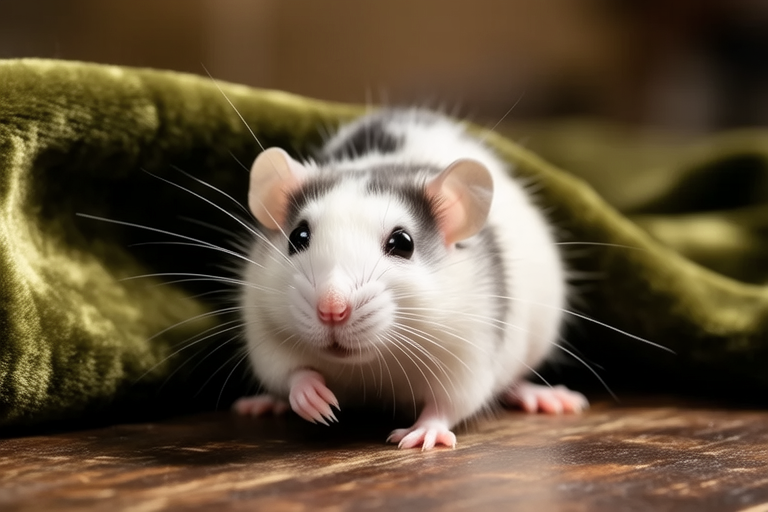
Fancy Rats: The Ultimate Guide for New Pet Owners
Welcome to the wonderful world of fancy rats! These intelligent, social, and playful creatures make fantastic pets for people of all ages. If you’re considering adding a fancy rat to your family, this comprehensive guide will help you understand what it takes to provide a happy, healthy life for your new furry friend.
Introduction to Fancy Rats as Pets
Fancy rats, also known as domesticated brown rats, are descendants of wild rats but have been selectively bred over centuries to create a wide variety of coat colors, patterns, and sizes. They are highly social animals that thrive on interaction with both humans and other rats. Their small size makes them ideal for apartment living, and their intelligence means they can be trained to perform simple tricks. With proper care, fancy rats can live up to three years, providing companionship and entertainment for several years.
Care Requirements
Housing
Proper housing is essential for your rat’s well-being. A spacious cage with plenty of room for exercise and exploration is key. The minimum recommended size for a single rat is 18 inches by 24 inches by 12 inches high, but larger is always better, especially if you plan to house multiple rats together. Opt for a wire cage with solid flooring to prevent injuries from sharp edges or wires. Provide soft bedding such as paper-based bedding or fleece liners for comfort and ease of cleaning. Include ramps, platforms, and toys to encourage climbing and playing.
Diet
A balanced diet is crucial for your rat’s health. Feed a high-quality rat pellet mix as the base of their diet, supplemented with fresh fruits and vegetables. Avoid feeding sugary treats excessively, as they can lead to obesity and dental problems. Always provide clean, fresh water daily, either through a sipper bottle or a heavy water bowl.
Health Needs
Regular veterinary check-ups are important for maintaining your rat’s health. Common health issues include respiratory infections, tumors, and dental problems. Keep an eye out for signs of illness such as lethargy, loss of appetite, discharge from the eyes or nose, or changes in bathroom habits. Early intervention can often prevent serious complications.
Common Behaviors and How to Interpret Them
Rats communicate through body language and vocalizations. Understanding these signals can help you bond with your pet and ensure their well-being. For example, tail flicking usually indicates excitement or curiosity, while teeth grinding might signal pain or discomfort. Learning to recognize these cues allows you to respond appropriately to your rat’s needs.
Tips for Handling and Training
Handling your rat gently and frequently helps build trust. Start by letting them get used to your scent by placing your hand inside the cage. Once they feel comfortable, offer treats and slowly begin to pick them up. Training rats involves positive reinforcement techniques like clicker training or rewarding good behavior with small treats. This not only strengthens the bond between you but also provides mental stimulation.
Enrichment Activities
To keep your rat mentally stimulated, offer various toys and activities. Puzzle feeders challenge their problem-solving skills while providing tasty rewards. Rotating different types of toys keeps things interesting and prevents boredom. Creating tunnels or mazes with cardboard boxes encourages exploration and physical activity.
Common Health Issues and Prevention Methods
Respiratory infections are among the most common ailments affecting fancy rats. Symptoms include sneezing, wheezing, or nasal discharge. Maintaining optimal cage hygiene and avoiding overcrowding can reduce the risk. Dental issues may arise due to improper chewing opportunities; ensure there are enough chewable items available. Regularly inspect your rat’s teeth and consult a vet if you notice any abnormalities.
Advice on Choosing the Right Rat as a Pet
When selecting a fancy rat, consider factors like age, temperament, and compatibility with existing pets. Younger rats tend to be more energetic and easier to train, while older ones might be calmer but less inclined towards learning new tricks. Spend time observing potential pets before making a decision to ensure you choose one that fits your lifestyle and preferences.
Concluding Remarks on the Joys of Owning a Fancy Rat
Owning a fancy rat can bring immense joy and companionship into your home. These intelligent, affectionate animals form strong bonds with their human caregivers and offer endless opportunities for play and learning. By providing proper care, attention, and enrichment, you’ll create a loving environment where your rat can flourish. Enjoy the journey of raising these delightful creatures and cherish every moment spent together.
