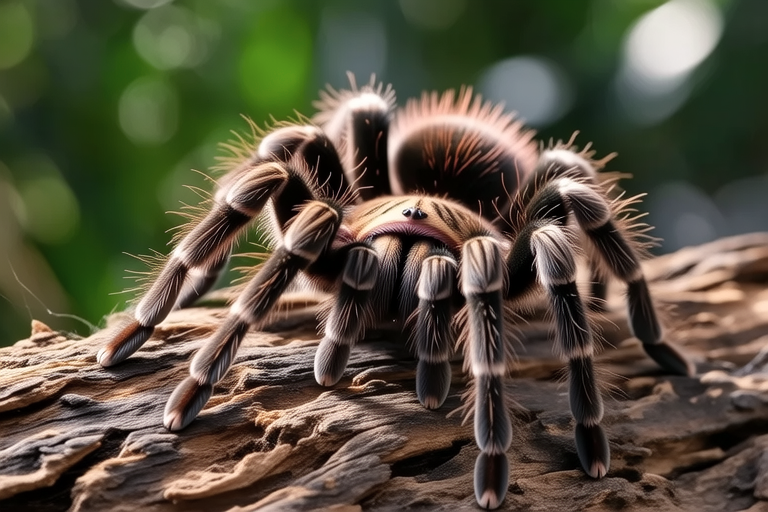
Meet the Spiders That Make Great Pets: The Fascinating World of Tarantulas!
Welcome to the enchanting world of tarantulas! These eight-legged wonders have long been shrouded in mystery and fear, but they are also some of the most captivating creatures you could bring into your home. Tarantulas make excellent pets for those who appreciate the unique and the unusual, offering a window into the fascinating lives of these misunderstood arachnids. This article will guide you through the world of tarantulas, highlighting why they make great pets, introducing you to different species suitable for pet ownership, and providing essential care tips for beginners.
Why Tarantulas Make Great Pets
Tarantulas are often overlooked as potential pets, but they offer a wealth of benefits for the right owner. They are low-maintenance compared to many other pets, requiring minimal attention and no daily feeding schedules. Their fascinating behaviors, from molting to hunting, provide endless opportunities for observation and learning. Additionally, tarantulas come in a variety of colors and sizes, making them visually striking and unique additions to any home.
Different Species Suitable as Pets
The diversity within the tarantula family is staggering, with over 900 recognized species. For beginners, it’s important to choose a species that is hardy and easy to care for. Here are a few popular choices:
- Baby Pink Toe Tarantula (Avicularia avicularia): Known for its bright pink legs and gentle demeanor, this species is a favorite among beginners.
- Brown Recluse Tarantula (Hapalopus sp.): A smaller species that is relatively easy to care for and has a docile temperament.
- Bolivian Rose Tarantula (Grammostola rosea): A medium-sized species with beautiful pinkish hues, known for its calm nature.
Each species has its own set of characteristics, so it’s crucial to research thoroughly before selecting your tarantula companion.
Care Requirements
Proper care is essential for ensuring your tarantula thrives in captivity. Below are some key considerations:
Housing
Your tarantula needs a secure enclosure that mimics its natural habitat. The size of the enclosure depends on the species, but a general rule is to provide at least 3-4 times the length of the tarantula in height and width. A glass or plastic tank with a secure lid is ideal. Include substrate such as coconut fiber or peat moss to allow burrowing, and add hiding spots like cork bark or half logs.
Temperature and Humidity
Maintaining the correct temperature and humidity levels is crucial. Most tarantulas thrive in temperatures between 75°F and 85°F (24°C to 29°C). Humidity should range from 60% to 80%, depending on the species. Use a hygrometer to monitor humidity and a thermometer for temperature.
Feeding
Tarantulas are carnivorous and primarily feed on live insects. Crickets, mealworms, and dubia roaches are common choices. Feed juveniles every 5-7 days, while adults may only require feeding once every two weeks. Always ensure prey items are appropriately sized for your tarantula.
Molting
Molting is a natural process where the tarantula sheds its exoskeleton. During this time, your tarantula will need extra moisture. Increase humidity slightly and avoid disturbing the tarantula until the process is complete. Molting can take several hours, and during this time, your tarantula is vulnerable, so it’s important to handle it carefully.
Myths Versus Realities
Tarantulas have long been associated with numerous myths and misconceptions. Let’s debunk some of the most common ones:
- Myth: Tarantulas are deadly venomous. Reality: While tarantulas can bite, their venom is generally no more dangerous than a bee sting to humans. Their bites are used primarily for subduing prey.
- Myth: All tarantulas are aggressive. Reality: Many tarantula species are docile and can be handled with care. However, always respect your tarantula’s boundaries and avoid provoking it.
- Myth: Tarantulas are solitary and antisocial. Reality: While tarantulas are generally solitary, they can exhibit social behaviors, especially during mating seasons.
Tips for Beginners
If you’re new to tarantula ownership, here are some tips to help you get started:
- Do Your Research: Before bringing a tarantula home, familiarize yourself with its specific needs and behaviors. Understanding your tarantula’s species is key to providing the best care.
- Start with a Beginner-Friendly Species: Choose a species that is known for being docile and easy to care for.
- Provide a Comfortable Environment: Ensure the enclosure is spacious, well-ventilated, and has appropriate substrate and hiding spots.
- Handle with Care: While some tarantulas can be handled, always approach them gently and with respect. Avoid sudden movements and never grasp them by their legs.
Unique Behaviors and Characteristics
Tarantulas are fascinating creatures, each with unique behaviors and characteristics that make them truly captivating:
Camouflage
Many tarantulas have evolved to blend seamlessly into their surroundings. Some species, like the Pink Toe, have coloring that mimics the bark of trees, helping them remain hidden from predators and prey alike.
Defensive Behavior
When threatened, tarantulas may use their urticating hairs as a defense mechanism. These tiny barbed hairs can cause irritation if they come into contact with skin or eyes. It’s important to wear gloves when handling tarantulas to avoid accidental exposure.
Molting
Molting is a remarkable process that showcases the resilience of these creatures. During molting, the tarantula sheds its old exoskeleton, revealing a new, soft one underneath. This process can take several hours, and it’s a testament to the tarantula’s ability to adapt and grow.
Social Behavior
While tarantulas are generally solitary, some species exhibit social behaviors. For example, during mating season, male tarantulas may engage in elaborate courtship dances to attract females. Females, in turn, may care for their young for extended periods, nurturing them and protecting them from harm.
Conclusion
Tarantulas are far more than just creepy crawlies—they are complex, fascinating creatures that can bring joy and wonder to any household. By understanding their unique needs and behaviors, you can provide a loving and enriching environment for your tarantula companion. Whether you’re drawn to their vibrant colors, their intriguing behaviors, or simply their role as low-maintenance pets, tarantulas offer a world of discovery for those willing to explore. Remember, responsible ownership means providing the best possible care for your pet, ensuring they lead healthy and happy lives. Happy tarantula keeping!
