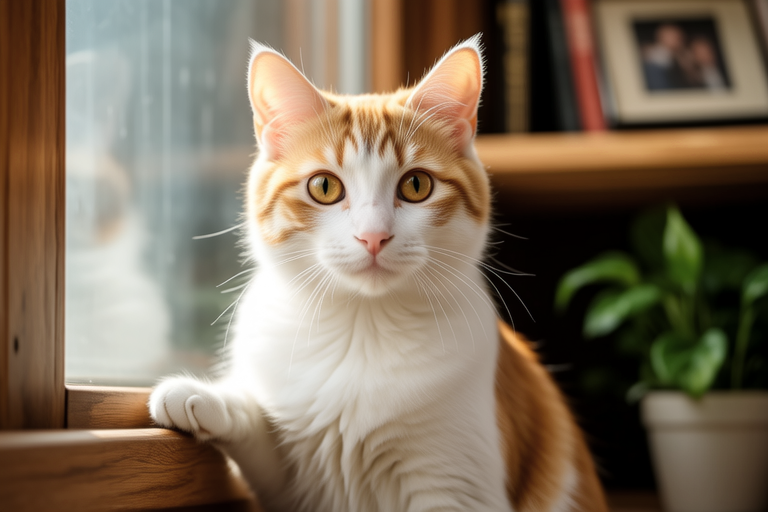
Orange Cats and Their Unique Personalities: What Owners Adore About Them
When it comes to feline companions, orange cats stand out for their vibrant coats and distinct personalities. These cats, often associated with warmth and friendliness, have captured the hearts of many pet owners. In this article, we will explore the unique traits that make orange cats so special, delve into their personalities, and highlight why they are adored by their human families. We’ll also share some real-life anecdotes and provide advice for those considering welcoming an orange cat into their home.
The Allure of Orange Cats
Orange cats, also known as ginger or marmalade cats, are distinguished by their striking reddish-orange fur. This coloration can vary from a bright, sunny orange to a more subdued apricot shade. The genetic makeup responsible for this color is fascinating; orange cats are predominantly male, with only about one in three being female. This gender distribution is due to the gene that determines orange coloring being carried on the X chromosome.
One of the most charming aspects of orange cats is their appearance. Their coats can range from solid oranges to patterns like tabby stripes or calico patches. Their eyes often match their coats, adding to their distinctive look. Many owners find their bright eyes and expressive faces irresistible.
Distinctive Traits and Behaviors
Orange cats are renowned for their playful and curious nature. They love to explore their surroundings, often becoming engrossed in the simplest of activities. For instance, my neighbor’s orange cat, Whiskers, is always on the lookout for new toys and games. He once spent an entire afternoon chasing a leaf blown by the wind, his eyes wide with excitement.
These cats are also known for their intelligence. They are quick learners and can be trained to perform tricks or respond to commands. One of my friends has an orange cat named Ginger who can fetch a ball and sit up on command. This intelligence makes them excellent companions for interactive play sessions.
While they are generally friendly, orange cats can also be independent. They enjoy spending time alone but are always ready for affection when their humans are around. This balance between independence and companionship is what makes them such delightful pets. My own orange cat, Charlie, loves to curl up next to me while I read but is equally happy exploring the garden on his own.
Personality Highlights
Orange cats are often described as outgoing and sociable. They tend to form strong bonds with their human families and can be very affectionate. Many owners report that their orange cats greet them at the door when they return home, purring and rubbing against their legs. This behavior is not just cute but also comforting, making the owners feel loved and cherished.
One of the most endearing qualities of orange cats is their ability to bring joy and laughter into the home. Their antics are often amusing and unpredictable. A local family shared a story about their orange cat, Patch, who would jump onto the kitchen counter every morning to steal a piece of bread. Despite numerous attempts to discourage this behavior, Patch continued to entertain them with his persistence.
Another notable characteristic is their vocalization. Orange cats are known to be talkative, often engaging in conversations with their owners through chirps, meows, and trills. This communication style adds another layer of interaction and connection between the cat and its human.
Health Considerations
While orange cats are generally healthy, there are a few health considerations to keep in mind. One common issue is the higher incidence of polycystic kidney disease (PKD) among orange cats, particularly those with Persian or Himalayan ancestry. PKD is a hereditary condition characterized by the growth of cysts in the kidneys, which can lead to kidney failure over time. Early detection through genetic testing and regular veterinary check-ups is crucial for managing this condition.
Another concern is the increased risk of diabetes in orange cats. Obesity is a significant factor in the development of diabetes, so maintaining a healthy weight through proper diet and exercise is essential. Regular vet visits and blood glucose monitoring can help manage this condition effectively.
Despite these potential health issues, many orange cats live long and healthy lives with proper care. Providing a balanced diet, regular exercise, and routine veterinary check-ups can go a long way in ensuring your orange cat’s well-being.
Real-Life Anecdotes
Many owners have fond memories of their orange cats. One owner, Sarah, recalls how her orange cat, Tiger, would sit on her lap every evening, purring softly as she read. “He was my best friend,” she says. “Even when I was having a tough day, Tiger’s presence would lift my spirits.”
Another owner, Mike, shares a heartwarming story about his orange cat, Boots. “Boots had a habit of following me everywhere,” he says. “He would even come into the bathroom and wait patiently outside the door until I finished. It was as if he knew I needed company.”
These stories illustrate the deep bond that can develop between an orange cat and its owner. Their loyalty, affection, and companionship make them cherished members of the family.
Advice for Potential Owners
If you’re considering adopting an orange cat, there are a few things to keep in mind. First, ensure that you are prepared to provide the necessary care and attention. Orange cats thrive on interaction and mental stimulation, so plan for plenty of playtime and engagement.
Second, be aware of the potential health issues and take proactive steps to prevent them. Regular vet visits, a balanced diet, and a healthy lifestyle are key to keeping your orange cat in top shape.
Lastly, remember that each orange cat is unique. While they share many common traits, their individual personalities may vary. Take the time to get to know your new companion and tailor your interactions to suit their needs and preferences.
Conclusion
Orange cats are truly special creatures, with their vibrant coats, playful personalities, and unique traits. Whether they are bringing laughter and joy into the home or providing comfort and companionship, orange cats have a way of winning the hearts of their owners. By understanding their needs and providing proper care, you can ensure that your orange cat lives a happy and fulfilling life. If you’re looking for a loyal, affectionate, and entertaining companion, an orange cat might just be the perfect fit for your family.
