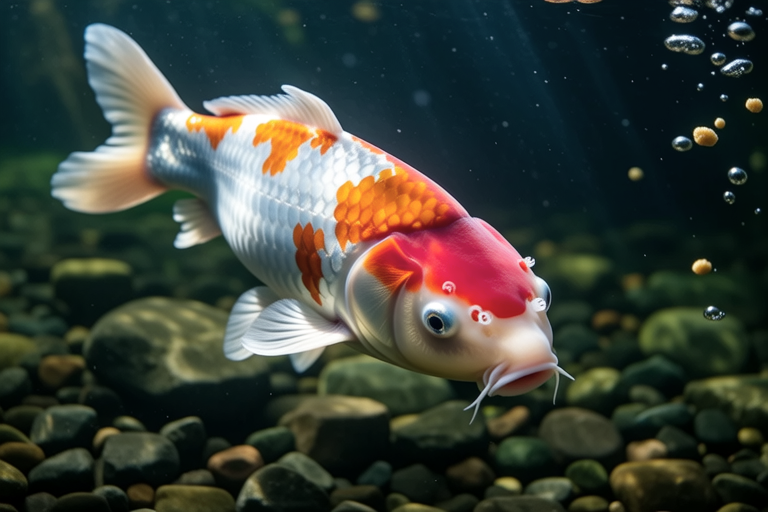
The Ultimate Koi Food Guide: Feeding Habits Explained
Welcome to the comprehensive guide on koi feeding! Proper nutrition is crucial for the health, growth, and longevity of your koi fish. Understanding their dietary needs, selecting appropriate food, and maintaining optimal feeding practices can significantly enhance your pond ecosystem. This article will cover essential aspects of koi feeding, including their nutritional requirements, types of food available, feeding schedules, common mistakes to avoid, and tips for maintaining water quality.
Understanding Koi Nutritional Needs
Koi, like all living organisms, require a balanced diet to thrive. Their nutritional requirements include proteins, fats, carbohydrates, vitamins, and minerals. Proteins are vital for muscle development and repair, while fats provide energy and support cell function. Carbohydrates offer quick energy, and vitamins and minerals play crucial roles in various biological processes.
Proteins are particularly important during the growing season, typically spring through early fall. Younger koi, especially those under two years old, need higher protein levels (up to 40%) to support rapid growth. Adult koi, however, can manage with slightly lower protein levels (around 30-35%). Fats, though necessary, should be provided in moderation as excess can lead to obesity.
Vitamins and minerals are equally important. Vitamin C, for instance, aids in collagen production and immune system function. Calcium and phosphorus are essential for bone health. A varied diet that includes both commercial foods and natural sources like algae can help ensure a well-rounded intake of these nutrients.
Types of Koi Food Available
The market offers a wide range of koi foods designed to meet specific nutritional needs at different life stages and times of the year. These include:
- Spring and Summer Foods: High-protein pellets designed for active growth and metabolism.
- Fall and Winter Foods: Lower-protein, carbohydrate-rich foods that help koi conserve energy during cooler temperatures.
- Vegetable-based Foods: Suitable for promoting digestive health and providing essential vitamins and minerals.
- Specialty Foods: Such as garlic-infused or spirulina-enriched foods, which can boost immunity and improve coloration.
When choosing koi food, consider factors such as the age, size, and activity level of your fish, as well as the time of year. Always read labels carefully and opt for high-quality products that list real ingredients.
Frequency and Quantity of Feedings Based on Seasons and Koi Size
The frequency and quantity of feedings should adjust according to the season and the size of the koi. In spring and summer, when koi are most active, they may require multiple feedings daily. However, it’s important not to overfeed; the general rule is to feed only what they can consume within five minutes.
In fall, as temperatures drop, reduce the frequency to once or twice daily. By winter, when koi become less active and often retreat to deeper waters, feeding may be unnecessary unless the water remains above 40°F (4°C). During this period, focus on maintaining water quality and preparing the pond for the coming spring.
For smaller koi, start with smaller quantities and gradually increase as they grow. It’s also advisable to monitor their eating habits closely, ensuring they are neither overfed nor underfed. Overfeeding can lead to poor water quality and health issues, while underfeeding can stunt growth and weaken the immune system.
Common Feeding Mistakes to Avoid
Several common mistakes can negatively impact the health of your koi. One of the most frequent errors is overfeeding, which leads to excess waste and deteriorating water quality. Another mistake is feeding at inappropriate temperatures; koi should not be fed when water temperatures are below 50°F (10°C) or above 86°F (30°C).
Feeding at night is also discouraged, as it can disrupt the natural feeding patterns of koi and other aquatic organisms. Additionally, failing to rotate between different types of food can result in nutritional deficiencies. Finally, storing food improperly can lead to spoilage and contamination, so always store food in a cool, dry place away from direct sunlight.
Tips for Maintaining Water Quality While Feeding
Maintaining good water quality is critical for the health of your koi and the overall pond ecosystem. Here are some tips to help you maintain water quality while feeding:
- Monitor Water Parameters: Regularly test the water for ammonia, nitrite, nitrate, pH, and temperature. High levels of ammonia and nitrite indicate poor water quality, which can harm koi.
- Aerate the Pond: Proper aeration ensures adequate oxygen levels in the water, which is crucial for koi health. Use a pond aerator or fountain to circulate water and prevent stagnation.
- Use Beneficial Bacteria: Adding beneficial bacteria can help break down organic matter and reduce harmful substances in the water.
- Perform Regular Water Changes: Changing 10-20% of the pond water weekly can help dilute toxins and replenish essential minerals.
- Install a Filtration System: A good filtration system can remove debris, excess food, and waste, keeping the water clean and clear.
By following these guidelines, you can create a healthy environment for your koi and enjoy watching them flourish in your pond.
Conclusion
Feeding koi is an art that requires knowledge, patience, and attention to detail. Understanding their nutritional needs, selecting appropriate food, and maintaining proper feeding habits can greatly enhance the health and beauty of your koi. Remember, the goal is not just to feed them but to nurture them into thriving, vibrant creatures. With the right approach, your koi pond can become a sanctuary of tranquility and joy.
