From Playful Puffballs to Couch Companions: The Journey of Ragdoll Kittens
Welcome to the enchanting world of Ragdoll kittens! These adorable creatures start their lives as playful puffballs and grow into affectionate couch companions. This article will guide you through their unique physical characteristics and temperaments at birth, their developmental stages, and the transition to adulthood. We’ll also provide tips for caring for these delightful felines and explain why they are beloved pets.
Born as Playful Puffballs
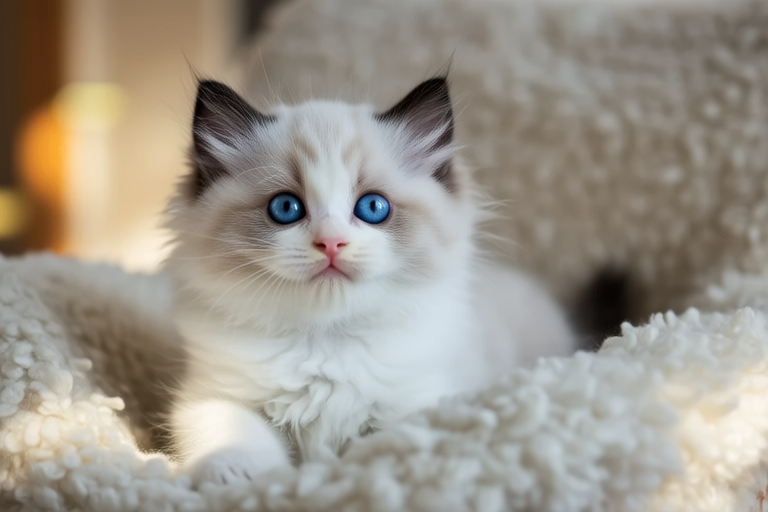
Ragdoll kittens are born as tiny, fluffy bundles of joy, often described as “playful puffballs.” Their soft, dense fur makes them look like little clouds, and their blue eyes add to their ethereal charm. At birth, Ragdoll kittens weigh about 90 grams and are completely dependent on their mother for warmth and nourishment. They have pink skin, which gradually turns to their adult coat color as they grow.
Their temperament at this stage is entirely instinctual. They sleep a lot, eat, and play with their littermates. Their playful nature starts to show as they learn to walk and pounce on each other. Their curiosity and energy make them endearing to watch. Despite their small size, Ragdoll kittens are already displaying the gentle and affectionate traits that will define their adulthood.
Growth Stages and Developmental Milestones
The journey from playful puffball to couch companion is marked by several developmental milestones. By the time they are six weeks old, Ragdoll kittens have developed their adult eye color and are becoming more independent. They are learning to use a litter box and exploring their environment more confidently. Their playful interactions with humans and other animals are increasing, and they are beginning to develop their social skills.
Between three and four months, Ragdoll kittens enter the kitten stage. Their growth rate slows down, but they remain energetic and curious. They are refining their motor skills, such as jumping and climbing. Socialization is crucial during this period. Positive interactions with people, other animals, and various environments help shape their personalities and ensure they grow up to be well-adjusted cats.
At around five to six months, Ragdoll kittens reach puberty. Their adult teeth come in, and they may become more assertive or territorial. They continue to grow until they are about two years old, at which point they are considered fully grown. Throughout their growth, regular veterinary check-ups are essential to monitor their health and development.
The Transition to Adulthood
The transition from kittenhood to adulthood is a gradual process. As Ragdoll kittens mature, their playful energy begins to settle into a more relaxed demeanor. They become increasingly affectionate and enjoy spending time with their human families. Their docile nature becomes more apparent, and they are often found lounging on laps or curled up on cozy spots around the house.
Adult Ragdolls are known for their calm and gentle disposition. They are not typically lap cats, but they will seek out affection when it suits them. Their laid-back attitude makes them excellent companions for busy households or those looking for a low-maintenance pet. Their intelligence and adaptability allow them to adjust to new environments and routines easily.
Caring for Ragdoll Kittens
Proper care is essential for ensuring the health and happiness of Ragdoll kittens. From the moment they are born, they require a warm, safe environment. Their mother provides the necessary care, but as they grow, they need proper nutrition, regular veterinary check-ups, and socialization. Providing a stimulating environment with toys and scratching posts encourages their physical and mental development.
As they reach the kitten stage, it’s important to introduce them to the litter box and provide positive reinforcement for using it. Training them to use a scratching post helps prevent damage to furniture and promotes healthy claw maintenance. Regular grooming is necessary to keep their luxurious coats free of tangles and mats.
Vaccinations and deworming are critical to protect against diseases and parasites. Parasite control, including flea and tick prevention, is also important. Dental hygiene can be maintained by providing chew toys and dental treats. Regular exercise and playtime are essential for their physical and mental well-being.
Why Ragdolls Are Beloved Pets
Ragdolls are cherished pets for many reasons. Their adaptability allows them to thrive in various living situations, from small apartments to large homes. They are generally friendly towards children and other pets, making them ideal family pets. Their intelligence and problem-solving abilities make them entertaining to watch and interact with.
The bond between a Ragdoll and its human family is one of the most rewarding aspects of owning one. They are known for forming strong emotional connections with their owners, often following them around the house and seeking attention. Their loyalty and affection create a sense of companionship that many find comforting.
In conclusion, Ragdoll kittens are a joy to watch as they grow from playful puffballs into affectionate couch companions. Their unique physical characteristics and gentle temperaments make them beloved pets. With proper care and attention, they can bring years of happiness and companionship to their human families.
