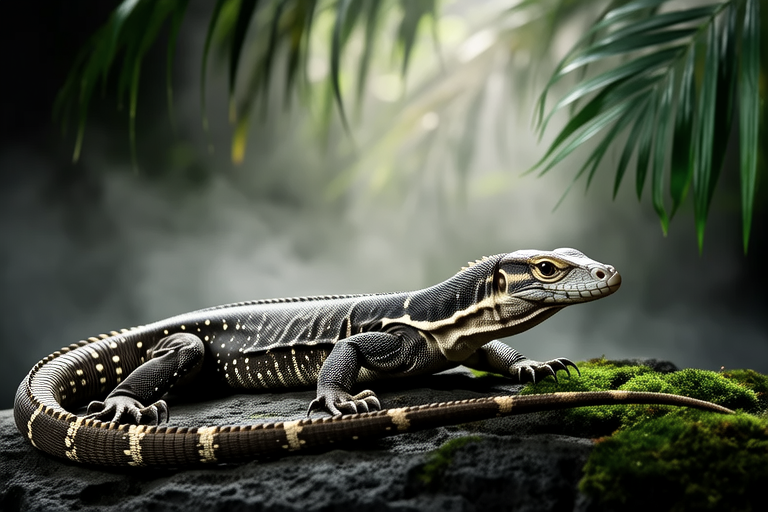
The Ultimate Adventure: Living with a Water Monitor as a Pet
Introduction
Welcome to the thrilling world of pet ownership, where your new companion is none other than the magnificent water monitor (Varanus salvator). This article will guide you through the unique journey of living with this remarkable reptile, from understanding its distinctive features to providing the best care possible.
Unique Characteristics of Water Monitors
Water monitors, native to Southeast Asia, are among the largest lizards globally. They can grow up to 3 meters in length and weigh over 50 kg. These lizards have a long, muscular tail that helps them swim efficiently. Their powerful limbs enable them to climb trees, while their sharp claws assist in digging and climbing. Water monitors are known for their intelligence and curiosity, often interacting with their environment in ways that showcase their problem-solving skills.
Housing Requirements
Creating an appropriate habitat is crucial for the well-being of your water monitor. A spacious enclosure is necessary, with dimensions of at least 6 feet by 3 feet for juveniles, expanding to 8 feet by 4 feet for adults. The enclosure should include a water area large enough for swimming, ideally one-third to half the total floor space. Ensure the water is deep enough for submersion and includes a ramp or platform for easy access. Additionally, provide climbing structures such as branches and rocks, and maintain humidity levels between 70% and 90% using misting systems or humidifiers.
Dietary Needs
Water monitors are carnivorous and require a varied diet rich in protein. Juveniles thrive on insects like crickets, mealworms, and super worms, supplemented with pink mice occasionally. As they mature, their diet should include whole prey items such as rats, chicks, and fish. Feeding frequency depends on age and size; juveniles may eat daily, while adults need meals every few days. Always ensure food is appropriately sized for your monitor’s mouth to prevent choking.
Health Care
Regular veterinary check-ups are essential for maintaining your water monitor’s health. Common issues include metabolic bone disease due to calcium deficiency, which can be prevented by providing UVB lighting and a balanced diet. Monitor feces regularly for signs of parasites or digestive problems. Quarantine any new additions to your household to avoid introducing diseases to your existing pets. Clean the enclosure thoroughly and frequently to reduce the risk of bacterial infections.
Behavioral Insights
Water monitors are highly intelligent and social creatures. They display complex behaviors such as scent marking, head bobbing, and tail whipping. These behaviors can indicate stress, excitement, or territoriality. Understanding these signals can help you create a harmonious environment. While generally docile, they can become aggressive if provoked or threatened. Handling should be done carefully, respecting their space and providing consistent interaction to build trust.
Tips for New Owners
Before bringing home a water monitor, research extensively about their specific needs and commit to providing a suitable environment. Prepare your home and family for the responsibility, ensuring everyone understands the commitment involved. Join online communities and forums to connect with experienced owners who can offer valuable advice and support. Remember, patience and consistency are key in building a strong bond with your water monitor.
Conclusion
Living with a water monitor as a pet is an extraordinary adventure filled with challenges and rewards. By understanding their unique characteristics, meeting their housing and dietary needs, and being attentive to their health and behavior, you can ensure a fulfilling life for both you and your pet. Embrace the journey and enjoy the incredible companionship of these fascinating creatures.
