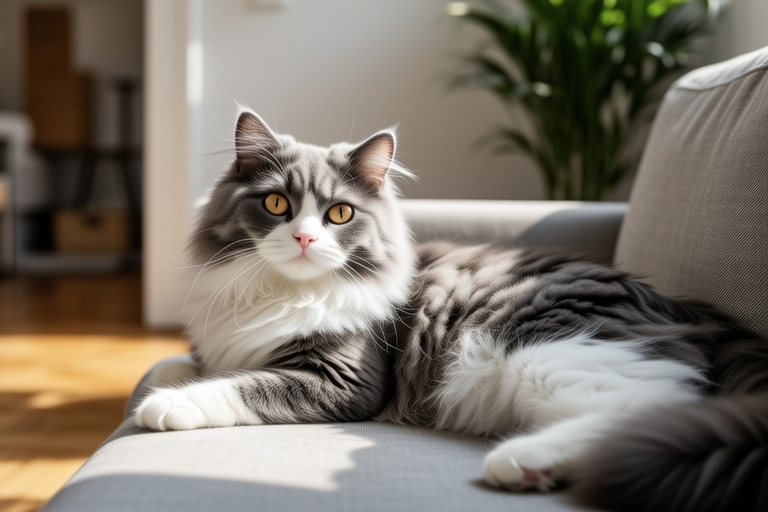
Life with a Munchkin Cat: Fun Facts and Tips for New Owners
Welcome to the world of Munchkin cats! These adorable felines have captured the hearts of many pet lovers with their unique appearance and charming personalities. With their unusually short legs, Munchkin cats are a breed that’s as fascinating as it is delightful. If you’re considering adopting a Munchkin cat or are already a proud owner, this guide will provide you with essential information about their origins, behavior, health considerations, and care tips.
The Unique Appeal of Munchkin Cats
Munchkin cats are known for their distinctive physical characteristic – short legs. This trait is due to a naturally occurring genetic mutation that results in a shorter spine and shorter limbs. Despite their diminutive stature, Munchkin cats are full of energy and curiosity, making them playful companions. Their short legs don’t hinder their agility; in fact, they can move surprisingly fast and are often quite adept at climbing and jumping.
These cats come in a variety of coat colors and patterns, adding to their charm. Whether you prefer a sleek, solid-colored cat or one with intricate markings, there’s a Munchkin cat to suit every taste. Their eyes, typically large and expressive, add to their endearing appearance, making it hard not to fall in love with them.
Origins and Temperament
The story of Munchkin cats begins in the 1980s when a short-legged cat was discovered in Louisiana. The breed was named after characters from the beloved children’s book, “The Wizard of Oz,” due to their similar small stature. Since then, Munchkin cats have grown in popularity, becoming a recognized breed in many countries.
In terms of temperament, Munchkin cats are generally friendly and sociable. They enjoy human interaction and are often described as being very affectionate. However, they also retain a certain level of independence, which means they can be content playing alone for periods. Munchkins are known for their intelligence and curiosity, often exploring their surroundings with great enthusiasm. This makes them excellent indoor cats, always ready to investigate new objects or spaces.
Health Considerations
While Munchkin cats are generally healthy, their unique physical structure does come with some specific health considerations. One concern is lordosis, a condition where the spine curves abnormally, potentially leading to back pain. Another issue is pectus excavatum, a deformity of the chest wall. Regular veterinary check-ups are essential to monitor your Munchkin’s health and catch any potential problems early.
Despite these concerns, many Munchkin cats lead long, healthy lives. Proper care and attention to their unique needs can help ensure that your Munchkin remains happy and healthy throughout its life.
Caring for Your Munchkin Cat
Diet
Feeding your Munchkin cat a balanced diet is crucial for maintaining their overall health. Choose high-quality cat food that meets their nutritional requirements. Wet food can be beneficial, especially for hydration, as cats often don’t drink enough water. Consult with your veterinarian to determine the best diet for your Munchkin, taking into account their age, weight, and activity level.
Exercise and Playtime
Munchkin cats may look like they need extra care due to their short legs, but they are actually quite active and require regular exercise. Encourage play sessions with toys that stimulate their hunting instincts, such as feather wands or laser pointers. Interactive games can also help keep your Munchkin mentally engaged. Providing climbing structures or tunnels can further enhance their physical and mental stimulation.
Grooming
Munchkin cats, like most other breeds, benefit from regular grooming. Brushing their coat helps remove loose hair and prevents matting. Depending on the length of their fur, daily or weekly brushing might be necessary. Additionally, pay attention to their nails and teeth, trimming their claws and brushing their teeth regularly to prevent dental issues.
Common Health Issues
Besides the previously mentioned spinal conditions, Munchkin cats can be prone to obesity if not monitored carefully. Regular weigh-ins and adjustments to their diet and exercise routine can help manage this risk. Other common issues include respiratory infections and ear infections, which can be more prevalent due to their body shape. Early detection and treatment of these issues are key to maintaining your Munchkin’s health.
Creating a Safe and Enriching Environment
To ensure your Munchkin cat thrives, it’s important to create a safe and enriching environment. Provide plenty of hiding spots and perches where they can feel secure and observe their surroundings. Secure any windowsills to prevent falls, and consider installing baby gates to restrict access to certain areas of the home.
Interactive toys and puzzle feeders can provide mental stimulation, while scratching posts offer a place for your Munchkin to sharpen their claws and stretch. Creating a stimulating environment will help your Munchkin stay physically and mentally engaged, contributing to their overall well-being.
The Rewarding Experience of Owning a Munchkin Cat
Owning a Munchkin cat can be a truly rewarding experience. Their unique appearance, combined with their loving and playful nature, makes them a joy to have around. While they do require special care due to their physical characteristics, the bond you form with your Munchkin cat can bring endless happiness.
Remember, each Munchkin cat is an individual with its own personality and needs. Take the time to understand your cat’s preferences and adapt your care accordingly. With proper care and attention, you’ll have a loyal companion who will bring laughter and warmth to your home for years to come.
So, if you’re ready to welcome a Munchkin cat into your family, be prepared for a lifetime of love, adventure, and cherished moments. Happy cat parenting!
