DIY Bearded Dragon Habitat Hacks That Will Make You a Better Pet Parent
Welcome to the world of bearded dragon parenting! These fascinating reptiles are known for their friendly demeanor and captivating personalities. However, to ensure your bearded dragon thrives, you must create an optimal living environment. A well-designed habitat is crucial for their health and happiness, providing everything they need to feel secure and comfortable. This article will guide you through crafting or enhancing your bearded dragon’s habitat using affordable and accessible DIY methods, offering valuable insights into maintaining and adjusting this essential space.
The Importance of a Well-Designed Habitat
A bearded dragon’s habitat serves as its home, affecting its overall well-being. Properly designed enclosures promote physical and mental health, enabling your pet to thrive. An ideal habitat should mimic their natural environment, featuring distinct temperature zones, appropriate lighting, suitable substrate, and ample hiding spots. By understanding these components and incorporating them into your setup, you can significantly improve your pet’s quality of life.
Key Components of a Suitable Habitat
Temperature Zones
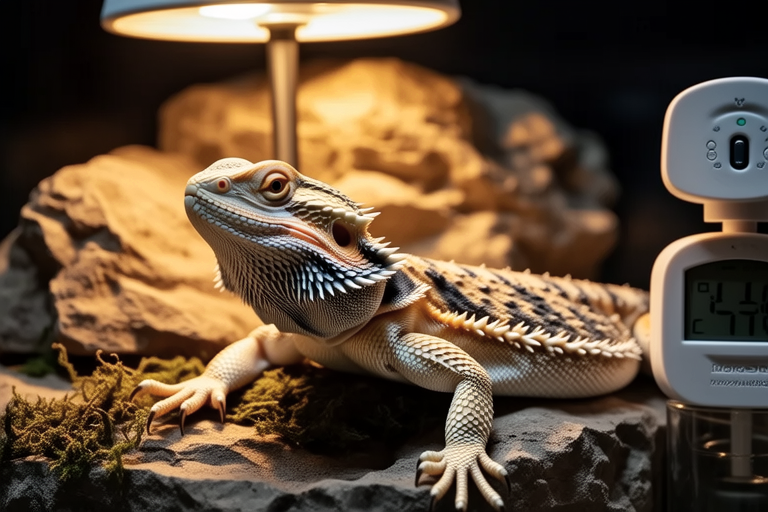
Bearded dragons require specific temperature ranges to digest food properly and maintain overall health. The enclosure should include a basking spot with temperatures between 95°F and 110°F (35°C – 43°C), and a cooler area around 80°F (27°C). Achieving these conditions is vital for thermoregulation, allowing your dragon to control its body temperature.
Lighting
Proper lighting is essential for bearded dragons, as they rely on UVB rays for calcium absorption and overall health. Full-spectrum UVB bulbs should be placed within 12 inches (30 cm) of the basking spot, ensuring adequate exposure. Additionally, provide a 12-hour light cycle to simulate day and night patterns, promoting healthy circadian rhythms.
Substrate
Selecting the right substrate is crucial for preventing impaction and facilitating easy cleaning. Reptile carpet, paper towels, or tile work best, avoiding loose substrates like sand or mulch. These materials can cause digestive issues if ingested and are harder to clean.
Hiding Spots
Providing hiding spots allows your dragon to retreat when feeling stressed or overwhelmed. Rocks, caves, or half logs make excellent hideouts, offering security and comfort. Ensure these items are securely placed to prevent tipping or collapsing.
Creating or Enhancing Habitat Elements Using DIY Methods
Building Temperature Zones
To create temperature zones, start by selecting an appropriately sized tank. For a single adult dragon, a 40-gallon (151-liter) tank is recommended. Place a heat mat or ceramic heat emitter at one end of the enclosure, creating a warm basking area. Install a digital thermometer and thermostat to monitor and regulate temperatures accurately.
Installing Lighting
For lighting, purchase full-spectrum UVB bulbs and a reflector. Position the bulb securely within the reflector and mount it over the basking spot using a clamp lamp. Ensure the bulb is positioned correctly to avoid overheating or underexposure. Replace bulbs every six months to maintain effectiveness.
Choosing Substrate
When selecting substrate, opt for reptile carpet, paper towels, or tile. These materials are easy to clean and pose no risk of impaction. If using reptile carpet, wash it regularly to prevent bacteria buildup. For paper towels or tile, replace them as needed to maintain hygiene.
Adding Hiding Spots
Create hiding spots using rocks, caves, or half logs. Arrange these items in various locations throughout the enclosure, offering multiple options for your dragon. Secure each item using aquarium-safe silicone adhesive to prevent tipping. Decorate these areas with live or artificial plants to enhance aesthetics and provide additional enrichment.
Maintaining the Habitat
Regular maintenance ensures the habitat remains safe and stimulating for your bearded dragon. Clean the enclosure weekly, removing waste and soiled substrate. Disinfect surfaces using a reptile-safe cleaner and rinse thoroughly before replacing substrate. Monitor temperature and humidity levels daily, making adjustments as necessary. Inspect all equipment regularly, replacing worn-out items promptly.
Observing Your Pet’s Behavior
Closely observe your bearded dragon’s behavior to identify any signs of discomfort or illness. Note changes in appetite, activity levels, or appearance. Adjust the habitat accordingly, addressing any issues promptly. Continuous learning and adaptation are key aspects of responsible pet parenting, ensuring your dragon remains happy and healthy.
Conclusion
By implementing these DIY habitat hacks, you can create a nurturing environment that supports your bearded dragon’s physical and emotional needs. Remember, a well-cared-for pet leads to a more enjoyable companionship. Stay informed about your dragon’s requirements, adapting the habitat as needed. Embrace the journey of becoming a better pet parent, fostering a strong bond with your scaly friend.
