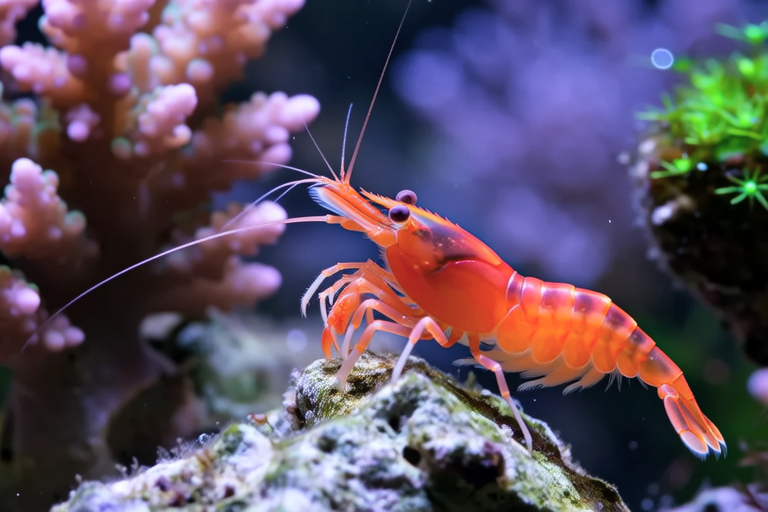
From Ocean to Tank: The Ultimate Care Sheet for Coral Shrimp Lovers
Introduction to Coral Shrimp Species
Welcome to the world of coral shrimp! These fascinating creatures come in various species, each offering unique colors and behaviors. Some popular types include the Scarlet Skunk Cleaner Shrimp (Lysmata amboinensis), the Peppermint Shrimp (Lysmata wurdemanni), and the Candy Cane Shrimp (Synghonia multiradiata). Each species has its own distinct appearance and role within the marine ecosystem. Understanding these differences can help you choose the right shrimp for your tank.
Natural Habitat
Coral shrimp are native to tropical and subtropical waters around the globe. They thrive in environments rich with corals, sponges, and algae, where they play essential roles such as cleaning parasites off fish and scavenging for food. In the wild, these shrimps live among reefs and rocky crevices, making them well-adapted to hiding spaces within your aquarium.
Ideal Tank Setup
To create an optimal home for your coral shrimp, start by setting up a tank that mimics their natural habitat. A minimum volume of 30 gallons is recommended to ensure adequate space for swimming and exploration. Incorporate plenty of live rock structures which provide hiding spots and promote beneficial bacteria growth. Additionally, add some macroalgae like Caulerpa or Chaetomorpha for additional shelter and food sources.
Water Parameters
Maintaining stable water conditions is crucial for keeping your coral shrimp healthy. Aim for a temperature range between 72°F to 82°F (22°C – 28°C), specific gravity between 1.023 and 1.025, pH level around 8.1 to 8.4, and ammonia/nitrite levels at zero. Regular testing using reliable test kits will help monitor these factors effectively.
Diet and Feeding Habits
Coral shrimp are omnivorous feeders who enjoy a variety of foods including algae, detritus, uneaten fish food, and small crustaceans. While they may consume some algae directly from rocks or glass surfaces, providing supplemental feeds such as frozen brine shrimp, mysis shrimp, or prepared pellets ensures they receive all necessary nutrients. Feed once daily but avoid overfeeding to prevent waste accumulation.
Common Diseases
Despite being relatively hardy creatures, coral shrimp can still fall ill under certain circumstances. Look out for signs of disease such as lethargy, loss of appetite, abnormal swimming patterns, or visible lesions on their bodies. If detected early enough, many issues can be resolved through improved husbandry practices or targeted treatments prescribed by aquatic veterinarians.
Tips for Maintaining a Healthy Environment
- Quarantine New Arrivals: Always quarantine new additions to your tank for several weeks before introducing them to the main display. This helps identify any potential health problems early on.
- Regular Maintenance: Perform partial water changes every two weeks along with thorough cleaning of filters and decorations to maintain pristine conditions.
- Avoid Overcrowding: Keep population densities low to reduce stress levels among inhabitants.
Compatibility with Other Aquarium Inhabitants
When selecting tankmates for your coral shrimp, consider species that share similar environmental preferences and temperaments. Good companions might include peaceful wrasses, cardinalfish, or blennies. However, avoid aggressive predators like lionfish or triggerfish who could pose threats to smaller shrimp populations. It’s also important to note that while cleaner shrimps can coexist peacefully with most fish, other shrimp species might compete for resources leading to conflicts.
Breeding Techniques
Breeding coral shrimp successfully requires careful planning and attention to detail. First, ensure both male and female individuals are present in your tank. Mating typically occurs when females molt into soft-shelled stages after which males fertilize eggs externally. Afterward, females carry eggs attached to their undersides until larvae hatch approximately three weeks later. Newly hatched juveniles should then be transferred to separate grow-out systems equipped with appropriate microfauna diets until large enough to return safely back into community tanks.
Troubleshooting Common Issues
- Shrimp Not Eating: Check water quality parameters first; poor conditions often lead to reduced appetites. Also, try offering different types of food to see if preferences vary.
- Aggressive Behavior: Monitor interactions closely especially during feeding times. Separate overly competitive individuals if necessary.
- Stress Indicators: Watch for signs of distress such as frequent hiding or erratic movements. Adjust lighting schedules, reduce noise levels, and increase hiding places accordingly.
Conclusion
By following this comprehensive guide, you’ll be well-equipped to provide top-notch care for your beloved coral shrimp. Remember, patience and dedication go hand-in-hand with successful reefkeeping endeavors. Enjoy watching these beautiful creatures flourish in their new homes!
