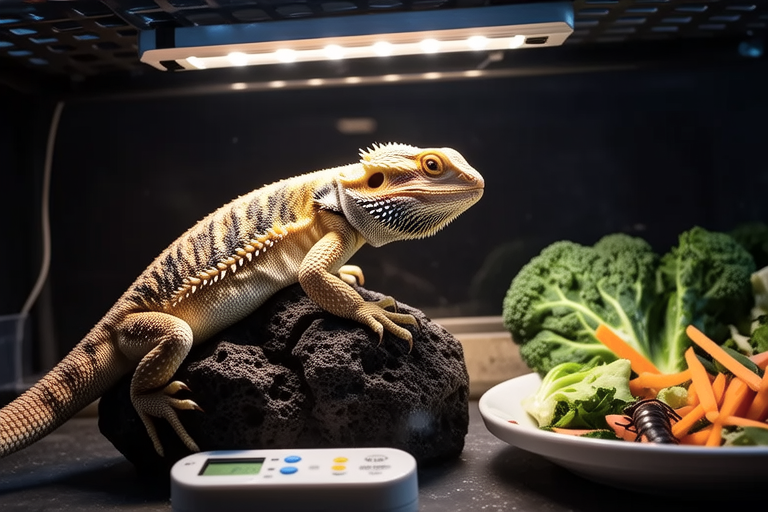
Bearded Dragon Care Made Simple: Tips from Expert Reptile Owners
Welcome to the world of bearded dragon ownership! These fascinating creatures have become popular pets due to their docile nature and relatively simple care requirements. However, like all animals, they require specific conditions to thrive. This guide, filled with tips from expert reptile owners, aims to make bearded dragon care straightforward and enjoyable for both beginners and seasoned enthusiasts.
Habitat Setup
The first step in providing excellent care for your bearded dragon is setting up a suitable habitat. A glass or plastic tank with a minimum size of 40 gallons (for juveniles) and 75 gallons (for adults) is recommended. The enclosure should include a secure lid to prevent escapes. Inside the tank, place a shallow water dish, rocks, and branches for climbing. Experts suggest using a substrate that is easy to clean and free of small particles that could cause impaction; reptile carpet or paper towels are ideal choices.
Temperature and Lighting Requirements
Maintaining the correct temperature gradient within the enclosure is crucial for your bearded dragon’s health. The basking area should reach between 95°F and 110°F during the day, while the cooler side of the tank should stay around 80°F. At night, temperatures can drop slightly but should never go below 65°F. To achieve this, use a combination of heat lamps and ceramic heaters. Additionally, UVB lighting is essential for calcium absorption and overall health. Experts recommend a UVB light that provides 10% strength and is replaced every six months.
Feeding Guidelines
Bearded dragons are omnivores, meaning they eat both plant matter and animal protein. Their diet should consist of approximately 70% vegetables and 30% insects. For younger dragons, more protein is needed, while adults benefit from a higher vegetable intake. Suitable vegetables include collard greens, mustard greens, and squash. Insects like crickets, dubia roaches, and mealworms should be gut-loaded and dusted with calcium and multivitamin powders before feeding. Avoid feeding wild-caught insects, as they may carry parasites or pesticides harmful to your pet.
Hydration Methods
Providing adequate hydration is vital for your bearded dragon’s well-being. While some owners report success with misting systems, many experts recommend using a shallow water dish. Ensure the dish is large enough for your dragon to soak but shallow enough to prevent drowning. Change the water daily to maintain cleanliness. Additionally, lightly misting the enclosure can help increase humidity levels, which aids in shedding and overall health.
Handling Techniques
Bearded dragons are generally calm and gentle, making them great pets for handling. However, it’s important to handle them correctly to avoid stress or injury. Always support their body when holding them, especially their belly and tail. Approach them slowly and allow them to get used to your presence. If your dragon puffs out its beard or darkens its color, it may feel threatened or stressed, so give it some space.
Common Health Issues
Despite proper care, bearded dragons can still face health challenges. Metabolic bone disease (MBD), caused by calcium deficiency, is one of the most common. Symptoms include lethargy, swollen limbs, and difficulty moving. Regular vet check-ups and ensuring proper supplementation can prevent MBD. Impaction, another issue, occurs when food or substrate is ingested and cannot pass through the digestive tract. Signs include loss of appetite and constipation. Prevent impaction by feeding appropriate-sized prey and avoiding loose substrates.
Respiratory infections are also prevalent among bearded dragons, particularly in cold or damp environments. Look for signs such as labored breathing, nasal discharge, or lethargy. Prompt veterinary care is essential if you suspect respiratory issues.
The Importance of Continuous Learning in Reptile Care
Even after mastering the basics, there’s always more to learn about bearded dragon care. New research, products, and best practices emerge regularly, keeping the field dynamic. Engaging with other reptile owners, joining forums, and attending workshops can provide valuable insights. Staying informed ensures you’re giving your bearded dragon the best possible care, adapting to new information and technologies. Continuous learning fosters a deeper connection with your pet and enhances your ability to address potential health issues proactively.
In conclusion, caring for a bearded dragon involves creating a safe and stimulating environment, providing balanced nutrition, maintaining optimal temperatures, and staying vigilant for signs of illness. By following these expert tips and remaining committed to ongoing education, you’ll ensure your bearded dragon enjoys a long and healthy life.
