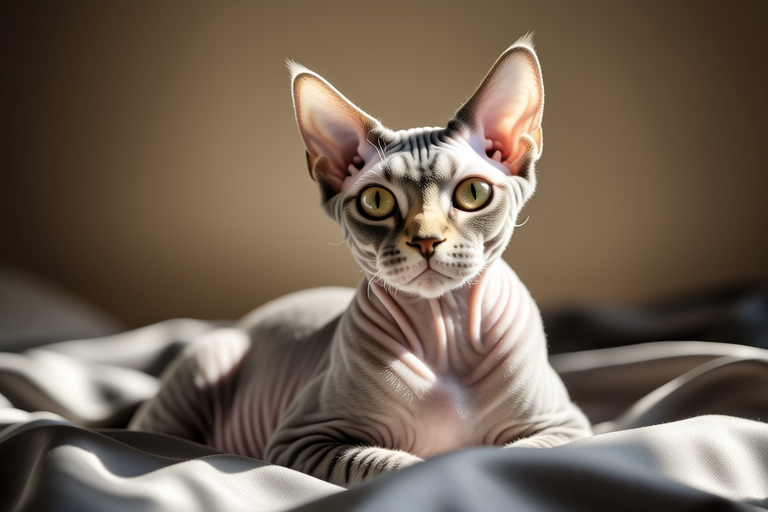
Unraveling the Mystery of the Unique Devon Rex Coat
The Devon Rex is a breed of cat known for its striking appearance and unique personality. With their large ears, prominent eyes, and most notably, their curly, velvety coat, these felines have captured the hearts of many cat lovers around the world. The Devon Rex’s coat is not just aesthetically pleasing but also scientifically intriguing, making it one of the most fascinating aspects of the breed.
The Distinctive Appearance of the Devon Rex
The Devon Rex stands out among other cat breeds due to its unusual coat. These cats possess a short, soft, and wavy fur that is often compared to the texture of velvet or a warm hug. Their coat is characterized by its unique wave pattern, which gives them a distinctively tousled appearance. This makes them look like they’ve just rolled out of bed, adding to their playful and mischievous charm. The waves can vary in intensity, ranging from slight undulations to more pronounced curls, creating a diverse array of coat textures within the breed.
Genetic Factors Behind the Unique Coat
The genetic basis for the Devon Rex’s distinctive coat lies in specific gene mutations. One of the key genes involved is the ‘rex’ gene, which is responsible for the wavy coat texture. Unlike other curly-coated breeds, such as the Cornish Rex, the Devon Rex’s mutation affects not only the guard hairs but also the undercoat, resulting in a softer, denser coat. This gene mutation leads to a reduction in the length of the guard hairs relative to the undercoat, creating the characteristic waves and curls.
Another important genetic factor is the lack of the normal hair follicle structure. In Devon Rexes, the hair follicles are shorter and less structured than those found in other breeds, leading to the unique texture of their coat. This genetic anomaly is what sets the Devon Rex apart from other cat breeds and contributes to its distinctive appearance.
Texture, Types, and Patterns of the Coat
The texture of the Devon Rex’s coat is one of its most notable features. It is soft, fine, and incredibly light, often described as feeling like satin or cashmere. This texture is a result of the shorter guard hairs and the dense undercoat. The coat is typically short, with no significant undercoat, making it less prone to shedding compared to long-haired breeds.
Devon Rexes come in various colors and patterns, further enhancing their allure. They can be solid-colored, tabby-patterned, or bicolor. The color palette includes black, white, red, cream, blue, and chocolate, among others. The patterns can range from classic tabby stripes to intricate marbling, adding to the diversity within the breed. Comparatively, while other breeds like the Sphynx also have a unique coat, the Devon Rex’s waves and curls give it a distinct identity. The Sphynx, for instance, lacks any fur, whereas the Devon Rex has a plush, albeit wavy, coat.
Care and Maintenance of the Coat
Veterinarians and geneticists emphasize the importance of proper care for the Devon Rex’s special coat. Due to its unique texture and composition, regular grooming is essential to keep the coat healthy and free from matting. Brushing should be done gently, using a soft-bristled brush to avoid damaging the delicate hair structure. Bathing should be kept to a minimum, as excessive washing can strip the coat of its natural oils, leading to dryness and potential skin issues.
Dr. Sarah Thompson, a veterinarian specializing in feline dermatology, advises that owners should monitor for signs of skin irritation or infections, which can occur if the coat becomes matted or if the cat scratches excessively. Regular health checks and a balanced diet rich in omega-3 fatty acids can help maintain the health of the coat and skin.
Historical Background and Popularity
The Devon Rex originated in England in the 1960s when a curly-coated cat named Kirlee was discovered in Devon. Kirlee’s offspring exhibited similar characteristics, leading to the development of the breed. The first Devon Rex was registered with the Governing Council of the Cat Fancy (GCCF) in 1967, and the breed quickly gained popularity due to its unique appearance and affectionate nature.
The Devon Rex’s appeal extends beyond its coat; its playful and sociable personality makes it a favorite among cat enthusiasts. Their intelligence and curiosity often lead them to participate in activities with their owners, such as playing fetch or solving puzzles. This combination of a striking coat and engaging personality has made the Devon Rex a popular choice for both homes and cat shows.
Today, the Devon Rex continues to capture the hearts of cat lovers worldwide. Its unique coat and charming demeanor make it a standout breed in the feline world. As interest in genetics and animal breeding grows, the Devon Rex remains a subject of fascination for both casual admirers and scientific researchers alike.
