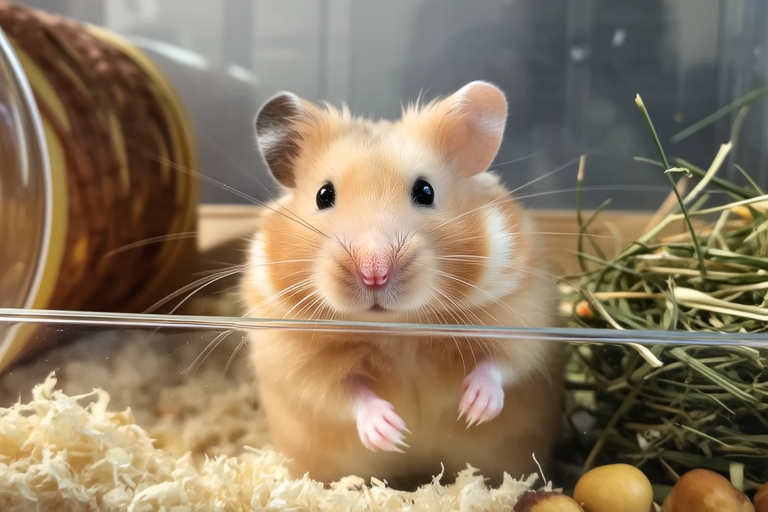
Top 10 Myths About Keeping a Golden Hamster Busted!
Introduction:
Golden hamsters have been a popular choice for pet lovers for decades. Their cute, cuddly appearance and relatively low maintenance requirements make them ideal companions for people of all ages. However, despite their widespread appeal, there are several misconceptions about these charming rodents that can lead to inadequate care and even harm. This article aims to dispel ten common myths about keeping a golden hamster, providing you with accurate and reliable information to ensure your furry friend enjoys a happy and healthy life.
Myth 1: Golden Hamsters Are Nocturnal
The Myth: Many believe that golden hamsters are strictly nocturnal, meaning they are only active at night.
Why It’s False: While it’s true that hamsters are more active during the evening hours, they are not exclusively nocturnal. In fact, they exhibit crepuscular behavior, which means they are most active during dawn and dusk. This flexible schedule allows them to adapt to various environments and conditions.
The Truth: Providing a consistent routine can help your hamster establish a predictable pattern of activity. Ensure their cage is placed in a quiet area away from direct sunlight, as too much light can disrupt their natural rhythms. By understanding their activity patterns, you can better anticipate when your hamster will be most playful and engaged.
Myth 2: Hamsters Don’t Need Much Space
The Myth: Some people think that because hamsters are small, they don’t need much space.
Why It’s False: Although hamsters are tiny, they require ample room to move around, exercise, and explore. A cramped living environment can lead to stress, obesity, and behavioral issues.
The Truth: According to the Humane Society, a single golden hamster should have at least 8 square feet of living space. This includes a running wheel, toys, and tunnels to keep them mentally and physically stimulated. Regular interaction and playtime outside the cage also contribute to their overall well-being.
Myth 3: Hamsters Can Survive on Seeds Alone
The Myth: There’s a common belief that hamsters can thrive on seeds alone.
Why It’s False: While seeds are a part of a hamster’s diet, they lack essential nutrients like vitamins and minerals. A seed-only diet can lead to malnutrition and health problems.
The Truth: The best diet for a golden hamster consists of a mix of high-quality hamster food, fresh vegetables, and occasional fruits. Always consult with a veterinarian or a pet nutritionist to ensure your hamster’s diet meets all nutritional needs.
Myth 4: Hamsters Enjoy Being Held
The Myth: Some assume that since hamsters are small and cute, they naturally enjoy being held.
Why It’s False: While some hamsters may tolerate handling, many find it stressful and uncomfortable. Improper handling can cause injury to both the hamster and the handler.
The Truth: Instead of picking up your hamster, try interacting with them on the ground level. Use treats to encourage positive interactions and build trust. Always supervise young children when handling hamsters to prevent accidents.
Myth 5: Hamsters Hibernate
The Myth: There’s a misconception that hamsters hibernate during cold weather.
Why It’s False: Unlike some other small mammals, golden hamsters do not hibernate. They are capable of entering a state called torpor, where their metabolism slows down temporarily, but this is not true hibernation.
The Truth: To avoid any confusion or unnecessary worry, maintain a stable temperature in your hamster’s living environment. Keep the cage in a warm, draft-free area, ideally between 65°F and 75°F (18°C to 24°C).
Myth 6: Hamsters Are Easy to Train
The Myth: Many people believe that hamsters are easy to train due to their small size and seemingly docile nature.
Why It’s False: While hamsters can learn simple tricks and behaviors, training them requires patience, consistency, and positive reinforcement. Not all hamsters respond well to training, and some may never fully acclimate to human interaction.
The Truth: Start by creating a safe and comfortable environment for your hamster. Use treats to reward desired behaviors and gradually introduce new activities. Training sessions should be short and fun, ensuring your hamster remains engaged and relaxed.
Myth 7: Hamsters Are Always Friendly
The Myth: Some believe that hamsters are always friendly and eager to interact with humans.
Why It’s False: Like any animal, hamsters have individual personalities and preferences. Some may be shy or reserved, while others may be more outgoing and sociable.
The Truth: Spend time observing your hamster’s behavior and adjust your approach accordingly. Patience and gentle handling can help foster a trusting relationship. Remember, every hamster is unique, and it’s important to respect their boundaries.
Myth 8: Hamsters Don’t Need Toys
The Myth: There’s a belief that hamsters don’t need toys because they are small and don’t require much stimulation.
Why It’s False: Just like larger pets, hamsters benefit from mental and physical stimulation. Lack of enrichment can lead to boredom, stress, and destructive behaviors.
The Truth: Provide a variety of toys, such as chew sticks, tunnels, and exercise wheels. Rotate toys periodically to keep your hamster interested and engaged. Enrichment activities can also include supervised playtime outside the cage.
Myth 9: Hamsters Don’t Need Grooming
The Myth: Some think that because hamsters are small, they don’t need grooming.
Why It’s False: While hamsters are generally good at self-grooming, regular maintenance is necessary to keep them clean and healthy.
The Truth: Check your hamster’s fur regularly for signs of matting or skin issues. Clean their cage thoroughly every week and provide a dust bath once or twice a week to help them groom themselves. Avoid bathing your hamster with water unless absolutely necessary, as it can upset their delicate skin balance.
Myth 10: Hamsters Don’t Need Water Bottles
The Myth: Some believe that hamsters can survive without water bottles.
Why It’s False: Water bottles are essential for hamsters, as they allow for continuous access to fresh, clean water. Bowls can easily tip over or become contaminated.
The Truth: Make sure the water bottle is securely attached to the side of the cage and check it daily to ensure it is functioning properly. Replace the water regularly and clean the bottle to prevent bacterial growth.
Tips for New Hamster Owners
Caring for a golden hamster can be a rewarding experience if done correctly. Here are some tips to help you provide the best care for your new pet:
- Provide a spacious, clean, and safe environment.
- Feed a balanced diet rich in nutrients.
- Handle your hamster gently and consistently.
- Offer plenty of toys and activities for mental and physical stimulation.
- Keep their living space clean and hygienic.
- Monitor their health closely and seek veterinary care when needed.
By debunking these myths and following the advice provided, you can ensure your golden hamster leads a happy, healthy life. Remember, each hamster is unique, so take the time to understand and cater to their specific needs. Happy hamster parenting!
