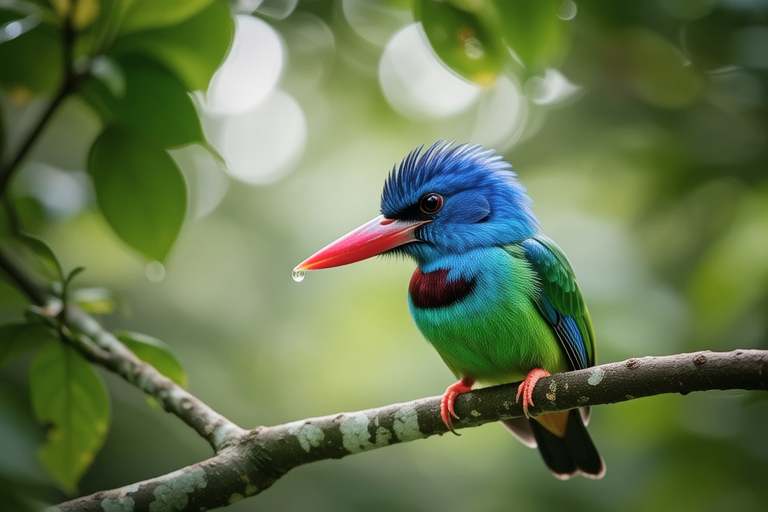
Adorable and Rare: Everything You Need to Know About Splendid Japalures
Welcome to the enchanting world of splendid japalures! These charming creatures are known for their unique beauty and captivating personalities. Splendid japalures, scientifically named Japalura splendens, are a rare species of lizards that have captured the hearts of many animal enthusiasts. Their striking appearance and gentle nature make them stand out among other reptiles. This article will delve into the fascinating aspects of these adorable creatures, providing you with everything you need to know about splendid japalures.
Introduction: The Uniqueness and Charm of Splendid Japalures
Splendid japalures are native to the lush forests of Southeast Asia, particularly in regions like Vietnam and Laos. They belong to the family Agamidae, which includes a variety of dragon lizards. What sets splendid japalures apart is their vibrant coloration and intricate patterns. Males, in particular, boast bright blue and green hues, while females exhibit more subdued tones. Their eyes are large and expressive, giving them an almost human-like gaze that captivates observers. With their long tails and agile movements, splendid japalures are not only beautiful but also graceful.
Physical Characteristics
Splendid japalures are medium-sized lizards, typically reaching lengths of around 10 inches from snout to tail. Their bodies are slender and elongated, with short limbs that allow for quick movement through the trees. The most notable feature of these lizards is their vibrant coloration. Males display vivid shades of blue and green, often with yellow or orange accents. Females, on the other hand, tend to be more muted in color, featuring shades of brown and green. Both sexes have distinctive patterns that serve as camouflage in their natural habitat.
Their scales are small and smooth, providing a sleek texture to their skin. Splendid japalures also possess sharp claws that help them grip onto branches and climb with ease. Their tails are long and prehensile, allowing them to wrap around objects for balance and support. Additionally, they have well-developed tongues used for tasting and sensing their environment, much like snakes.
Habitat and Diet
In the wild, splendid japalures thrive in dense tropical forests, where they can find ample cover and food sources. They prefer environments with high humidity and plenty of vegetation, such as rainforests and bamboo thickets. These lizards are arboreal, meaning they spend most of their time in trees. They are excellent climbers and can move swiftly between branches, making them well-suited to life in the canopy.
Diet plays a crucial role in the survival of splendid japalures. In their natural habitat, they primarily feed on insects such as crickets, grasshoppers, and spiders. Occasionally, they may consume small fruits or nectar from flowers. Their diet is rich in protein, which helps maintain their muscular structure and overall health. For pet owners, it’s important to replicate this diet as closely as possible to ensure the well-being of their splendid japalure.
Behavior and Social Structure
Splendid japalures are generally solitary animals, except during mating season. They are territorial and can become aggressive if threatened or when competing for resources. Despite their sometimes fierce demeanor, they are intelligent and curious creatures. They enjoy exploring their surroundings and can develop strong bonds with their owners over time. When handled gently and consistently, splendid japalures can become quite tame and even affectionate.
These lizards are diurnal, meaning they are most active during the day. They bask in the sun to regulate their body temperature, which is essential for their metabolism. Proper basking areas should be provided in captivity to mimic their natural habits. Splendid japalures are also known for their vocalizations, producing soft chirping sounds when excited or communicating with potential mates.
Common Health Issues and Care Tips
Like any pet, splendid japalures require proper care to stay healthy. Some common health issues include respiratory infections, parasites, and metabolic bone disease. Respiratory infections can occur due to improper temperature or humidity levels in their enclosure. Parasites, such as mites or ticks, can be introduced through live prey or contaminated environments. Metabolic bone disease results from calcium and vitamin D3 deficiencies, leading to weak bones and fractures.
To prevent these health issues, it’s crucial to maintain optimal living conditions. A spacious vivarium with appropriate heating and lighting is necessary. Temperature gradients should range from 75°F to 90°F (24°C to 32°C), with a humidity level of 60% to 80%. Regular cleaning and maintenance of the enclosure are also vital to ensure a hygienic environment.
Dietary needs should be carefully considered. A balanced diet consisting of gut-loaded insects, supplemented with calcium and vitamins, is essential. Providing a variety of prey items ensures that your splendid japalure receives all necessary nutrients. Additionally, access to fresh water and occasional misting of the enclosure can help maintain hydration.
Conservation Efforts
Splendid japalures face several threats in their natural habitat, including deforestation, poaching, and illegal wildlife trade. Habitat destruction has significantly reduced their population, making conservation efforts critical. Organizations and governments are working together to protect these lizards and their ecosystems. Reforestation projects, protected areas, and stricter regulations on wildlife trade are some of the initiatives being implemented.
As part of conservation efforts, captive breeding programs have been established to increase the population of splendid japalures. These programs not only help in preserving genetic diversity but also provide valuable information about their biology and behavior. By supporting responsible breeding practices and avoiding the purchase of wild-caught specimens, pet owners can contribute to the preservation of this species.
Why Splendid Japalures Make Unique Pets
Splendid japalures are fascinating pets for those who appreciate the beauty and complexity of reptiles. Their vibrant colors, graceful movements, and interactive nature make them a joy to observe. They are relatively low-maintenance compared to other exotic pets, requiring a moderate amount of care and attention. With proper handling and socialization, splendid japalures can become affectionate companions.
One of the most appealing aspects of owning a splendid japalure is the opportunity to learn about their behavior and biology. Observing their daily routines, feeding habits, and interactions with their environment can be both educational and rewarding. Additionally, splendid japalures are relatively quiet pets, making them suitable for apartment living or households with other pets.
Recent Trends and Studies
Recent studies have shed light on the behavior and physiology of splendid japalures, offering new insights for both researchers and pet owners. Scientists are investigating the effects of different lighting and temperature conditions on their health and reproductive success. Understanding these factors can lead to improved husbandry practices and better care for captive specimens.
There has also been growing interest in the ethical treatment of exotic pets, prompting discussions about the responsibilities of pet owners. Many organizations advocate for responsible ownership, emphasizing the importance of providing proper care and meeting the needs of these animals. As awareness increases, more people are choosing to adopt rather than purchase new pets, contributing to the welfare of splendid japalures and other exotic species.
In conclusion, splendid japalures are truly remarkable creatures with unique characteristics and behaviors. Whether you’re an experienced reptile enthusiast or a first-time pet owner, these lizards offer a rewarding and enriching experience. By understanding their needs and providing appropriate care, you can ensure the well-being of your splendid japalure and enjoy a lifelong bond with this adorable and rare species.
