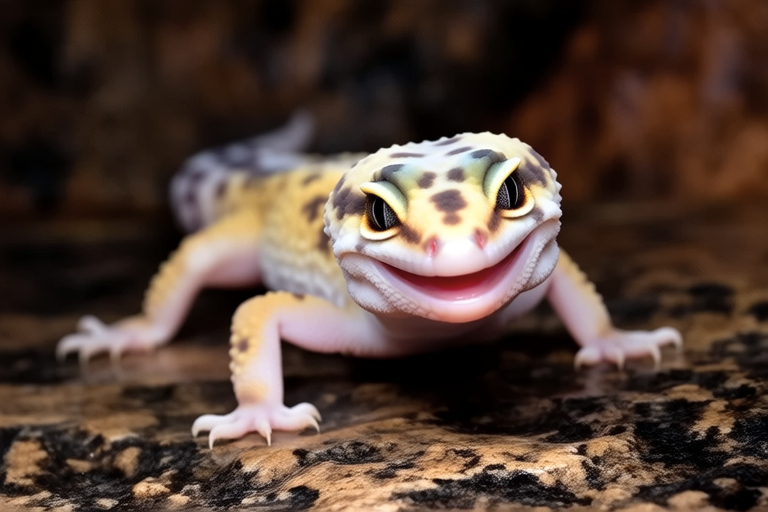
Unleashing the Secrets Behind Leopard Gecko Care: A Comprehensive Guide
Welcome, future leopard gecko owner! Whether you’re a seasoned reptile enthusiast or a first-time pet parent, caring for a leopard gecko can be an enriching experience. These small, docile lizards are popular among reptile keepers due to their easy maintenance and engaging personalities. This guide will walk you through everything you need to know about providing the best care for your new friend.
Habitat Setup
The key to successful leopard gecko care starts with creating a suitable environment. Leopard geckos require specific temperature and humidity levels to thrive. Their natural habitat is arid, so replicating this in captivity is crucial.
Temperature
Leopard geckos are ectothermic, meaning they rely on external sources to regulate their body temperature. The enclosure should have a thermal gradient with a warm end and a cool end. The warm side should be around 88-90°F (31-32°C) during the day and drop slightly at night. The cool side should maintain temperatures between 75-80°F (24-27°C).
Heat mats or under-tank heaters can provide warmth, but avoid placing heat sources directly above the gecko as it may lead to burns. Always monitor temperatures with thermometers placed at both ends of the enclosure.
Humidity
Maintain a low humidity level of 30-40% to prevent respiratory infections and skin issues. Leopard geckos absorb moisture from their food, so they don’t need high humidity like some other species. Use a hygrometer to measure humidity levels accurately.
Lighting
Unlike some reptiles, leopard geckos do not require UVB lighting as they synthesize vitamin D3 through their diet. However, providing a 12-hour light cycle with a low-wattage incandescent bulb can help simulate day and night cycles and improve their overall well-being.
Diet and Nutrition
Feeding your leopard gecko properly is vital for its health. They are insectivores, primarily eating crickets, mealworms, and waxworms. Variety is important to ensure balanced nutrition.
Feed adult geckos every other day, offering 2-3 appropriately sized insects per feeding. Juveniles may eat daily. Gut-load feeder insects with nutritious diets before feeding them to your gecko. Dust the insects with calcium and vitamin D3 supplements twice weekly.
Health Care Basics
Regular health checks and proper hygiene are essential for maintaining your gecko’s well-being. Signs of illness include lethargy, loss of appetite, swollen eyes, or unusual behavior. If you notice any concerning symptoms, consult a veterinarian specializing in reptiles.
Keep the enclosure clean by removing waste regularly and performing thorough cleaning sessions every few months. Use safe disinfectants recommended for reptile habitats.
Handling Tips
Leopard geckos are generally docile and tolerate handling well. Start slowly, allowing them to get used to your presence. Gently scoop them up from below, supporting their entire body. Avoid handling them immediately after feeding to prevent regurgitation.
Always wash your hands before and after handling to prevent the spread of bacteria.
Breeding Considerations
If you’re interested in breeding leopard geckos, there are several factors to consider. Breeding requires a pair of sexually mature adults, typically over one year old. Provide a larger enclosure with separate areas for males and females to reduce stress.
Brumation, a period of reduced activity similar to hibernation, helps stimulate breeding. Decrease the temperature gradually to around 50-60°F (10-15°C) for 6-8 weeks, then return to normal conditions. Females may lay eggs 3-4 weeks post-brumation.
Eggs should be incubated at 88-90°F (31-32°C) for optimal hatching rates. Keep humidity at 80-90% and monitor regularly.
Common Myths Debunked
There are many misconceptions about leopard gecko care. One myth is that leopard geckos need UVB lighting, which isn’t true since they produce vitamin D3 through their diet. Another misconception is that leopard geckos can eat fruit; in reality, their digestive systems aren’t equipped to process plant matter.
It’s also commonly believed that leopard geckos can survive on a diet solely of mealworms, but this isn’t advisable as mealworms lack sufficient nutrients. Always offer a varied diet to ensure optimal health.
Advice for New and Experienced Owners
New owners should focus on setting up a proper habitat and learning about feeding and handling techniques. Research extensively before purchasing supplies and always buy from reputable sources. Join online communities or forums to connect with other enthusiasts and gain valuable advice.
Experienced owners can explore advanced topics such as breeding or creating more complex enclosures. Stay updated on the latest research and best practices in reptile care. Continuous learning ensures you provide the highest standard of care for your pets.
In conclusion, leopard geckos make wonderful companions when cared for properly. By understanding their needs and providing a suitable environment, you can enjoy years of rewarding interaction with these fascinating creatures. Happy gecko keeping!
