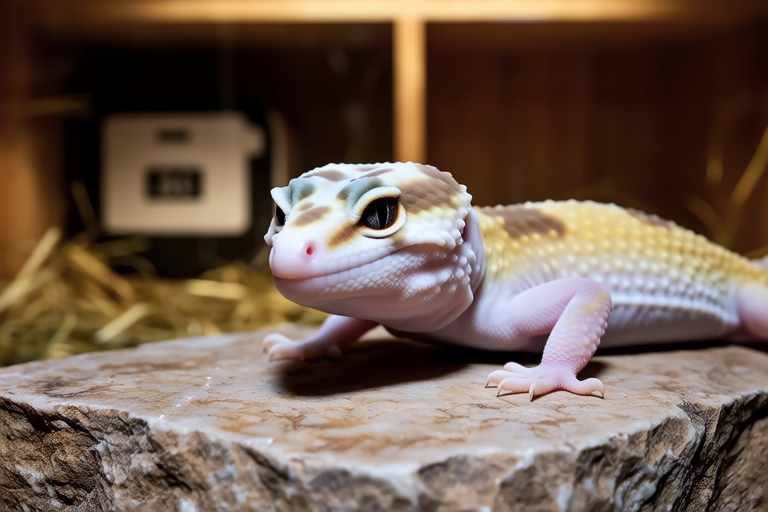
Leopard Gecko Care: A Beginner’s Guide to Keeping This Pet Happy and Healthy
Welcome to your comprehensive guide to keeping leopard geckos as pets! Leopard geckos are popular among reptile enthusiasts due to their docile nature and relatively easy care requirements. However, like any pet, they require proper care and attention to thrive. This guide will walk you through everything you need to know to keep your leopard gecko happy and healthy.
Habitat Setup
Creating the right environment is crucial for your leopard gecko’s well-being. Let’s dive into the essentials of setting up their home.
Tank Size
A 20-gallon tank is ideal for a single adult leopard gecko, providing ample space for movement and exploration. If you plan to house multiple geckos, consider a larger enclosure to accommodate them comfortably.
Substrate
Choose a substrate that promotes hygiene and safety. Reptile carpet or paper towels are safe options, especially for younger geckos or those new to handling. Avoid loose substrates like sand or gravel, which can pose choking hazards or cause impaction if ingested.
Hiding Spots
Leopard geckos need hiding spots to feel secure. Incorporate various hide boxes with different sizes and materials, such as cork bark or plastic containers with entrance holes. Place one hide on each end of the tank to provide a cool and warm spot.
Lighting
Leopard geckos are nocturnal and do not require UVB lighting. However, a low-wattage red or blue bulb can be used for night viewing without disturbing their sleep cycle. Ensure the light does not heat the tank excessively.
Temperature
Maintain a temperature gradient within the tank. The cool side should be around 78°F (26°C), while the warm side should reach 90°F (32°C). Use a thermostat-controlled heating pad or under-tank heater to achieve these temperatures.
Humidity
Keep the humidity level between 30% and 40%. Leopard geckos prefer dry environments, so avoid misting the tank regularly. Provide a shallow water dish for drinking and occasional soaking.
Diet and Feeding
Proper nutrition is key to your gecko’s health. Here’s what you need to know about feeding them.
Types of Food
Feed your leopard gecko a balanced diet of insects, primarily crickets and dubia roaches. Supplement their diet with waxworms and mealworms occasionally but sparingly, as these are high in fat. Dust the insects with calcium powder and multivitamins before feeding.
Feeding Schedule
Offer food every other day for juveniles and young adults. Older geckos may eat less frequently, usually once every two to three days. Adjust portion sizes based on their appetite and activity level.
Handling and Socialization Tips
Handling your leopard gecko properly ensures a positive relationship and reduces stress.
Handling
Handle your gecko gently and infrequently to avoid stressing them. Support their body fully and avoid squeezing. Allow them to get used to your touch gradually.
Socialization
Leopard geckos are solitary animals by nature. While they can live together, it’s best to house them separately to prevent territorial disputes and injuries. If you have multiple geckos, ensure they have adequate space and resources.
Health Concerns and Signs of Illness
Being aware of potential health issues and recognizing early signs of illness is vital for prompt treatment.
Common Health Issues
Metabolic bone disease, caused by calcium deficiency, and respiratory infections are common in leopard geckos. Regular vet check-ups and proper nutrition can help prevent these conditions.
Signs of Illness
Monitor your gecko for unusual behaviors, such as lethargy, loss of appetite, or difficulty breathing. Discharge from the nose or mouth, swollen eyes, or abnormal feces also indicate potential health problems.
Routine Care
Maintaining a clean and hygienic environment is crucial for your gecko’s health.
Cleaning
Spot-clean the tank daily by removing waste and uneaten food. Perform a thorough cleaning every two weeks, including replacing the substrate and disinfecting the enclosure.
Checking for Parasites
Regularly inspect your gecko for external parasites, such as mites or ticks. Consult a veterinarian if you notice any signs of infestation. Internal parasite checks can be done during annual veterinary visits.
Common Myths About Leopard Geckos
Dispelling some common misconceptions about leopard geckos can help you provide better care.
Myth: Leopard Geckos Don’t Need UVB Lighting
True! Leopard geckos do not require UVB lighting as they synthesize vitamin D3 internally. However, providing a balanced diet rich in calcium and vitamins is essential.
Myth: Leopard Geckos Can Eat Any Insect
Fake! While leopard geckos can eat various insects, not all are suitable. Choose insects that are appropriately sized and nutritious. Avoid feeding them wild-caught insects, which may carry parasites or toxins.
Myth: Leopard Geckos Are Easy to Handle
Partially true. Leopard geckos are generally calm and docile, making them suitable for handling. However, they still require gentle and respectful handling to avoid stress or injury.
Conclusion
Leopard geckos make wonderful pets when provided with proper care and attention. By following this guide, you’ll be well-equipped to create a happy and healthy environment for your gecko. Remember, responsible pet ownership involves ongoing learning and adaptation to your pet’s needs. Enjoy your journey with your new companion!
