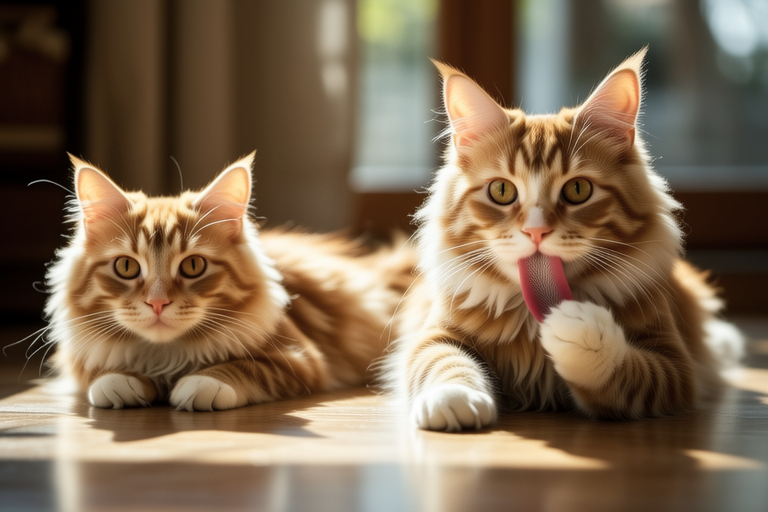
Orange Cats and Their Unique Personalities Unveiled
Welcome to a delightful exploration of one of the most beloved feline varieties: orange cats. These charming creatures are not just visually striking but also carry with them a fascinating set of traits and characteristics that have captured the hearts of many. In this article, we will delve into the world of orange cats, uncovering the myths and realities surrounding their prevalence, gender distribution, and unique personalities.
The Prevalence and Common Stereotypes of Orange Cats
Orange cats, often referred to as ginger or marmalade cats, are a common sight in households around the world. Their distinctive coloration makes them easily recognizable, and they come in various shades, from light cream to deep orange. The term ‘ginger’ is particularly popular in British English, while ‘marmalade’ is more commonly used in American English. Despite their widespread presence, orange cats are often subject to certain stereotypes. Many believe they are more playful, friendly, and even mischievous compared to other breeds. However, these perceptions are often based on limited experiences rather than comprehensive studies.
Why Are Orange Cats More Frequently Male?
One of the most intriguing aspects of orange cats is their gender distribution. Studies have shown that approximately 70% to 80% of orange cats are male. This phenomenon can be attributed to genetics. The gene responsible for orange fur is located on the X chromosome. Males have one X and one Y chromosome, so if they inherit the orange gene from their mother, they will express it. Females, however, have two X chromosomes. For a female to be orange, she would need to inherit the orange gene from both parents, making it less likely for her to be orange.
Temperament Traits of Orange Cats
Orange cats are generally known for their friendly and social natures. They are often seen as outgoing and enjoy interacting with humans and other animals. Many owners report that their orange cats are particularly affectionate, seeking out attention and companionship. One study conducted by a group of animal behaviorists found that orange cats tend to spend more time in close proximity to their human companions compared to other colored cats.
Personal anecdotes from cat owners further support these findings. Sarah, a cat owner from New York, shares, “My orange cat, Whiskers, always knows when I’m home. He greets me at the door and follows me around the house, constantly seeking petting and playtime.” Such behaviors highlight the sociable and affectionate nature of orange cats.
Playfulness is another hallmark of orange cats. They are often seen as energetic and curious, always ready to explore new environments and engage in interactive play. This trait is beneficial for keeping them mentally stimulated and physically active. Providing toys that encourage jumping, chasing, and pouncing can help satisfy their playful instincts.
Caring for an Orange Cat
Proper care is essential for ensuring the well-being of any cat, including orange cats. Understanding their dietary needs, health predispositions, and grooming requirements is crucial for maintaining their health and happiness.
Dietary Needs
Orange cats, like all cats, require a balanced diet rich in proteins, fats, and essential nutrients. High-quality commercial cat food, either wet or dry, can provide the necessary nutrition. It’s important to choose a food that is appropriate for your cat’s age, weight, and activity level. Some owners prefer to supplement their cat’s diet with fresh foods like cooked chicken or fish, but it’s advisable to consult a veterinarian before introducing new items.
Health Predispositions
While orange cats are generally healthy, they may be prone to certain conditions. Obesity is a common issue among indoor cats, and orange cats are no exception. Maintaining a healthy weight through proper diet and regular exercise is essential. Regular veterinary check-ups can help identify and address potential health issues early on. Additionally, some orange cats may have a higher risk of developing certain genetic disorders, so it’s important to be aware of these risks and discuss them with your veterinarian.
Grooming Tips
Grooming is an important aspect of caring for an orange cat. Their coats, which range from light cream to deep orange, require regular brushing to prevent matting and keep the fur shiny. Using a soft-bristled brush or a grooming glove can help remove loose hair and distribute natural oils throughout the coat. Bathing should be done sparingly, as frequent bathing can strip the coat of its natural oils. If you notice any changes in your cat’s coat, such as excessive shedding or dandruff, it may be a sign of underlying health issues and should be addressed by a veterinarian.
Challenging Misconceptions and Celebrating Individuality
While orange cats share certain common traits, it’s important to remember that each cat is unique. Generalizations about their personalities can overlook the individual differences that make each orange cat special. Stories from cat owners around the world illustrate the diverse personalities of orange cats.
For instance, there’s Charlie, a shy orange cat from London. Unlike the typical portrayal of orange cats as outgoing and social, Charlie prefers solitude and spends most of his day napping in quiet corners of the house. His owner, Mark, explains, “Charlie is a gentle soul who enjoys his own company. He’s not as vocal as other cats, but he has a calm presence that brings peace to our home.”
Another example is Luna, an adventurous orange cat from California. Known for her love of exploring, Luna is always on the lookout for new adventures. Her owner, Emily, says, “Luna is full of energy and curiosity. She loves to climb and chase after birds, and she never seems to run out of energy.”
These stories challenge the common stereotypes and highlight the unique personalities of orange cats. Whether they are sociable, playful, affectionate, or independent, orange cats bring joy and companionship to their human families. By understanding and respecting their individuality, we can provide the best care and create strong bonds with these remarkable creatures.
In conclusion, orange cats are more than just their striking appearance; they are a fascinating blend of genetics, temperament, and individuality. From their genetic predisposition to being predominantly male to their friendly and playful nature, orange cats offer a wealth of charm and companionship. By providing proper care and recognizing their unique traits, we can ensure that these wonderful creatures thrive and continue to bring happiness to countless homes.
