5 Surprising Facts About Hermit Crabs That Will Make You Rethink Your Pet Choices
Hermit crabs have long been a popular choice for pet enthusiasts seeking something different from traditional pets like dogs, cats, or fish. These tiny crustaceans offer a unique blend of low maintenance and fascinating behavior that captivates both children and adults alike. Unlike most pets, hermit crabs do not require constant attention but still provide endless opportunities for observation and learning. Their ability to adapt to various environments and their intriguing habit of changing shells make them a topic of fascination among pet owners and scientists. However, there’s much more to these little creatures than meets the eye. Let’s dive into five surprising facts about hermit crabs that might just change your perception of them.
Fact 1: Hermit Crabs Are Social Creatures
Contrary to their name, hermit crabs are highly social animals that thrive in groups. Studies have shown that hermit crabs are happiest when they live in colonies, where they can interact, play, and even work together to find food. In the wild, hermit crabs often gather in large numbers around food sources, and they exhibit complex behaviors such as sharing food and grooming each other. Keeping just one hermit crab as a pet can lead to loneliness and stress for the animal. Experts recommend keeping at least two hermit crabs together to ensure their well-being and happiness.
Fact 2: They Can Live Up to 30 Years
Hermit crabs are surprisingly long-lived creatures. While it is difficult to pinpoint the exact lifespan of a hermit crab in captivity due to varying living conditions, some species can live up to 30 years. This longevity makes them a significant commitment for any pet owner. It’s important to consider the long-term care and responsibility that comes with owning a hermit crab. Providing consistent care and a suitable environment can help extend their life span and ensure they enjoy a healthy existence.
Fact 3: Hermit Crabs Are Shell Snobs
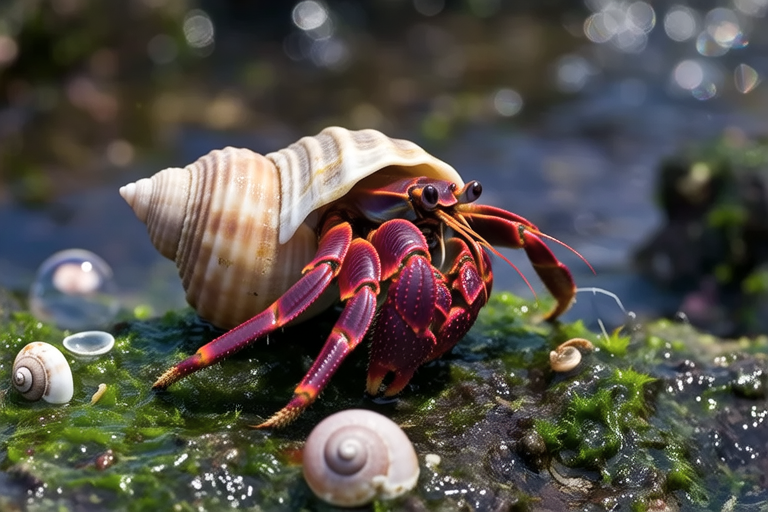
One of the most unique aspects of hermit crabs is their need for a shell. Unlike other crustaceans, hermit crabs lack a hard exoskeleton to protect their soft bodies. Instead, they rely on second-hand shells from sea snails to shield themselves. The selection of a new home is a crucial part of their life cycle, and hermit crabs can be quite particular about the size, shape, and condition of their shells. Research has shown that hermit crabs will inspect several shells before making a decision, ensuring that the new home offers adequate protection and comfort. As a pet owner, providing a variety of shells of different sizes and shapes can enhance the hermit crab’s quality of life.
Fact 4: They Have Excellent Sense of Smell
Hermit crabs have an extraordinary sense of smell, which plays a vital role in their survival. They use their antennae to detect chemical signals in the air and water, helping them find food, avoid predators, and locate mates. This keen sense of smell also aids in their communication with other hermit crabs. For instance, hermit crabs can recognize the scent of their own species and use it to coordinate group activities. Understanding this aspect of their biology can help pet owners create a stimulating environment for their hermit crabs by introducing scents or using aromatic plants within the enclosure.
Fact 5: Hermit Crabs Can Change Colors
Hermit crabs have the remarkable ability to change color, which is primarily influenced by their mood and surroundings. When stressed or threatened, hermit crabs may turn darker shades, while they appear lighter when relaxed and comfortable. This color-changing capability is linked to chromatophores, specialized cells found in their exoskeleton. These cells expand or contract depending on the crab’s emotional state, allowing them to blend in with their environment or signal distress. Observing these color changes can give pet owners valuable insights into their hermit crabs’ health and well-being.
The Responsibilities of Owning Hermit Crabs
Owning hermit crabs comes with specific responsibilities that set them apart from other pets. First and foremost, it is essential to provide a suitable habitat that mimics their natural environment. This includes maintaining a proper humidity level, which is crucial for hermit crabs’ respiratory system. A substrate that retains moisture and allows burrowing is necessary to keep them comfortable. Additionally, hermit crabs require a balanced diet consisting of fresh fruits, vegetables, and protein sources. Feeding them a varied diet ensures they receive all the nutrients needed for optimal health.
Another critical aspect of caring for hermit crabs is their social nature. As mentioned earlier, hermit crabs thrive in groups, so it’s advisable to keep at least two crabs together. This not only benefits their mental well-being but also encourages natural behaviors such as playing and grooming. Regular interaction with your hermit crabs can also strengthen your bond with them and help you understand their individual personalities.
Lastly, it is important to recognize the commitment involved in owning hermit crabs. With a potential lifespan of up to 30 years, these pets require long-term dedication. This includes being prepared for the financial and time investment required to maintain their health and happiness over many years. By understanding and meeting these needs, you can ensure that your hermit crabs enjoy a fulfilling and enriching life as part of your family.
In conclusion, hermit crabs are far more complex and fascinating than their simple appearance might suggest. From their social behavior to their impressive lifespan and unique adaptations, these creatures offer a wealth of surprises for anyone willing to look beyond the surface. While they may not demand the same level of attention as other pets, hermit crabs require careful consideration and responsible ownership. By providing the right environment, diet, and companionship, you can enjoy the rewarding experience of caring for these remarkable little creatures.
