The Ultimate Guide to Owning a Gentle Giant: Life with a Maine Coon
Welcome to the world of Maine Coons, the gentle giants of the feline kingdom. These majestic creatures have captured the hearts of many pet lovers with their striking appearance, playful nature, and affectionate demeanor. This comprehensive guide will walk you through everything you need to know about owning a Maine Coon, from understanding their origins and characteristics to ensuring they live a healthy and happy life.
Origins and Characteristics
Maine Coons are one of the oldest natural breeds in North America. Their history is somewhat shrouded in mystery, but it is believed that they originated in the state of Maine, where they were valued for their hunting skills and ability to adapt to harsh climates. With their semi-long fur and tufted ears, they are well-equipped for cold weather, making them excellent companions for outdoor adventures.
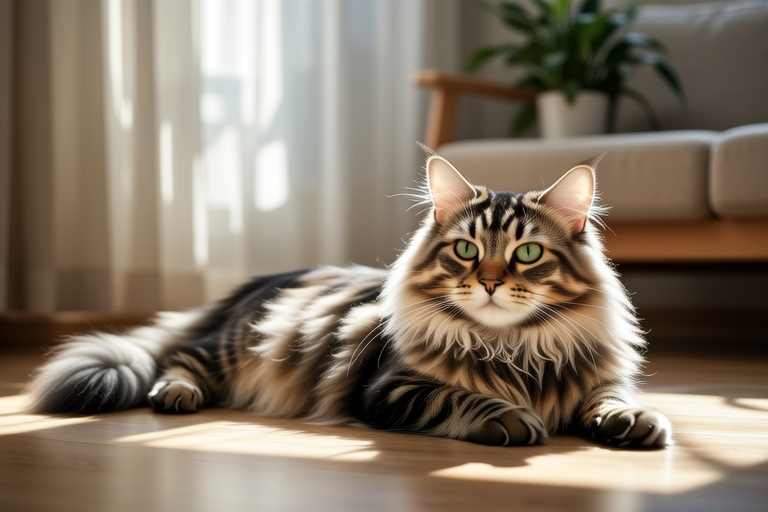
One of the most distinctive features of the Maine Coon is its large size. Males can weigh up to 18 pounds, while females typically range between 8 to 12 pounds. They have a robust build, broad chest, and long, bushy tails. Their eyes are almond-shaped and can come in various colors, including green, gold, or copper. The breed’s personality is equally impressive; they are known for their intelligence, curiosity, and friendly disposition, making them great family pets.
Size and Grooming Needs
Due to their large size, Maine Coons require ample space to move around comfortably. Providing them with a spacious living area and access to high perches will help them feel at home. Additionally, regular exercise is crucial for maintaining their physical and mental well-being. Interactive toys and play sessions can keep your Maine Coon engaged and prevent boredom.
Grooming is another important aspect of caring for a Maine Coon. Their thick, water-resistant coat requires weekly brushing to prevent matting and reduce shedding. During the shedding season, which typically occurs twice a year, more frequent brushing may be necessary. Regular nail trimming, ear cleaning, and dental care are also essential to maintain their overall health.
Dietary Requirements
A balanced diet is vital for the health and longevity of your Maine Coon. High-quality commercial cat food, either wet or dry, formulated for large-breed cats is recommended. Look for products that contain real meat as the primary ingredient and avoid those with fillers like corn or wheat. Consult your veterinarian to determine the appropriate portion sizes based on your cat’s age, weight, and activity level.
In addition to commercial food, you can offer occasional treats as rewards during training sessions or as part of interactive play. However, be mindful of the calorie count and avoid overfeeding, as obesity can lead to various health issues. Fresh water should always be available to keep your Maine Coon hydrated.
Health Concerns Specific to the Breed
While Maine Coons are generally healthy cats, they are prone to certain genetic conditions. One of the most common is hypertrophic cardiomyopathy (HCM), a heart disease that causes the walls of the heart to thicken. Early detection through regular veterinary check-ups and echocardiograms can improve the prognosis. Another condition to watch out for is hip dysplasia, a joint disorder that can cause pain and mobility issues. Genetic testing and responsible breeding practices can help minimize the risk.
Vaccinations and preventive care, such as flea and tick treatments, are also important for keeping your Maine Coon healthy. Regular visits to the vet can ensure early detection of any potential health problems and prompt treatment.
Behavioral Traits
Maine Coons are social animals that thrive on human interaction. They enjoy being part of the family and often follow their owners from room to room, seeking attention and companionship. Despite their large size, they are surprisingly agile and can leap onto high surfaces with ease. Their playful nature makes them excellent companions for children and other pets.
These cats are known for their problem-solving abilities and can learn tricks or respond to commands with minimal training. They are also vocal, often communicating with soft chirps or trills rather than loud meows. Their intelligence and curiosity make them engaging companions, always ready to explore new environments and engage in interactive play.
Training Tips
Training a Maine Coon can be a rewarding experience. Positive reinforcement techniques, such as clicker training or offering treats as rewards, work best for this breed. Start by teaching basic commands like ‘sit,’ ‘stay,’ and ‘come.’ Consistency and patience are key, as cats may take longer to learn compared to dogs.
Interactive toys and puzzles can also stimulate their minds and encourage learning. Consider introducing activities that challenge their problem-solving skills, such as finding hidden treats or navigating obstacle courses. Training sessions should be short and fun, lasting no more than 10-15 minutes at a time, to maintain your cat’s interest and enthusiasm.
Creating a Stimulating Environment
To ensure your Maine Coon remains active and mentally stimulated, create an enriching environment filled with opportunities for exploration and play. Provide scratching posts, climbing structures, and comfortable resting spots at various heights. Rotate toys regularly to prevent boredom and introduce new items periodically to keep things interesting.
Outdoor access can be beneficial for your cat’s physical and mental health, but it should be supervised or limited to a secure enclosure. If you prefer to keep your cat indoors, consider installing cat flaps or windowsills with bird feeders to provide a view of the outside world. Environmental enrichment, such as playing videos of birds or fish, can also enhance their sensory experiences.
The Unique Bond Between Owner and Cat
The bond between a Maine Coon and its owner is truly special. These cats form deep connections with their families, often seeking out physical contact and affection. Many owners describe their Maine Coons as ‘lap cats’ who enjoy cuddling and being petted. The trust and loyalty they exhibit towards their humans make them cherished members of the household.
One anecdote shared by many owners is the way their Maine Coons greet them at the door when they return home. Some cats even follow their owners around the house, providing constant companionship. This unique relationship fosters a sense of security and comfort for both the cat and the owner, creating a loving and supportive home environment.
Resources for Further Reading
For those interested in learning more about Maine Coons, there are numerous books, articles, and online communities dedicated to this fascinating breed. Some recommended titles include:
- Maine Coon Cats: A Complete Pet Owner’s Manual by Anitra Frazier
- The Maine Coon: Everything About History, Care, Nutrition, Breeding, and Behavior by David Taylor
- The Ultimate Maine Coon Companion by Karen L. Overall
Joining local or online Maine Coon clubs and forums can also provide valuable insights and support from fellow enthusiasts. These platforms offer a wealth of information, advice, and personal experiences that can enrich your understanding and enjoyment of owning a Maine Coon.
Owning a Maine Coon is a rewarding experience that comes with responsibilities. By understanding their unique needs and providing proper care, you can ensure a long and happy life for your gentle giant. Embrace the adventure of sharing your home with these magnificent creatures, and prepare to be captivated by their charm and companionship.
