Red-Eared Slider Care: Common Mistakes Beginners Should Avoid
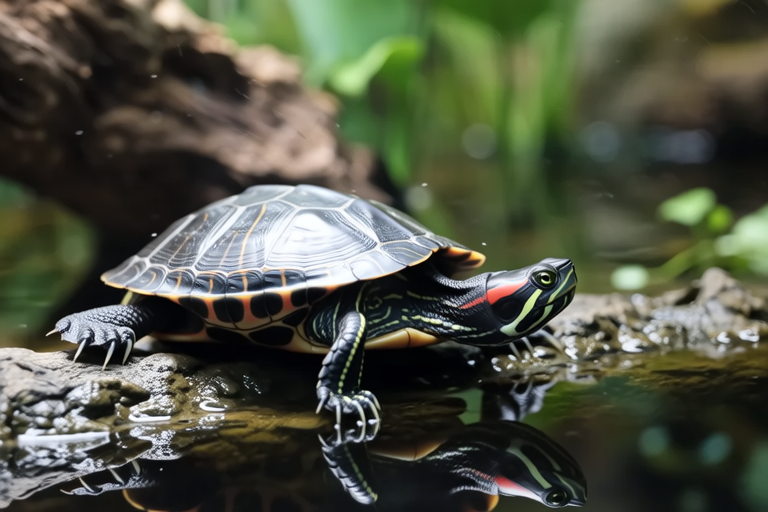
The red-eared slider (Trachemys scripta elegans) is one of the most popular pet turtles in the world. These semi-aquatic turtles are known for their distinctive red stripe behind each eye and their hardy nature, making them appealing to both novice and experienced reptile owners. However, the popularity of these turtles does not diminish the importance of understanding their specific needs. Proper care is essential to ensure the health and longevity of your red-eared slider. This guide aims to help new owners avoid common pitfalls and provide a comprehensive overview of the best practices in red-eared slider care.
Introduction
Red-eared sliders are beloved pets due to their vibrant appearance and relatively low maintenance requirements. However, their care demands more than just providing food and water. They require a balanced diet, appropriate housing, and a suitable environment that mimics their natural habitat. Understanding and addressing these needs is crucial for the well-being of your turtle. In this article, we will explore common mistakes beginners often make and offer practical advice on how to avoid them.
Common Mistakes Beginners Make
1. Incorrect Diet
One of the most frequent errors is offering an inappropriate diet. Red-eared sliders are omnivores but need a balanced diet rich in protein and vegetables. Feeding them exclusively on commercial turtle pellets or bread can lead to malnutrition and obesity. A varied diet including leafy greens, aquatic plants, and occasional insects or small fish is recommended.
2. Inadequate Habitat Size
Another mistake is providing a habitat that is too small. Red-eared sliders grow quickly and need ample space to swim and bask. A minimum tank size of 40 gallons is advised for a single adult turtle, with additional space required for each additional turtle. Insufficient space can cause stress and limit physical activity, which can affect their overall health.
3. Poor Water Quality Maintenance
Maintaining clean water is vital for red-eared sliders. Dirty water can lead to infections and other health issues. Regular water changes and the use of a reliable filtration system are necessary to keep the water clean and free from harmful bacteria.
4. Insufficient Basking Areas
Basking is essential for red-eared sliders as it helps regulate their body temperature and aids in digestion. Providing a large, stable basking platform that allows the turtle to completely dry off is crucial. The basking area should be easily accessible and placed under a UVB light to ensure they receive adequate exposure to ultraviolet radiation.
5. Lack of UVB Lighting
UVB lighting is necessary for calcium absorption and bone development. Without it, red-eared sliders can suffer from metabolic bone disease. Ensure the UVB light is positioned correctly and replaced regularly as directed by the manufacturer.
6. Overfeeding
Overfeeding can lead to obesity and other health problems. It’s important to feed red-eared sliders only as much as they can consume in 15 minutes, twice a week for adults. Juveniles may need more frequent feedings but should still be monitored carefully.
7. Neglecting Health Checks
Regular health checks are crucial for early detection of potential issues. Owners should learn to recognize signs of illness such as lethargy, loss of appetite, or unusual behavior. Consulting a veterinarian familiar with reptiles can provide guidance on maintaining good health.
8. Improper Temperature Regulation
Red-eared sliders require specific temperature ranges both in the water and on land. Water temperatures should be between 75-80°F (24-27°C), while the basking area should reach around 90°F (32°C). Using thermometers to monitor these temperatures ensures that the turtle remains comfortable and healthy.
9. Failure to Provide Hiding Spaces
Providing hiding spaces within the tank allows red-eared sliders to feel secure and reduces stress. Decorations like rocks, logs, or artificial plants can serve this purpose. Ensure any decorations are stable and safe to prevent injury.
10. Ignoring Social Needs
While red-eared sliders are generally solitary animals, they do benefit from social interaction. Spending time with your turtle and handling it gently can strengthen the bond between you and your pet. However, avoid overhandling as it can cause stress.
Tips for Setting Up a Healthy Environment
Creating a suitable environment for your red-eared slider involves several key components:
- Adequate Space: Ensure the tank is large enough to accommodate swimming and basking. Consider adding a second tank if space is limited.
- Water Filtration: Invest in a high-quality filter to maintain water clarity and reduce bacterial growth.
- UVB Lighting: Install a UVB lamp that provides sufficient coverage for the entire basking area.
- Temperature Control: Use heaters and thermostats to maintain consistent water and air temperatures.
- Hiding Spaces: Incorporate elements that allow your turtle to hide and feel secure.
Feeding Guidelines
Feeding your red-eared slider properly is crucial for its health. Here are some guidelines:
- Diet Composition: Offer a mix of commercial turtle pellets, fresh vegetables, and occasional live foods like crickets or earthworms.
- Frequency: Feed adults twice a week, reducing frequency as they age. Juveniles may need daily feedings.
- Portion Control: Feed only what your turtle can eat in 15 minutes to prevent overeating.
- Variety: Introduce a variety of foods to ensure a balanced intake of nutrients.
Regular Health Checks
Performing routine health checks can help catch potential issues early. Look for signs such as swollen eyes, discolored skin, or abnormal behavior. Regular visits to a reptile veterinarian can also provide peace of mind.
Conclusion
Caring for a red-eared slider requires attention to detail and commitment. By avoiding common mistakes and following best practices, you can ensure that your turtle lives a long and healthy life. Remember, if you encounter any issues or have concerns about your turtle’s health, do not hesitate to seek professional advice from a veterinarian experienced in reptile care. With proper care, your red-eared slider can be a rewarding and delightful companion for years to come.
