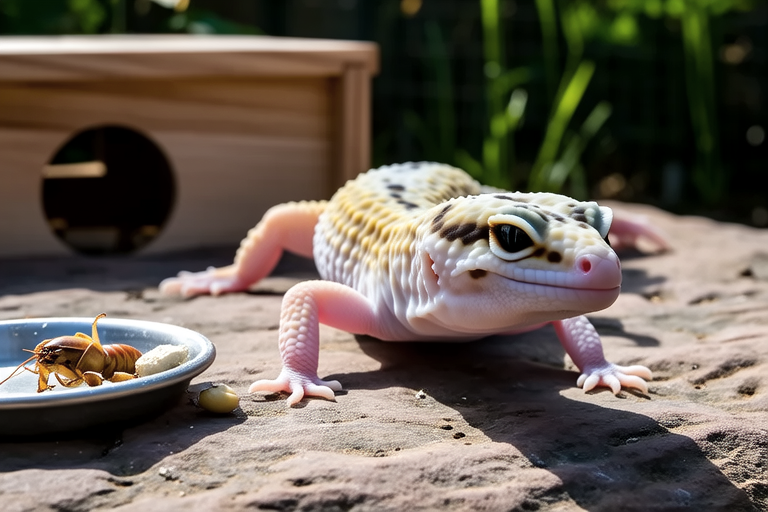
Leopard Gecko Diet Decoded: Feeding Tips for Healthy Growth
Welcome to the world of leopard gecko care! As a responsible owner, understanding your pet’s dietary needs is crucial for their health and longevity. This comprehensive guide will help you decode the complexities of a leopard gecko’s diet, ensuring that you provide the best nutrition for your scaly friend.
Nutritional Needs of Leopard Geckos
Leopard geckos require a balanced diet rich in essential nutrients to thrive. The primary components of their diet include proteins, fats, and carbohydrates, but they also need specific vitamins and minerals to maintain optimal health.
- Vitamin D3: Essential for calcium absorption and bone health.
- Calcium: Crucial for strong bones and muscle function.
- Vitamin A: Important for vision and immune system.
- Vitamin B Complex: Supports metabolism and energy production.
- Fat: Provides energy and helps in the absorption of fat-soluble vitamins.
A balanced diet ensures healthy growth, robust immune systems, and vibrant coloration. Neglecting these nutritional requirements can lead to various health issues, including metabolic bone disease (MBD), which results from insufficient calcium intake.
The Importance of a Balanced Diet
A well-balanced diet is the cornerstone of a leopard gecko’s health. It supports proper growth, enhances vitality, and prevents diseases. By providing the right mix of nutrients, you enable your gecko to reach its full potential, both physically and mentally.
Leopard geckos are insectivores, meaning their diet primarily consists of live insects. However, it’s important to offer a variety of prey items to ensure a broad spectrum of nutrients. Insects should be gut-loaded or dusted with supplements to enhance their nutritional value.
Appropriate Food Sources
Leopard geckos thrive on a diverse diet of insects, with crickets being the most commonly fed. Other suitable options include dubia roaches, waxworms, mealworms, and silkworms. Each type of insect offers unique nutritional benefits:
- Crickets: High in protein and calcium.
- Dubia Roaches: Rich in nutrients and low in chitin, making them easier to digest.
- Waxworms: High in fat and should be offered sparingly due to their caloric density.
- Mealworms: Good source of protein but high in chitin, so they should be offered less frequently.
- Silkworms: Excellent source of protein and easy to digest.
Occasionally, leopard geckos may enjoy small amounts of leafy greens like collard greens, mustard greens, and dandelion greens. These should be finely chopped and sprinkled with calcium powder before offering.
Feeding Frequency and Quantity
The amount and frequency of feeding depend on the age and activity level of your leopard gecko. Here’s a general guideline:
| Age | Frequency | Quantity |
|---|---|---|
| Hatchling (0-3 months) | Daily | 5-8 appropriately sized crickets |
| Juvenile (3-9 months) | Every other day | |
| Adult (over 9 months) | Every other day | 6-10 appropriately sized crickets |
It’s essential to monitor your gecko’s body condition and adjust feeding accordingly. Overfeeding can lead to obesity, while underfeeding can result in malnutrition.
Common Feeding Mistakes and Their Consequences
Despite best intentions, many owners make common feeding errors that can harm their geckos:
- Feeding inappropriate insects: Offering insects like fireflies, stinkbugs, or wasps can be toxic and even fatal.
- Underdusting: Failing to dust insects with necessary supplements can lead to deficiencies.
- Overfeeding: Excessive feeding can cause obesity, leading to reduced mobility and increased risk of metabolic bone disease.
- Inconsistent feeding: Irregular feeding schedules can stress your gecko and disrupt its natural eating habits.
To avoid these pitfalls, always research the safety of any new food item before introducing it to your gecko’s diet. Regularly consult with a veterinarian specializing in reptiles to ensure your feeding practices are optimal.
Maintaining Hygiene and Safety in the Feeding Environment
Keeping your gecko’s feeding area clean and safe is paramount to their well-being. Follow these guidelines:
- Use clean feeding tools: Always wash and sterilize feeding tools after each use to prevent contamination.
- Remove uneaten food: Remove any uneaten insects promptly to prevent them from biting or stressing your gecko.
- Provide fresh water: Ensure your gecko has access to clean, fresh water daily.
- Monitor substrate: Use a safe substrate that won’t be ingested accidentally, and check regularly for signs of contamination.
By adhering to these practices, you create a safe and hygienic environment that promotes your gecko’s health and happiness.
Conclusion
Understanding and implementing the correct feeding regimen for your leopard gecko is vital for their health and longevity. By providing a balanced diet rich in essential nutrients, monitoring feeding frequency and quantity, and maintaining hygiene in their environment, you ensure your gecko thrives. With this knowledge, you’re well-equipped to provide the best care possible, fostering a happy and healthy relationship with your scaly companion.
