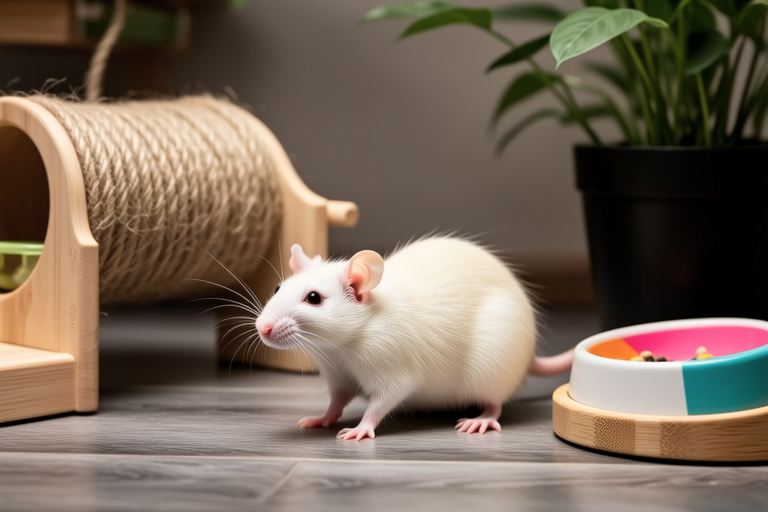
How to Turn Your Home Into a Rat Wonderland: Tips for Fancy Rat Owners
Welcome to the fascinating world of fancy rats! These intelligent, social, and affectionate creatures make wonderful pets. If you’re a new or seasoned rat owner, this guide will help you create a delightful home environment that ensures your rats’ happiness and well-being.
Essential Cage Setup
The first step in creating a rat wonderland is setting up a spacious and comfortable living space. Rats need ample room to move around, explore, and play. A cage with a minimum size of 36 inches long, 18 inches wide, and 18 inches high per rat is recommended. Bigger is always better!
Choose a cage with solid flooring and good ventilation. Wire cages can be dangerous as rats can squeeze through small gaps or get their tails caught. Multilevel cages are ideal as they provide more space for climbing and playing.
Incorporate ramps, shelves, and hammocks into the cage setup. Rats love to climb and explore different heights. Ensure all structures are securely attached to prevent accidents. Place the cage away from direct sunlight and drafts to maintain a comfortable temperature.
Suitable Bedding Materials
Choosing the right bedding material is crucial for your rats’ health and comfort. Avoid cedar and pine shavings, which contain aromatic oils harmful to rodents. Instead, opt for aspen shavings, recycled paper products, or soft textiles like fleece liners. These materials are safer and more comfortable for your rats.
Change the bedding at least once a week to maintain cleanliness and reduce odors. This frequency may increase depending on the number of rats and their activity levels. Proper bedding helps prevent respiratory issues and keeps your rats’ living area fresh and inviting.
Safe Toys and Enrichment Items
Rats are highly intelligent and curious animals, so providing them with stimulating toys and activities is essential. Introduce chew toys made from untreated wood or cardboard to keep their teeth healthy and minds engaged. Puzzle feeders, tunnels, and hanging balls offer additional mental stimulation.
Rotate toys periodically to prevent boredom and encourage exploration. Hide treats within the cage to promote foraging behavior, mimicking their natural hunting instincts. Remember, rats are excellent escape artists, so ensure all toys and accessories are secure and safe.
Balanced Diet Recommendations
A nutritious diet is vital for your rats’ overall health and longevity. Provide a mix of high-quality commercial rat food, fresh fruits, vegetables, and protein sources. Offer a variety of foods to meet their nutritional needs and prevent picky eating habits.
Leafy greens, carrots, and apples are great choices for fresh produce. Protein-rich foods like scrambled eggs, cooked chicken, and mealworms can be offered in moderation. Always introduce new foods gradually to avoid digestive upset.
Avoid feeding your rats sugary treats, chocolate, caffeine, or dairy products, as these can cause health problems. Fresh water should be available at all times. Consider investing in a water bottle designed specifically for rodents to ensure constant access.
Tips for Maintaining Hygiene
Maintaining proper hygiene is key to keeping your rats healthy and happy. Regular cleaning of the cage and bedding is necessary to prevent the buildup of bacteria and odors. Clean the cage thoroughly every two weeks, removing all bedding and scrubbing the surfaces with mild soap and warm water.
Wash food bowls and water bottles daily to prevent the growth of harmful bacteria. Disinfect toys and accessories occasionally using a pet-safe disinfectant. Establish a routine cleaning schedule and stick to it to minimize stress on your rats.
Encourage your rats to use a litter box to help manage waste and make cleaning easier. Place the litter box in a quiet corner of the cage and line it with absorbent bedding. Train your rats to use the litter box by placing their droppings inside after cleaning the cage.
Basic Healthcare Needs
Regular veterinary check-ups are essential for maintaining your rats’ health. Schedule annual visits to a veterinarian who specializes in exotic animals. During these appointments, discuss any concerns or changes in your rats’ behavior or appearance.
Vaccinations are not typically required for pet rats, but your vet may recommend preventative treatments for parasites or other common ailments. Monitor your rats for signs of illness, such as lethargy, loss of appetite, or discharge from the eyes or nose. Early intervention can make a significant difference in treatment outcomes.
Provide a warm, draft-free sleeping area with soft bedding. Rats are susceptible to cold temperatures, so ensure their environment remains consistently warm. Maintain a temperature range between 65°F and 75°F (18°C to 24°C) to promote optimal health.
Advice on Bonding and Training Techniques
Bonding with your rats is a rewarding experience that strengthens the human-animal bond. Spend time interacting with your rats daily to build trust and familiarity. Approach them calmly and gently, allowing them to come to you at their own pace.
Use positive reinforcement techniques, such as offering treats or praise, to encourage desired behaviors. Teach simple commands like “come,” “sit,” or “stay” using consistent hand signals and verbal cues. Patience and consistency are key when training your rats.
Create a safe and stimulating environment outside the cage for supervised playtime. Use a rat-proofed room or exercise pen to prevent accidents. Provide tunnels, toys, and hiding spots to keep your rats entertained and engaged during play sessions.
By following these tips, you’ll create a joyful and enriching environment for your fancy rats. Remember, each rat is unique, so take the time to understand their individual preferences and needs. With love, care, and attention, you’ll enjoy a wonderful relationship with your furry companions.
