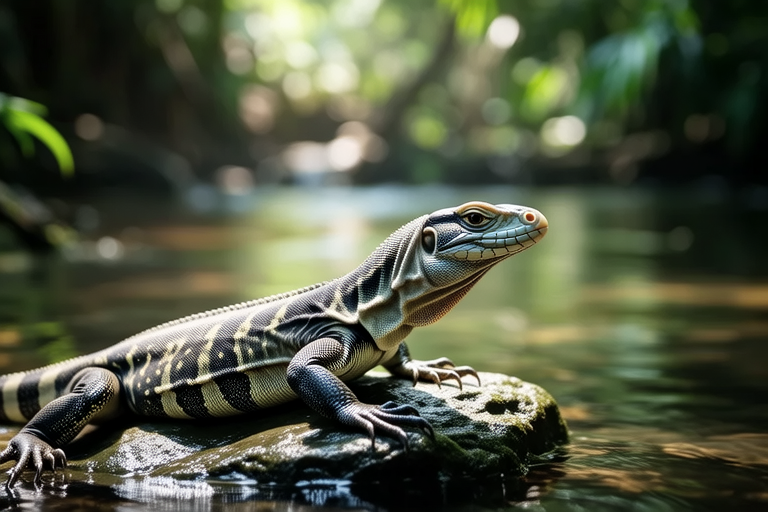
The Ultimate Guide to Caring for Your Majestic Water Monitor
Introduction
Welcome to the ultimate guide to caring for your majestic water monitor! This comprehensive resource is designed to provide you with all the information you need to ensure the health and happiness of your water monitor. Whether you’re a first-time owner or an experienced reptile enthusiast, this guide will cover everything from setting up the perfect habitat to understanding the dietary needs and health care requirements of your water monitor.
Habitat Setup
Choosing the Right Enclosure
A water monitor requires a large enclosure that can accommodate its size and active lifestyle. The enclosure should be at least twice the length of the monitor’s body, providing ample space for movement and exploration. For a juvenile water monitor, a 4 x 2 x 2-foot tank might suffice, but as they grow, larger enclosures will be necessary.
For adult monitors, consider a custom-built enclosure or a large commercial enclosure that can house them comfortably. A 6 x 3 x 3-foot enclosure is a good starting point for adults, but many owners opt for even larger setups to ensure their pets have enough room to thrive.
Temperature and Humidity
Maintaining the right temperature and humidity levels is crucial for the health of your water monitor. The enclosure should have a temperature gradient, with one end being warmer than the other. Use a heat lamp or under-tank heater to create a basking spot that reaches around 95-100°F (35-38°C). The cooler side should be around 75-85°F (24-29°C).
Humidity levels should be kept between 60% and 80%. This can be achieved by misting the enclosure regularly, using a humidifier, or incorporating a water feature like a waterfall or pond. Ensure proper ventilation to prevent mold growth and respiratory issues.
Substrate and Decorations
The substrate for a water monitor’s enclosure should be safe, easy to clean, and capable of retaining moisture. Reptile carpet or paper towels are popular choices for juveniles due to their ease of cleaning and low risk of impaction. As your monitor grows, you can switch to a more natural substrate like cypress mulch or coconut fiber, which helps maintain humidity levels.
Incorporate various decorations such as branches, rocks, and hides to stimulate your monitor’s natural behaviors. Ensure that any objects placed in the enclosure are secure and cannot topple over, preventing injury to your pet.
Water Feature
A water feature is essential for a water monitor’s enclosure. Provide a large water dish or pool where your monitor can swim, submerge itself, and cool off. The water should be deep enough for your monitor to fully submerge, typically around 18 inches deep for adults. Regularly clean the water to maintain hygiene and prevent bacterial growth.
Dietary Needs
Feeding Schedule
Water monitors are carnivorous and require a varied diet to meet their nutritional needs. Feed juveniles daily, while adults can be fed every two to three days. Offer a mix of live prey items such as rodents, insects, and feeder fish. Prey items should be appropriately sized for your monitor, with the rule of thumb being no larger than the width of the monitor’s head.
Nutritional Requirements
To ensure your water monitor receives all the necessary nutrients, supplement its diet with calcium and vitamin D3. Dust prey items with these supplements before feeding, especially for juveniles who are still growing. Additionally, offer occasional treats like eggs, small birds, or cooked chicken to add variety to their diet.
Safe Feeding Practices
Always handle prey items carefully to avoid injury to yourself or your monitor. Use tongs or forceps to place food items in the enclosure, keeping your hands away from the monitor’s powerful jaws. Avoid feeding your monitor by hand to prevent accidental bites.
Health Care
Regular Checkups
Schedule regular checkups with a veterinarian specializing in exotic animals to monitor your water monitor’s health. These visits allow for early detection and treatment of potential health issues. During these checkups, the vet will examine your monitor for signs of parasites, infections, or other health problems.
Common Health Issues
Some common health issues that water monitors may face include respiratory infections, parasites, and metabolic bone disease. Respiratory infections can be indicated by labored breathing, nasal discharge, or lethargy. Parasites can cause weight loss, diarrhea, and lethargy. Metabolic bone disease, often caused by a lack of calcium or vitamin D3, can lead to soft bones and deformities.
If you notice any signs of illness, consult your veterinarian immediately. Early intervention is key to successful treatment.
Vaccinations and Preventive Care
While water monitors do not require vaccinations, preventive care is essential. Keep the enclosure clean to minimize the risk of infections and parasites. Regularly inspect your monitor for any signs of injury or illness, and address any issues promptly.
Behavioral Insights
Understanding Your Monitor’s Behavior
Water monitors are intelligent and curious creatures with unique behaviors. They are primarily diurnal, meaning they are most active during the day. They spend much of their time swimming, climbing, and exploring their environment. Understanding these behaviors can help you create a stimulating and enriching habitat for your monitor.
Social Interaction
While water monitors are generally solitary animals, they can develop bonds with their owners through positive interactions. However, it’s important to respect their boundaries and not force interaction if your monitor shows signs of discomfort. Gradually build trust through consistent, gentle handling and rewarding behaviors with treats.
Environmental Enrichment
To keep your water monitor mentally stimulated, provide environmental enrichment such as hiding spots, climbing structures, and interactive toys. Rotate these items periodically to prevent boredom and encourage exploration. This enrichment can also help reduce stress and promote overall well-being.
Tips for Bonding with Your Water Monitor
Handling Techniques
When handling your water monitor, always approach it calmly and confidently. Support its body firmly but gently, ensuring that its limbs and tail are secure. Start with short handling sessions and gradually increase the duration as your monitor becomes more comfortable. Always supervise your monitor when handling to prevent accidents.
Positive Reinforcement
Use positive reinforcement techniques to encourage desirable behaviors. Reward your monitor with treats or praise when it displays calm behavior during handling or feeding. Consistent positive reinforcement can help build a trusting relationship between you and your monitor.
Respecting Boundaries
It’s important to respect your water monitor’s boundaries and not push for interaction if it shows signs of discomfort. Some monitors may never become fully tame, and that’s okay. Focus on providing a safe, enriching environment and allowing your monitor to interact with you on its own terms.
Conclusion
Caring for a water monitor is a rewarding experience that requires dedication and commitment. By providing a suitable habitat, meeting their dietary needs, and understanding their behaviors, you can ensure the health and happiness of your majestic water monitor. Remember to consult with veterinarians and other experienced owners for additional advice and support. With proper care, your water monitor can live a long and fulfilling life as part of your family.
