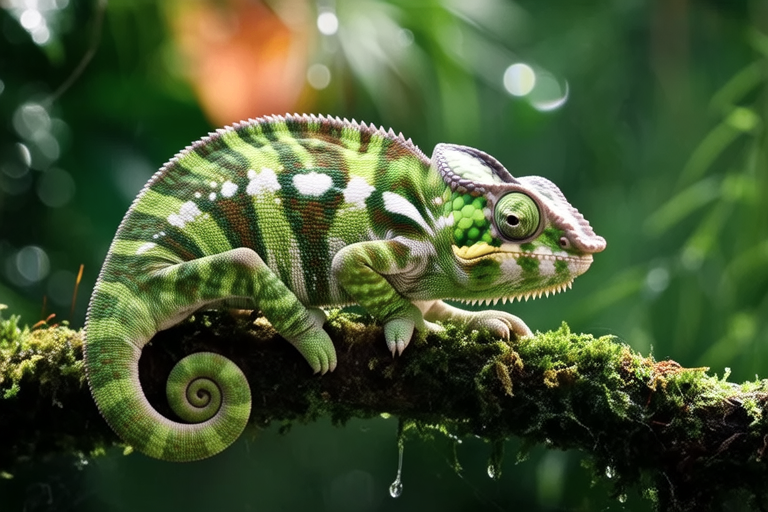
7 Secrets Every Chameleon Owner Should Know
Welcome to the fascinating world of chameleons! These captivating creatures have intrigued people for centuries with their unique abilities to change color and blend into their environment. As a chameleon owner, you’re about to embark on an exciting journey filled with learning and discovery. This article will reveal seven secrets that every chameleon owner should know to ensure your pet’s health, happiness, and longevity. Let’s dive in!
Secret 1: Optimal Habitat Setup
The first secret to successful chameleon ownership is creating the perfect habitat. A well-designed enclosure mimics the natural environment of these arboreal lizards, providing them with the space and conditions they need to thrive.
Size Matters: Chameleons require ample space to move around and climb. The general rule is to provide at least 24 inches of height and width for juveniles, and double that for adults. A larger enclosure ensures they can stretch out fully and engage in natural behaviors.
Branches and Plants: Chameleons love climbing, so include plenty of sturdy branches of varying diameters. Live plants, such as Ficus benjamina (weeping fig) and Schefflera arboricola (umbrella tree), offer hiding spots, climbing opportunities, and a source of fresh leaves.
Substrate: Avoid substrates that can be ingested accidentally, as they may cause impaction. Instead, opt for a bare-bottomed enclosure or use a layer of coconut fiber or moss. This prevents ingestion and simplifies cleaning.
Challenge: Take a look at your chameleon’s current setup. Is it spacious enough? Are there enough climbing opportunities? Consider making adjustments to better suit your pet’s needs.
Secret 2: Dietary Needs
Chameleons are insectivores, meaning their diet consists mainly of insects. Providing a balanced diet rich in nutrients is crucial for their overall health.
Variety is Key: Feed a variety of insects such as crickets, dubia roaches, silkworms, and hornworms. Each type offers different nutritional benefits. Dust insects with calcium and multivitamin supplements to prevent deficiencies.
Feeding Frequency: Juveniles require daily feedings, while adults can be fed every other day. Offer insects that are no larger than the space between the chameleon’s eyes to avoid choking hazards.
Calcium and Vitamin D3: Ensure your chameleon gets adequate calcium and vitamin D3 through supplements and UVB lighting. These nutrients are vital for bone health and preventing metabolic bone disease.
Question: Do you currently offer a variety of insects? How often do you feed your chameleon?
Secret 3: Lighting Requirements
Proper lighting is essential for chameleons to maintain their health and well-being. It provides the necessary heat and UVB radiation required for digestion, calcium metabolism, and overall vitality.
UVB Lighting: Install a high-quality UVB light, ensuring it covers at least 50% of the enclosure. Replace the bulb every six months, even if it still appears functional, to maintain optimal output.
Basking Spot: Position a heat lamp to create a basking spot around 90-95°F (32-35°C). This allows your chameleon to thermoregulate, moving between warmer and cooler areas within the enclosure.
Day/Night Cycle: Mimic natural day-night cycles by turning off lights at night, allowing your chameleon to rest and sleep. Provide a dim red light if you need to observe them at night without disturbing their sleep.
Interactive Element: Try adjusting the lighting schedule in your chameleon’s enclosure. Observe how they react to changes in temperature and light intensity.
Secret 4: Hydration Methods
Hydration is critical for chameleons, as they obtain most of their water through misting and drinking droplets from leaves. Ensuring they stay hydrated helps maintain their overall health.
Misting: Mist the enclosure two to three times a day, especially in the morning and evening. This creates a humid environment and provides water droplets for your chameleon to drink.
Drip System: Install a drip system that slowly drips water onto branches and leaves. This simulates natural rain patterns and encourages drinking behavior.
Bowls: While some chameleons may drink from bowls, they are not always reliable. It’s best to rely on misting and dripping systems for consistent hydration.
Challenge: Experiment with different misting and dripping techniques to find what works best for your chameleon. Keep track of their drinking habits to ensure they stay hydrated.
Secret 5: Common Health Issues
Like all pets, chameleons can face various health issues. Being aware of these potential problems and knowing how to address them can help you provide the best care possible.
Metabolic Bone Disease (MBD): One of the most common health issues in chameleons, MBD results from calcium and vitamin D3 deficiencies. Symptoms include lethargy, weak limbs, and difficulty climbing. Prevention involves proper diet, UVB lighting, and supplementation.
Respiratory Infections: Chameleons are susceptible to respiratory infections due to improper humidity levels or poor ventilation. Signs include wheezing, nasal discharge, and labored breathing. Maintain appropriate humidity and ensure good air circulation to prevent these infections.
Parasites: Parasites can cause weight loss, diarrhea, and lethargy. Regular veterinary check-ups and proper hygiene practices can help detect and treat parasites early.
Question: Have you noticed any signs of illness in your chameleon? If so, when was the last time you visited a veterinarian?
Secret 6: Behavioral Insights
Understanding chameleon behavior can help you provide a more enriching environment and strengthen the bond between you and your pet.
Solitary Creatures: Chameleons are solitary animals and should be housed individually to avoid stress and aggression. They are territorial and may become stressed when housed with others.
Color Changes: Chameleons change color for various reasons, including communication, temperature regulation, and mood. Learning to interpret these signals can deepen your understanding of your chameleon’s emotional state.
Stress Indicators: Be aware of signs of stress, such as rapid head bobbing, mouth gaping, and darkening coloration. These behaviors indicate discomfort or fear. Address the underlying cause to reduce stress.
Interactive Element: Spend time observing your chameleon’s behavior. Note any patterns or triggers for color changes or stress indicators.
Secret 7: Enrichment Activities
Providing mental and physical stimulation is essential for keeping your chameleon engaged and healthy. Enrichment activities can enhance their quality of life and promote natural behaviors.
Foraging: Hide food in the enclosure to encourage foraging behavior. Place insects under leaves or in crevices to mimic hunting in the wild.
Shelter: Offer multiple hiding spots throughout the enclosure. Chameleons need places to retreat and feel secure. This can be achieved with live plants, artificial caves, or cork bark hides.
Exploration: Rotate branches and decorations periodically to keep the environment stimulating. Introduce new items gradually to allow your chameleon to explore and adapt.
Challenge: Create a foraging game for your chameleon. Hide insects in different locations and observe how long it takes them to find their meal.
In conclusion, owning a chameleon is a rewarding experience that requires dedication and knowledge. By following these seven secrets, you’ll be well on your way to providing a happy and healthy home for your scaly friend. Remember, each chameleon is unique, so pay attention to their individual needs and adjust your care accordingly. Happy chameleon keeping!
