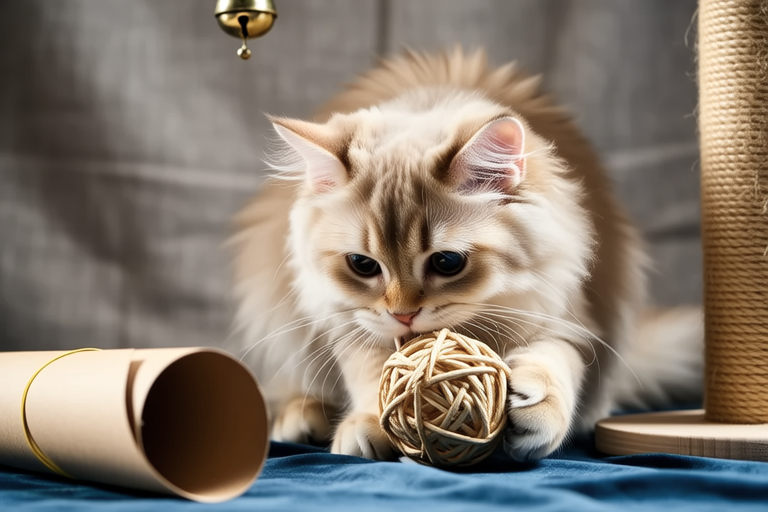
The Ultimate Guide to Chinchilla Toys That Keep Them Occupied
Chinchillas are small, adorable creatures known for their soft fur and playful nature. To keep them healthy and happy, it’s essential to provide a stimulating environment with a variety of toys that cater to both their physical and mental well-being. This guide will explore different types of chinchilla toys, their benefits, how to select appropriate toys based on your pet’s behavior and needs, and tips for maintaining and rotating toys to ensure continuous engagement.
Understanding Chinchilla Behavior and Needs
Before diving into specific toy recommendations, it’s crucial to understand what makes chinchillas tick. These nocturnal rodents are naturally curious and active, spending most of their waking hours exploring, chewing, and playing. Their teeth grow continuously, so they need something to gnaw on to prevent overgrowth. Additionally, chinchillas thrive in environments that mimic their natural habitat, which includes plenty of space to run, climb, and hide.
Variety of Chinchilla Toys
Chewing Toys
Chinchillas have a strong instinct to chew, which is why providing safe and durable chewing toys is essential. Wooden blocks and sticks, made from untreated wood, are excellent choices as they help wear down their ever-growing teeth while providing entertainment. Willow balls and branches are also great options, offering both chewing surfaces and opportunities for manipulation. Avoid toys made from toxic materials such as plastic or treated woods, as these can be harmful if ingested.
Interactive Toys
To keep your chinchilla mentally stimulated, consider interactive toys that require problem-solving skills. Puzzle feeders, for instance, challenge your pet to retrieve treats by moving parts or turning wheels. These toys not only provide mental exercise but also encourage foraging behaviors, which are natural for chinchillas. Other interactive toys include tunnels and bridges that allow your pet to explore new spaces within its enclosure.
Hideouts and Shelters
Chinchillas are social animals that enjoy hiding and nesting. Providing multiple hideouts and shelters within the cage allows your pet to retreat when feeling overwhelmed or simply take a nap. Cardboard boxes, cloth pouches, and wooden huts are all suitable options. Ensure that any hideout you choose has an entrance large enough for your chinchilla to enter comfortably but not too big to fit multiple chinchillas simultaneously if you own more than one.
Grooming Toys
In addition to regular dust baths, chinchillas benefit from grooming toys that promote self-grooming and social interaction. Mirror toys, for example, stimulate your pet’s curiosity and encourage play. Soft brushes designed specifically for chinchillas can also be used during bonding sessions to strengthen the bond between you and your pet.
Selecting Appropriate Toys Based on Behavior and Needs
When choosing toys for your chinchilla, consider its individual preferences and habits. Some chinchillas may prefer quiet activities like chewing on wooden sticks, while others might enjoy more dynamic play involving running through tunnels. Observe your pet’s behavior to determine which types of toys it gravitates towards and adjust accordingly.
If your chinchilla exhibits signs of boredom or stress, such as excessive chewing on cage bars or pacing, introducing new toys could help alleviate these behaviors. Conversely, if your pet seems overly anxious around certain objects, avoid those items and opt for alternatives that better suit its temperament.
DIY Toy Options
Creating homemade toys can be both cost-effective and rewarding. Simple DIY projects include crafting paper rolls into tubes for tunneling or wrapping cardboard boxes with fabric scraps for added texture. You can also repurpose household items like clean toilet paper rolls stuffed with hay or shredded paper for additional enrichment.
However, when making DIY toys, always prioritize safety. Use non-toxic materials free from sharp edges or chemicals that could harm your chinchilla. Before introducing any new item into the cage, inspect it thoroughly to ensure there are no loose threads, small parts, or other potential hazards.
Safety Considerations When Choosing or Making Toys
While selecting toys for your chinchilla, always prioritize safety above all else. Avoid anything containing small parts that could pose choking risks or materials that might splinter easily under pressure. Opt instead for sturdy constructions designed explicitly for small mammals.
Additionally, regularly check all toys for wear and tear. Replace damaged items promptly to prevent accidents. Rotate toys periodically to maintain interest levels and prevent overexposure to any single object.
Maintaining and Rotating Toys
To keep your chinchilla engaged, regularly rotate its toys every few weeks. This practice helps prevent boredom and keeps playtime exciting. Introduce new toys gradually, allowing your pet time to acclimate before adding another novelty.
Proper maintenance ensures longevity and cleanliness. Clean toys regularly using mild soap and water, then rinse thoroughly and dry completely before reintroducing them into the enclosure. For plush toys, spot clean as needed or replace once they become worn out.
Conclusion
Providing a diverse array of toys tailored to your chinchilla’s unique personality and requirements enhances its quality of life significantly. By understanding what motivates your pet and offering appropriate stimulation through play, you contribute positively to its overall happiness and health. Remember always to prioritize safety and maintain a balanced approach to toy selection and rotation.
