How Clownfish Became Internet Sensations and Captured Our Hearts
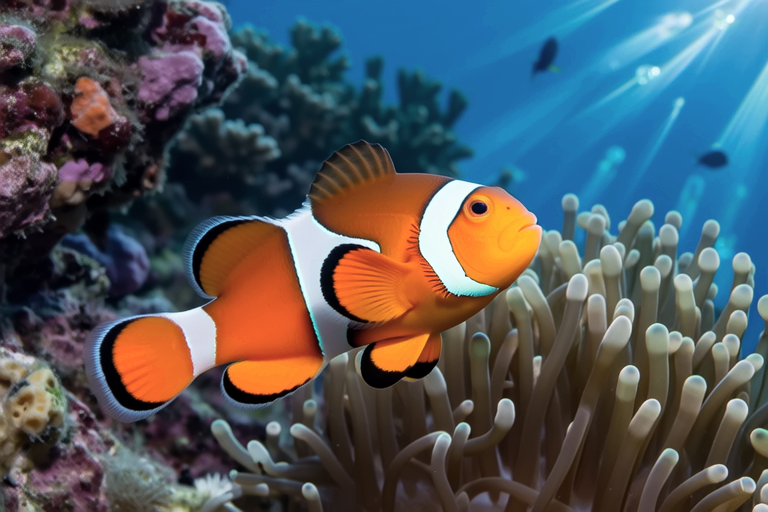
The clownfish, a small but vibrant inhabitant of the world’s tropical oceans, has captured the hearts of millions worldwide. These fish, known for their striking orange and white stripes and their fearless demeanor, are found primarily in the warm waters of the Indo-Pacific region. They are most commonly associated with the Great Barrier Reef, where they live among the tentacles of sea anemones. Their natural habitat provides them with both shelter and sustenance, making them a fascinating subject for both marine biologists and casual observers alike.
Clownfish, scientifically known as Amphiprioninae, belong to a family of marine fish that includes about 30 different species. They are generally small, reaching lengths of up to seven inches, and are easily recognizable by their distinct patterns. The most well-known species is the orange clownfish (Amphiprion percula), which was featured in the movie Finding Nemo . This film played a significant role in catapulting clownfish into the spotlight, turning them into internet sensations.
Their natural behavior is equally intriguing. Clownfish are highly territorial and form monogamous pairs. They are also known for their ability to change sex, starting life as males and transitioning to females if needed within their group. This unique trait adds another layer of fascination to their lives. Additionally, their symbiotic relationship with sea anemones is one of the most studied and admired in the animal kingdom. Clownfish and sea anemones engage in a mutually beneficial partnership, where the fish are protected from predators by the stinging tentacles of the anemone, while the anemone benefits from the fish’s waste products, which provide nutrients.
The role of popular media in boosting the internet presence of clownfish cannot be overstated. The 2003 animated film Finding Nemo brought clownfish to the forefront of public consciousness. The movie’s protagonist, Marlin, and his son Nemo, became household names, and their journey through the ocean sparked an interest in these tiny fish. The film’s success led to an explosion of interest in clownfish, with many people eager to learn more about them. This increased attention also translated into higher search rates for clownfish-related topics online, further cementing their status as internet sensations.
Scientifically, the symbiotic relationship between clownfish and sea anemones is a marvel. Sea anemones are predatory animals that use their tentacles to catch prey and inject toxins to immobilize them. However, clownfish have developed a protective mucus layer that allows them to swim freely among the anemone’s tentacles without being harmed. In return, the clownfish help to lure prey into the anemone’s reach and keep it clean by eating any dead tentacles or parasites. This relationship is not only crucial for the survival of both species but also serves as a prime example of the delicate balance within marine ecosystems.
Social media platforms have played a pivotal role in the rise of clownfish to internet fame. Platforms like YouTube, Instagram, and TikTok have become breeding grounds for viral content featuring these charming fish. Videos showcasing their antics, such as swimming through anemones or performing tricks, have garnered millions of views. One particularly popular video shows a clownfish navigating through a maze of sea anemones, demonstrating its agility and intelligence. Another viral clip features a clownfish playing hide-and-seek with its anemone, highlighting the playful nature of these creatures. These clips not only entertain but also educate viewers about the complexity of marine life.
The impact of clownfish’s popularity on marine conservation awareness has been profound. As more people become aware of these fish and their environment, there is a growing interest in protecting the coral reefs where they live. Many organizations have used the internet sensation surrounding clownfish to raise funds and awareness for marine conservation efforts. Educational campaigns, often leveraging the charm of clownfish, encourage responsible tourism and sustainable fishing practices. This increased awareness can lead to better policies and management strategies for preserving marine biodiversity.
However, the rise in popularity has also had some negative consequences, particularly in the aquarium trade. The demand for clownfish has surged, leading to overfishing in certain areas. This has prompted some countries to regulate the trade of these fish, aiming to prevent the depletion of wild populations. Responsible aquaculture practices have emerged as a solution, with many breeders now raising clownfish in captivity to meet the demand without harming wild populations. It is crucial for consumers to ensure they are purchasing sustainably sourced clownfish to support ethical practices.
In conclusion, clownfish have indeed become internet sensations and captured our hearts. From their natural habitat and behaviors to their starring roles in popular media, these fish have charmed audiences around the world. Their symbiotic relationship with sea anemones showcases the beauty and complexity of marine ecosystems. Social media has played a significant role in spreading awareness and admiration for these fish, contributing to increased marine conservation efforts. While the surge in popularity presents challenges, especially in the aquarium trade, it also offers opportunities for education and sustainable practices. By continuing to celebrate and protect clownfish, we can ensure their continued presence in our oceans and our hearts.
